Imagine waking up to the sound of a gently flowing stream, feeling the cool water on your skin as you dip your hand into the clear, refreshing pool. It’s a serene and peaceful feeling, one that connects us to nature and reminds us of the importance of our most precious resource: water.
But in the hustle and bustle of daily life, it’s easy to forget about the true value of water. We take it for granted as it flows effortlessly from our taps, never thinking about the countless gallons that are wasted each day. However, by embracing water conservation practices, we can not only protect the environment but also save big bucks on our monthly bills.
Water conservation is not just about being environmentally responsible; it’s also a smart financial decision. By making simple changes in our everyday lives, we can significantly decrease the amount of water we consume and lower our expenses. From using water-saving devices to repairing leaks and reevaluating our appliance usage, there are numerous ways to conserve water and save money at the same time.
Join me on a journey to explore the world of water conservation and discover practical tips and strategies that will help you maximize your savings. Let’s dive in together and unlock the potential of water conservation as a way to protect our planet and our wallets.
How Much Water Do My Appliances Use?
The amount of water used by household appliances can vary depending on their manufacturing date. It’s essential to understand the water consumption of your appliances to identify areas where you can reduce usage and save money.
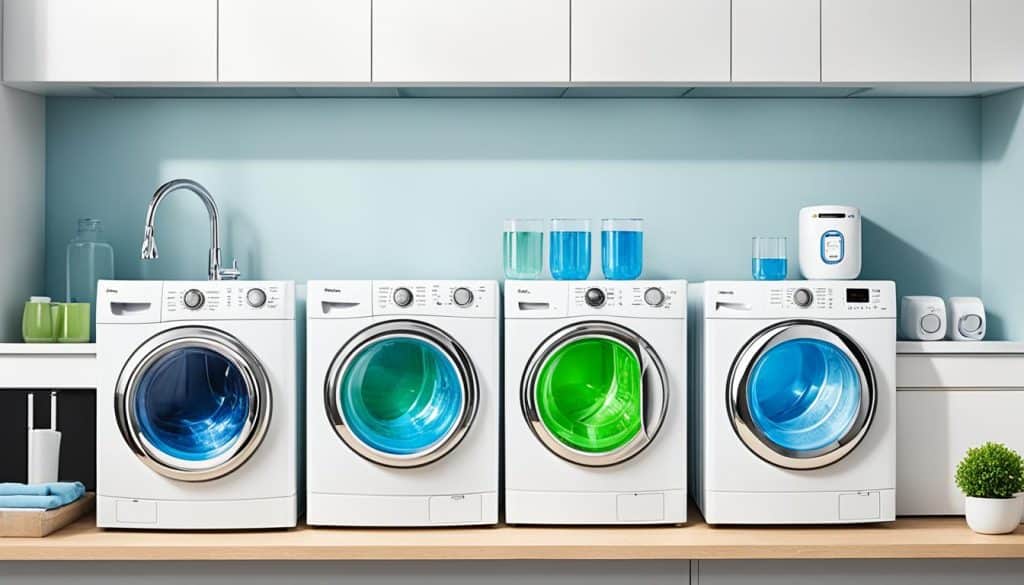
Let’s take toilets as an example. Older models consume up to 7 gallons per flush, while newer ones use only 1.6 gallons. This significant reduction in water usage can make a significant impact on your overall consumption and expenses.
Showerheads, faucets, and dishwashers also have different water consumption rates. By being aware of these variations, you can make informed decisions about water-saving measures and prioritize areas where the usage is higher.
Understanding how much water your appliances use empowers you to take action and implement measures to conserve water effectively. In the following sections, we will discuss how to calculate your family’s current water use and explore the benefits of water-conserving devices.
Calculate Your Family’s Current Daily Water Use
To accurately assess your water usage, it’s essential to calculate the daily water consumption of your household appliances. By filling in specific data related to your household, you can determine the total gallons of water your appliances typically use each day. This calculation will provide you with a baseline for measuring your water conservation efforts.
To get started, consider the following factors:
- The number of household members: Determine the number of people in your family who consume water daily. This includes everyone from children to adults.
- Flushing frequency: Estimate how many times toilets are flushed in your home each day. Keep in mind that older toilets tend to use more water per flush.
- Shower duration: Analyze the average duration of showers in your household. Are they relatively short or longer?
- Other relevant data: Consider any additional appliances or fixtures that consume significant amounts of water, such as dishwashers, washing machines, or outdoor irrigation systems.
By gathering this information and plugging it into a water consumption worksheet, you can calculate your family’s daily water use. The worksheet will help you identify areas where water conservation can be improved and provide insights into potential savings.
How Much Water Can You Save with Water-Conserving Devices?
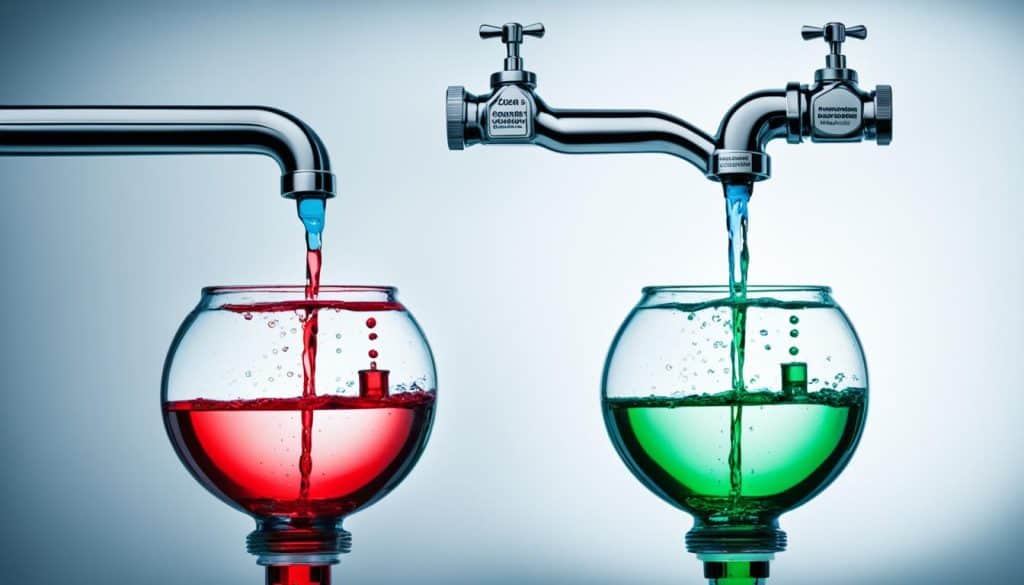
Water-conserving devices, such as low-flow showerheads and toilets, have the potential to significantly reduce your water usage and save you money. By implementing these devices in your home, you can make a positive impact on both the environment and your monthly bills.
Low-flow showerheads are designed to restrict the flow of water while maintaining optimal water pressure. These devices use less water per minute compared to standard showerheads, allowing you to enjoy a refreshing shower while conserving water.
Similarly, water-saving toilets use less water during each flush. Older toilets often consume a significant amount of water with every flush, whereas newer models use advanced flushing mechanisms and design features to minimize water usage without compromising functionality.
By using worksheets that estimate water consumption with and without these water-conserving devices, you can gain a better understanding of the potential savings in terms of gallons of water per day. This information will help you quantify the impact that water-efficient appliances can have on your daily consumption and overall water-saving efforts.
Investing in water-saving devices not only reduces your ecological footprint but also provides substantial financial benefits. By minimizing water wastage, these devices can contribute to significant savings on your water bills over time.
The Benefits of Water-Saving Devices:
- Reduced Water Usage: Using water-conserving devices allows you to consume less water without compromising your daily activities.
- Lower Utility Bills: By reducing your water consumption, you can significantly decrease your monthly water bills.
- Environmental Impact: Conserving water helps to preserve this valuable resource and protect the environment.
- Long-Term Savings: While the initial cost of purchasing and installing water-saving devices may be higher, the long-term savings on your water bills make it a wise investment.
By incorporating these water-conserving devices into your home, you can make a positive impact on the environment and your wallet.
Additional Ways to Save Water and Money
In addition to using water-conserving devices, there are other ways you can save water and money. By implementing simple practices and making necessary repairs, you can further reduce water waste in your home.
Check for and Repair Leaks
One of the most common causes of water waste is undetected leaks in faucets, toilets, and other water-using appliances. Even a small leak can waste a significant amount of water over time. To prevent this, regularly check for leaks and repair them promptly. Inspect faucets, showerheads, and toilets for any signs of leakage, such as dripping sounds or pooling water. Replace worn-out washers or seals and tighten loose fittings. By fixing leaks, you can conserve water and avoid unnecessary expenses.
Upgrade to Efficient Appliances
Replacing outdated toilets and clothes washers with new, water-efficient models can have a substantial impact on your water consumption. Look for toilets with a low flush volume and clothes washers with high water efficiency ratings. These appliances use less water per use, resulting in significant savings over time. Investing in water-saving appliances not only reduces your environmental footprint but also lowers your monthly water bills.
Incorporate Smart Outdoor Watering Practices
Outdoor water usage can account for a significant portion of a household’s water consumption. To reduce water waste, consider incorporating smart irrigation systems and planting climate-appropriate vegetation. Smart irrigation systems use weather data and soil moisture sensors to water plants only when necessary, optimizing water usage. Additionally, selecting plants that are well-suited to your local climate and require minimal watering can further reduce outdoor water consumption.
- Regularly check for and repair leaks in faucets, toilets, and other water-using appliances to prevent water waste.
- Upgrade to water-efficient toilets and clothes washers to reduce your water consumption.
- Incorporate smart irrigation systems and plant climate-appropriate vegetation to minimize outdoor water usage.
By following these additional water-saving tips and performing necessary leak repairs, you can further contribute to conserving water and saving money on your monthly water bills.
Conclusion
Water conservation is a crucial practice that not only benefits the environment but also allows you to save a substantial amount of money. By taking steps to understand the water usage of your appliances, calculating your daily consumption, and implementing water-saving tips and techniques, you can make a significant impact on reducing your water bills.
Conserving water is a responsible and cost-effective way to protect our most precious resource and ensure its availability for future generations. By being mindful of our water usage, we can contribute to the sustainable management of water resources.
Start saving water and money today by using water-efficient appliances, repairing leaks, and adopting other water-saving strategies. Together, we can make a difference and create a greener and more sustainable future for all.
FAQ
How can water conservation help me save money?
Water conservation is a great way to reduce your water usage and save money on your bills. By implementing simple changes at home, you can significantly decrease the amount of water you consume and lower your monthly expenses.
How much water do household appliances use?
The amount of water used by household appliances can vary depending on when they were manufactured. For example, older toilets can use up to 7 gallons per flush, while newer models only use 1.6 gallons. Showerheads, faucets, and dishwashers also have different water consumption rates.
How can I calculate my family’s daily water consumption?
To accurately assess your water usage, you can use a worksheet to calculate the daily water consumption of your household appliances. By filling in the number of household members, flushing frequency, shower duration, and other relevant data, you can determine the total gallons of water your appliances typically use each day.
How much water can I save with water-conserving devices?
Water-conserving devices, such as low-flow showerheads and toilets, can significantly reduce your water usage. By using worksheets that estimate water consumption with and without these devices, you can see the potential savings in terms of gallons of water per day.
What are some additional ways to save water and money?
In addition to using water-conserving devices, there are other ways you can save water and money. Checking for and repairing leaks in faucets, toilets, and other water-using appliances is crucial to preventing water waste. Replacing old toilets and clothes washers with newer, more efficient models can also lead to significant water savings. Furthermore, planting climate-appropriate vegetation and using smart irrigation systems can help reduce outdoor water consumption.
Why is water conservation important?
Water conservation is not only important for the environment but can also result in substantial financial savings. Conserving water is a responsible and cost-effective way to take care of our most critical resource and ensure its availability for future generations.
Source Links
- https://columbiascwater.net/about-drinking-water/save-water-save-money/
- https://www.energystar.gov/products/saving_water_helps_protect_our_nations_water_supplies
- https://extension.psu.edu/water-conservation-how-much-water-and-money-can-you-save
