
Understanding your credit score and its impact on your financial health can sometimes feel overwhelming. Trust me, I’ve been there. Just a few years ago, I found myself in a tough spot financially. My credit history was limited, and I had no idea where to begin to improve my credit score.
But let me tell you, taking the time to understand my credit score and how it affects my financial well-being was one of the best decisions I ever made. It opened doors to better opportunities and gave me the confidence to take control of my financial future.
In this guide, I’ll share with you the step-by-step approach I used to navigate the essentials of my credit score. Whether you’re a recent graduate starting to build credit or someone who wants to establish a strong credit history later in life, this guide will provide you with the knowledge and tools to take charge of your credit score.
Why You Need a Good Credit Score
Establishing a good credit score is vital for your overall financial picture. With a good credit score, you’ll have an easier time being approved for renting an apartment, getting better rates on car and homeowner’s insurance, and borrowing money at a lower cost.
Additionally, having a good credit score can be particularly helpful during unexpected financial crises, as it increases your chances of receiving favorable offers for 0% financing.
What is a Good Credit Score?
A good credit score is an essential part of maintaining a healthy financial profile. It determines your eligibility for various borrowing opportunities and can influence the terms and rates you receive. To understand what constitutes a good credit score, let’s take a look at the credit score ranges and the scoring models commonly used.
Credit Score Ranges
Credit scores range from 300 to 850, with higher scores indicating better creditworthiness. The most widely used credit scoring models are the FICO Score and VantageScore.
The FICO Score credit ranges include:
- Very Poor: 300-579
- Fair: 580-669
- Good: 670-739
- Very Good: 740-799
- Excellent: 800-850
VantageScore credit ranges are similar to FICO Scores but may have slight variations in the specific credit range.
It’s important to note that different lenders may use different credit scoring models and credit bureaus to assess your creditworthiness. This makes it challenging to predict the exact credit score your lender will see when evaluating your loan or credit application.
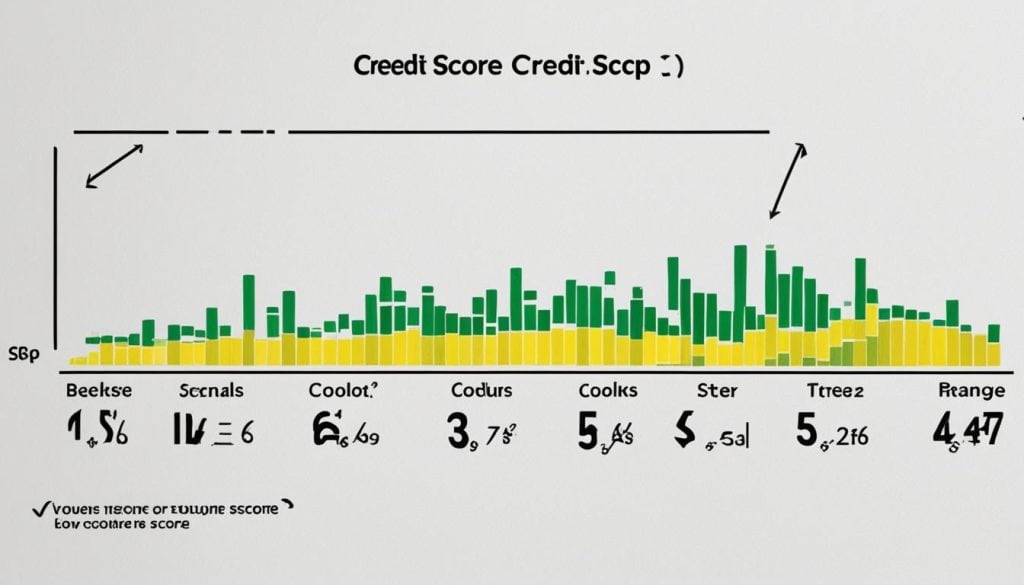
Understanding your credit score is crucial for making informed financial decisions. Stay tuned for the next section, where we explore the difference between a good and excellent credit score and how it impacts your financial opportunities.
The Difference Between a Good and Excellent Credit Score
An “excellent” credit score falls within the range of 800 to 850, while a “good” credit score typically ranges from 670 to 739.
Disadvantages of a Poor or Fair Credit Score
Having a poor or fair credit score can have significant drawbacks that negatively impact your financial life. A bad credit score can greatly reduce your chances of loan approval and hinder your ability to achieve your financial goals. Even if you do get approved for credit cards or loans, you are more likely to face less favorable terms, such as high interest rates or annual fees.
One of the key disadvantages of a bad credit score is the limited options it presents for credit cards. With a poor or fair credit score, your choices become significantly restricted, leaving you primarily with secured credit cards that require a cash deposit as collateral. These cards often come with limited benefits and higher fees.
It is essential to take action to improve your credit score and increase your chances of being approved for better financial products. By working towards a better credit score, you’ll have access to more favorable loan terms, lower interest rates, and a wider range of credit card options.

Factors That Determine Your Credit Score
In order to understand how your credit score is calculated, it’s important to know the factors that influence it. Credit scores are determined using various models, such as FICO Score and VantageScore, which analyze the information in your credit report.
The key factors considered in the calculation of your credit score include:
- Payment History: Your history of making timely payments to lenders and creditors. This factor has the most significant impact on your credit score.
- Amounts Owed: The total amount of debt you currently owe, as well as your credit utilization ratio. Maintaining a low credit utilization ratio, which is the percentage of your available credit that you’re using, is important for a healthy credit score.
- Length of Credit History: The length of time you’ve had credit accounts open. Generally, a longer credit history can positively impact your credit score.
- New Credit: The number of recently opened credit accounts that appear on your credit report. Opening multiple accounts within a short period of time may negatively affect your credit score.
- Credit Mix: The different types of credit accounts you have, such as credit cards, loans, and mortgages. Having a mix of credit types can demonstrate your ability to manage various types of credit.
While payment history and credit utilization ratio carry the most weight in credit score calculation, it’s essential to maintain good practices in all the above factors to ensure a healthy credit score.
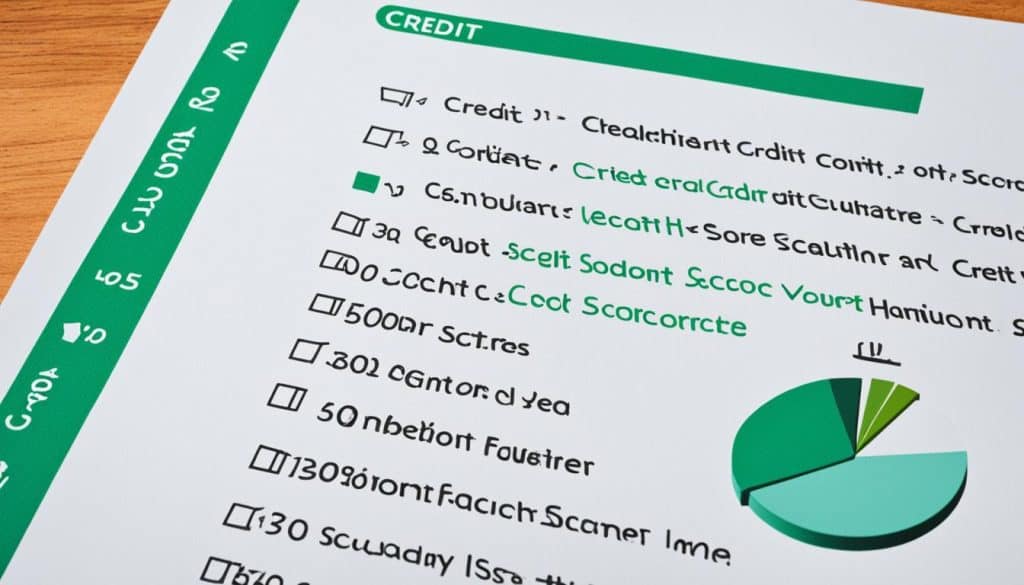
To help you visualize how these factors affect your credit score, refer to the image below:
How to Check Your Credit Score for Free
Checking your credit score regularly is essential to understand your creditworthiness and financial standing. Fortunately, there are several ways to check your credit score for free.
Many credit card issuers provide free access to credit scores for their cardholders. As a cardholder, you can simply log into your online account or mobile app to check your credit score. This convenient feature allows you to stay updated on your credit health without any additional costs or hassle. It’s a valuable perk offered by credit card companies that can help you monitor your financial progress.
Alternatively, you can check your credit score for free through websites that offer credit scores as part of their subscription services. These websites often provide access to credit monitoring tools, credit reports, and personalized credit advice. They use different scoring models, such as FICO Score and VantageScore, to generate your credit score. It’s worth exploring these websites to gain a deeper understanding of your credit profile and receive ongoing monitoring services.
Another option is to check your credit score directly from the national credit bureaus, Equifax, Experian, and TransUnion. These bureaus collect and maintain credit information on consumers. Each bureau allows you to access your credit report free of charge once every 12 months through AnnualCreditReport.com. While the credit reports do not include your credit score, you have the option to purchase your score directly from each bureau’s website. It’s advisable to check your credit report at least once a year to ensure its accuracy.
Remember, checking your credit score does not harm your credit in any way. In fact, it is a responsible financial practice to regularly check your credit score. By monitoring your credit score, you can keep track of any changes or potential errors, identify areas for improvement, and make informed decisions about your financial future.
Take advantage of these convenient methods to check your credit score for free and gain valuable insights into your creditworthiness. By staying informed and proactive about your credit, you can take steps to improve your score and put yourself in a stronger financial position.
Conclusion
Understanding your credit score is crucial for maintaining financial health. By following the steps outlined in this guide, you can navigate the essentials of your credit score and work towards improving it.
One of the most important aspects of credit score improvement is responsible credit management. Making payments on time is essential to demonstrate your reliability to lenders and creditors. Additionally, it’s crucial to keep your credit utilization ratio low, which means using a small percentage of your available credit. This shows that you can handle credit responsibly and are not maxing out your cards.
Maintaining a good credit mix is also beneficial for your credit score. This means having a variety of types of credit, such as credit cards, installment loans, and mortgages. Finally, it’s important to be cautious when seeking new credit. Applying for multiple credit accounts within a short period can negatively impact your credit score.
With responsible credit management, you can achieve a stronger credit score and open doors to better financial opportunities. Start implementing these strategies today and watch your credit score improve over time. Remember, your credit score is a reflection of your financial habits, so it’s important to establish and maintain good practices for long-term credit health.
FAQ
Can having a good credit score benefit me in any way?
Yes, having a good credit score can make it easier for you to be approved for renting an apartment, get better rates on car and homeowner’s insurance, and borrow money at a lower cost. It can also increase your chances of receiving favorable offers for 0% financing during unexpected financial crises.
What is considered an excellent credit score?
An excellent credit score falls within the range of 800 to 850. With an excellent credit score, you can have access to generous rewards, luxury benefits, and competitive rates and terms for credit cards and loans.
How does having a poor or fair credit score affect me?
Having a poor or fair credit score can reduce your chances of being approved for credit cards and loans. If approved, you may receive less favorable terms such as high interest rates or annual fees. It also limits your credit card choices, primarily leaving you with secured cards.
What factors determine my credit score?
Credit scores are calculated using different models, such as FICO Score and VantageScore. The factors considered include payment history, amounts owed, length of credit history, new credit, and credit mix. Payment history has the most significant influence on credit scores.
How can I check my credit score for free?
You can check your credit score for free through credit card issuers that provide access to their cardholders. There are also websites that offer scores as part of their subscription services, or you can directly check your credit score from the national credit bureaus. Checking your credit score regularly allows you to understand your creditworthiness and take steps to improve or maintain it.
Source Links
- https://www.experian.com/blogs/ask-experian/credit-education/score-basics/my-credit-score/
- https://www.cnbc.com/select/guide/credit-scores-for-beginners/
- https://www.experian.com/blogs/ask-experian/credit-education/score-basics/what-affects-your-credit-scores/
