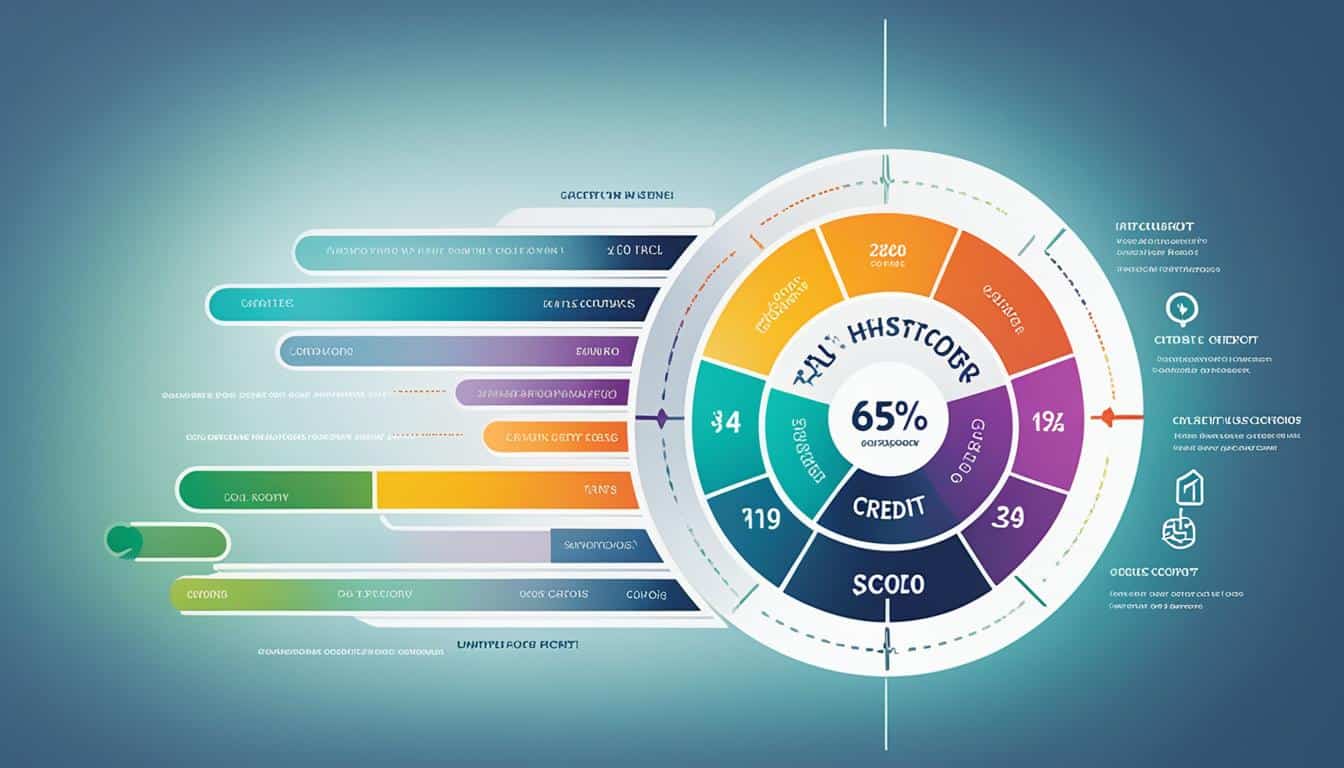
Have you ever wondered what goes into determining your credit score? I certainly have. As someone who has navigated the challenging world of personal finances, I understand the importance of having a strong credit score. It affects everything from securing a loan for a new car to getting a mortgage for your dream home. That’s why it’s essential to have a clear understanding of the factors that impact your credit score.
Credit scoring systems, such as the well-known FICO® Score and VantageScore®, play a significant role in analyzing your credit report and predicting your creditworthiness. While the specific calculations used to determine your credit score are closely guarded secrets, the factors they consider and the weightings assigned to them are public knowledge.
So, what are these factors, you ask? Payment history, amounts owed, length of credit history, credit mix, and new credit are the key components that contribute to your credit score. Each factor plays a unique role in determining your overall creditworthiness and financial health.
In the following sections, I will delve into each of these factors, explaining their significance and offering practical tips to help you improve your credit score. By understanding the factors affecting your credit score and taking proactive steps to address them, you can set yourself on a path towards financial success.
Payment History
Your payment history plays a crucial role in determining your credit score. In fact, it is the most important factor that affects your credit score, accounting for about 35% of your FICO® Score. Maintaining a positive payment history is essential for maintaining good credit and financial well-being.
Making timely debt payments every month is key to a healthy payment history. Even a single payment made 30 days late can have a significant negative impact on your credit scores. Late payments, accounts sent to collections, foreclosures, and bankruptcies can have long-lasting consequences for your credit. It’s important to prioritize paying your bills on time to protect your credit score and financial future.
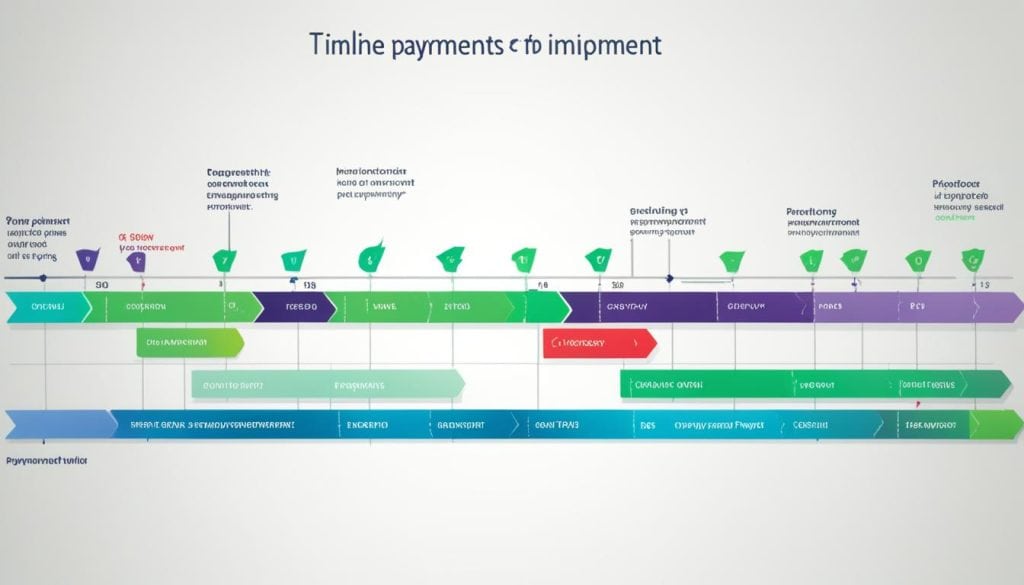
By paying your bills on time, you demonstrate your reliability and financial responsibility to lenders. This positively influences your creditworthiness and increases your chances of obtaining favorable loan terms and interest rates in the future.
Remember that late payments are not the only factor that affects your payment history. Accounts sent to collections, foreclosures, and bankruptcies are also important indicators of your payment behavior. These negative events can stay on your credit report for several years and make it more challenging to access credit or obtain favorable loan terms.
It’s important to understand that even if you have had past late payments or other negative marks on your payment history, you can still take steps to improve your credit score. By consistently paying your bills on time moving forward, you can gradually rebuild a positive payment history and improve your creditworthiness.
The importance of paying bills on time
Paying your bills on time demonstrates your reliability and responsibility as a borrower. It shows lenders that you are capable of managing your debts and meeting your financial obligations. This helps build trust and confidence in your ability to repay borrowed funds, which can lead to access to better loan terms and interest rates.
On the other hand, consistently making late payments or missing payments indicates a higher risk to lenders. It suggests that you may have difficulty managing your debts and meeting your financial commitments. This can result in higher interest rates, lower credit limits, and restricted access to credit in the future.
By prioritizing timely bill payments and maintaining a positive payment history, you can safeguard your credit score and financial well-being. It is an important step towards achieving your financial goals and establishing a strong foundation for your financial future.
Amounts Owed
In building and maintaining a healthy credit score, the total amount you owe plays a crucial role. Lenders and credit scoring systems assess your credit utilization, which measures the proportion of your available credit that is tied up in outstanding balances. This metric, known as the credit utilization ratio, significantly impacts credit scores.
It is recommended to keep your credit utilization ratio below 30%. Individuals with the highest credit scores typically maintain utilization rates below 10%. By managing your outstanding balances responsibly, you can positively influence your credit utilization ratio and increase your credit score.
Paying off high balances can lead to a quick boost in credit scores. When you reduce the amount you owe, your credit utilization ratio improves, indicating responsible credit management to lenders. This improvement can positively impact your overall creditworthiness and open doors for better credit opportunities.
To better visualize the concept, consider this example: Suppose you have a total credit limit of $10,000, with $5,000 currently owed. This would result in a credit utilization ratio of 50%. By reducing the outstanding balance to $3,000, your credit utilization ratio drops to 30%. This decrease demonstrates improved credit utilization and can positively affect your credit score.
Understanding the role of amounts owed and credit utilization is essential for building and maintaining good credit. By managing your outstanding balances responsibly and paying them off regularly, you can increase your creditworthiness, presenting yourself as a reliable borrower to lenders.

Tips for managing amounts owed:
- Regularly review your outstanding balances and develop a repayment plan to reduce them over time.
- Consider consolidating high-interest debts to lower interest options to facilitate faster debt repayment.
- Avoid maxing out your credit cards and strive to keep your balances well below your credit limits.
- If you have multiple credit cards or loans, prioritize paying off those with the highest interest rates first.
- Monitor your credit utilization ratio regularly and make adjustments as needed to keep it within the recommended range.
By proactively managing your amounts owed and credit utilization, you can take control of your credit health and work towards improving your overall credit score.
Length of Credit History
The length of your credit history plays a significant role in determining your credit score. As a general rule, the longer your credit history, the higher your credit score will tend to be.
Credit scoring models evaluate your experience with credit by considering various factors related to the length of your credit history. These factors include the age of your oldest credit account, the age of your newest credit account, and the average age of all your accounts.
It’s important to note that closing accounts or paying off loans in full may impact the payment history and utilization for those accounts. However, it doesn’t immediately cancel out their ages when calculating the length of your credit history.
Having a longer credit history demonstrates your ability to manage credit over an extended period, which is viewed positively by credit scoring systems. It provides lenders with a better understanding of your creditworthiness and financial responsibility.
By maintaining your oldest credit account, opening new accounts strategically, and using credit responsibly over time, you can contribute to the length and strength of your credit history.
Credit Mix
Having a diverse credit mix is beneficial for your credit scores. Credit scoring systems place importance on a combination of installment debt, such as student loans, mortgages, car loans, and personal loans, as well as revolving accounts like credit cards and lines of credit. A credit mix that includes both types of credit contributes to about 10% of your FICO® Score.
Managing different types of credit responsibly is key to achieving a higher credit score. This means paying your installments and revolving accounts on time, keeping your credit card balances low, and avoiding maxing out your credit limits. Maintaining a healthy credit mix demonstrates to lenders that you can handle different types of credit, increasing your creditworthiness.
To illustrate the concept of credit mix, consider a scenario where you have a student loan, a credit card, and a mortgage. This combination of installment debt and revolving account shows that you can manage long-term debt payments (such as the student loan and mortgage) as well as short-term credit card debt. This variety indicates a balanced approach to credit, which is viewed favorably by credit scoring systems.
By maintaining a diverse credit mix and responsibly managing your credit accounts, you can enhance your credit scores and improve your overall financial well-being.
New Credit
When it comes to managing your credit, applying for new credit can have both immediate and long-term effects. Understanding the impact of new credit is crucial for maintaining a healthy credit score.
One important aspect to consider is the concept of hard inquiries. Every time you apply for new credit, such as a loan or credit card, a hard inquiry is recorded on your credit report. Hard inquiries are visible to lenders and can slightly decrease your credit score. However, the effects are generally minor and temporary.
For example, if you recently applied for a car loan, a single hard inquiry would be recorded on your credit report. This inquiry may cause a slight dip in your credit score, but it typically bounces back quickly.
It’s important to note that credit scoring models take into account different scenarios when it comes to new credit. For rate shopping on installment loans, such as a mortgage or auto loan, multiple inquiries within a short period of time are typically treated as a single inquiry. This allows you to explore different loan options without significantly impacting your credit score.
On the other hand, credit card applications are considered separately. Multiple credit card inquiries within a short time span can have a compounding effect on your credit score. It’s important to be mindful of this when applying for new credit cards.
For instance, if you are considering applying for multiple credit cards within a short period, the cumulative effect of these inquiries may have a more noticeable impact on your credit score.
Additionally, taking on new debt as a result of new credit can also affect your credit score. It’s important to consider the potential impact on your credit utilization ratio, which is the percentage of your available credit that you’re using. High balances and maxed-out credit cards can negatively impact your credit score.
For instance, if you recently obtained a significant amount of new debt, your credit utilization ratio may increase. This can potentially lower your credit score until you are able to pay down the debt.
To optimize your credit score, it’s important to carefully consider your need for new credit and the potential impact on your credit profile. By understanding the factors at play, such as hard inquiries, rate shopping, and the potential increase in debt, you can make informed decisions about your credit.
Establishing Credit for New Borrowers
If you’re new to personal credit, it can be challenging to establish a credit score. However, there are several proven approaches to help you break the cycle and establish a credit score. These include getting a secured credit card, becoming an authorized user on someone else’s credit card, and getting a credit-builder loan. These methods can help you build a positive payment history and credit score.
Establishing credit is a crucial step in your financial journey. A secured credit card is an excellent option for new borrowers. With a secured credit card, you provide a cash deposit that becomes your credit limit. By using the card responsibly and making timely payments, you can establish a positive payment history and demonstrate your creditworthiness.
Becoming an authorized user on someone else’s credit card can also help you establish credit. If you have a trustworthy family member or friend who is willing to add you as an authorized user, their credit account’s positive history and timely payments will reflect on your credit report. This can give you a head start in establishing a credit score.
Another option for new borrowers is a credit-builder loan. These are small loans designed specifically to help individuals establish credit. The borrowed amount is deposited into a savings account or certificate of deposit (CD) that you can access once you’ve made all the required payments. Paying off the credit-builder loan on time will demonstrate your ability to handle debt responsibly and improve your credit score.
By taking these steps and utilizing secured credit cards, becoming an authorized user, and considering credit-builder loans, you can establish credit as a new borrower. Building a positive payment history and credit score will open doors to future financial opportunities.
Conclusion
Improving your credit score is crucial for maintaining good financial health. Various factors affect your credit score, including payment history, amounts owed, length of credit history, credit mix, and new credit. By understanding these factors and taking the necessary steps, you can work towards achieving a higher credit score.
One of the most important factors affecting your credit score is your payment history. To maintain good credit, it’s essential to pay your bills on time and avoid late payments, collections, foreclosures, and bankruptcies.
Additionally, the amounts you owe and your credit utilization ratio play a significant role in your credit score. Keeping your credit utilization below 30% and paying off high balances can lead to an improvement in your credit scores.
Moreover, the length of your credit history and having a diverse credit mix impact your credit score. Keeping your oldest credit account open and responsibly managing different types of credit can contribute to a higher credit score.
Lastly, new credit applications can have a temporary impact on your credit score. Being mindful of new credit and avoiding multiple inquiries within a short time span can help maintain a healthy credit score.
Understanding these factors and implementing good credit habits can lead to a steady improvement in your credit scores over time. By paying bills on time, keeping credit utilization low, maintaining a diverse credit mix, and being cautious with new credit, you can work towards achieving your desired credit score.
FAQ
What are the factors that affect your credit score?
The factors that affect your credit score include payment history, amounts owed, length of credit history, credit mix, and new credit.
How important is payment history in determining your credit score?
Payment history is the most important factor that affects your credit score, accounting for about 35% of your FICO Score. It is crucial to make debt payments on time every month to maintain good credit.
How does the amount owed affect your credit score?
The total amount you owe and your credit utilization ratio, or the percentage of your total borrowing limit that you’re using, can impact your credit score. It is recommended to keep your credit utilization ratio below 30% to maintain good credit.
Does the length of your credit history affect your credit score?
Yes, the length of your credit history is an important factor in determining your credit score. The longer your credit history, the higher your credit score tends to be.
How does credit mix impact your credit score?
Having a mix of different types of credit, such as installment debt and revolving accounts, can benefit your credit scores. A diverse credit mix contributes to about 10% of your FICO Score.
What is the impact of new credit on your credit score?
Applying for new credit can have a slight impact on your credit score, as each application generates a hard inquiry on your credit report. It is important to be mindful of multiple credit inquiries within a short time span.
How can new borrowers establish credit?
New borrowers can establish credit by getting a secured credit card, becoming an authorized user on someone else’s credit card, or getting a credit-builder loan.
What is the importance of understanding factors affecting credit scores?
Understanding the factors that affect your credit score is essential in improving your credit scores and maintaining good financial health.
Source Links
- https://www.experian.com/blogs/ask-experian/credit-education/score-basics/what-affects-your-credit-scores/
- https://www.investopedia.com/articles/pf/10/credit-score-factors.asp
- https://www.nerdwallet.com/article/finance/what-makes-up-credit-score
