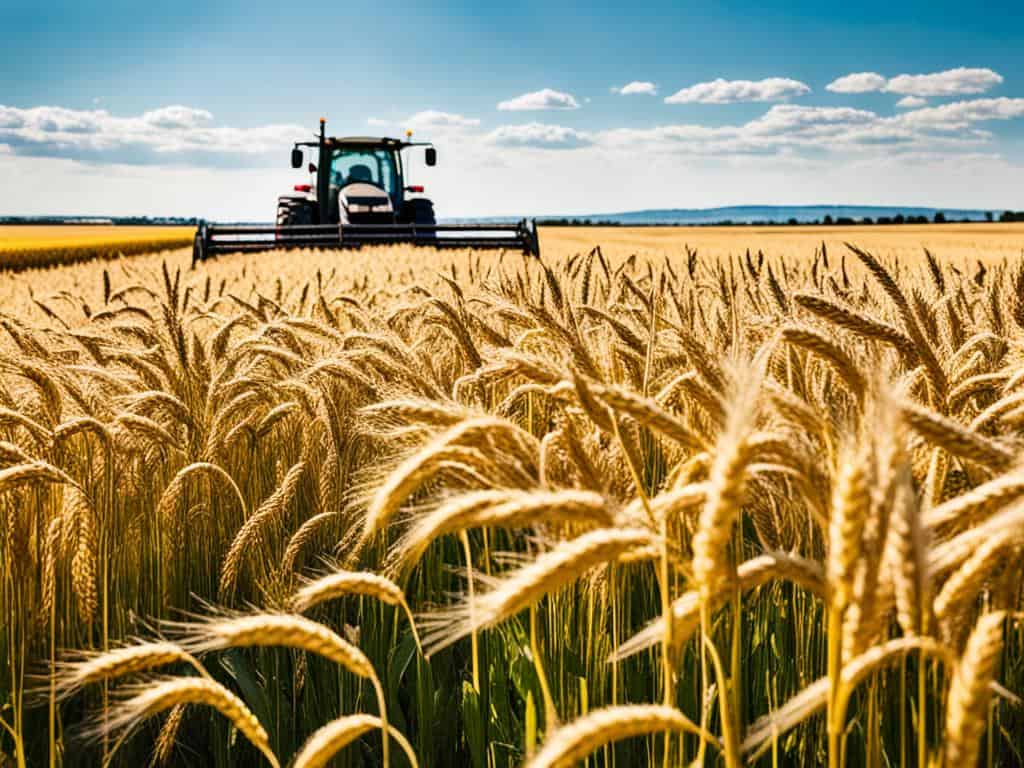
Are you aware that agricultural commodities play an indispensable role in the global economy and food security? It’s true! These raw products have a far-reaching impact, not just on our plates but on the vitality of economies around the world. From wheat and corn to coffee and cotton, agricultural commodities are the backbone of countless industries and provide sustenance for billions of people. The importance of these commodities cannot be overstated, as they form the very foundation of our lives.
- Agricultural commodities play a vital role in the global economy and food security.
- These raw products are transformed into value-added products through various processes.
- Value-added agriculture offers higher returns, new market opportunities, and increased recognition for farmers.
- Niche markets can be a pathway to success for smaller producers.
- Farmers can overcome challenges by starting small, making decisions based on good records, creating high-quality products, and following demand-driven production.
The Keys to Success in Value-Added Agriculture
A study conducted by ATTRA and the Southern Sustainable Agriculture Working Group identified ten keys to success for farmers pursuing a value-added business.
“Starting small and growing naturally is essential,” says Jim Smith, a value-added agriculture expert. “It allows farmers to learn and adapt as they navigate the complexities of the industry.”
Making decisions based on good records is another crucial factor. By carefully tracking financials, production data, and customer feedback, farmers can make informed choices that steer their business towards success.
“Creating high-quality products is a non-negotiable,” emphasizes Sarah Johnson, a renowned value-added product specialist. “Customers expect superior quality, and it sets businesses apart from competitors.”
Following demand-driven production is also key. By analyzing market trends, understanding consumer preferences, and anticipating future demands, farmers can align their products with market needs.
Personal Involvement and Continuous Learning
Farmers should involve the whole family or partners to share the workload and benefit from diverse expertise. This collaborative approach helps businesses thrive and fosters a sense of belonging and commitment within the team.
Staying informed is vital in a dynamic industry like value-added agriculture. Keeping up with the latest trends, technologies, and regulations helps farmers stay ahead of the curve and adapt to changing market conditions.
Planning for the Future and Continuous Evaluation
Planning for the future is critical for long-term success. Developing a strategic roadmap, setting goals, and regularly assessing progress enables farmers to make informed decisions and stay focused on their objectives.
“Continuous evaluation is the key to improvement,” advises Mark Davis, a seasoned value-added business consultant. “Regularly reviewing and refining products, processes, and marketing strategies ensures sustained growth and increased competitiveness.”
Perseverance is also crucial. The value-added agriculture industry can be challenging, and setbacks are inevitable. However, those who persist through difficult times often emerge stronger and more resilient.
“Having adequate capitalization is the foundation for success,” emphasizes Lee Thompson, a financial expert specializing in agriculture. “Investing in equipment, infrastructure, marketing, and research and development is essential for businesses to thrive in the value-added agriculture sector.”
By following these keys to success, farmers can position themselves for success in the value-added agriculture industry. These strategies lay the foundation for building a thriving value-added business, creating a sustainable source of income, and offering innovative value-added products that meet the evolving needs of consumers.
Opportunities to Increase Farm Income through Value-Added Agriculture
Farm businesses can increase their income by implementing new management, marketing, or production practices that enhance revenue or lower costs. As a farmer, I have discovered several opportunities to boost farm income and improve profitability.
One way to increase income is by building on-farm grain storage bins for selective grain marketing. By storing and selling grain at strategic times when market prices are higher, farmers can maximize their returns and generate additional income.
Another opportunity is to place marginal land in conservation programs or lease it for hunting. This not only generates income but also helps in preserving natural resources and diversifying revenue streams.
Growing specialty crops with higher returns on investment than traditional commodity crops is also a viable option. By researching and identifying market demand for specific crops, farmers can tap into niche markets and increase their profitability.
Moreover, making agricultural commodities or products more valuable by responding to customer needs is a great way to boost farm income. By understanding consumer preferences and developing products that meet their demands, farmers can differentiate themselves in the market and command higher prices.
Implementing sustainable production practices can also contribute to increasing income. By adopting efficient resource management techniques, reducing waste, and optimizing production processes, farmers can lower production costs and maximize profits.
By identifying and implementing these opportunities, farmers can not only increase their income but also enhance the overall profitability of their farm. It is crucial to assess the feasibility and compatibility of these practices with your specific farm operation. With careful planning, effective execution, and continuous evaluation, farmers can unlock the full potential of value-added agriculture and thrive in the ever-evolving agricultural industry.
Ways to Add Value to Agricultural Commodities
Farms have numerous opportunities to add value to agricultural commodities and products, allowing them to maximize their revenue and expand their customer base. By employing various methods, farms can enhance the value of their agricultural offerings and tap into new market opportunities.
Changing the Physical State or Form
One way to add value to agricultural commodities is by transforming their physical state or form. For example, crops like corn can be processed into cornmeal or tortilla chips, while fruits can be dried or turned into jams and preserves. This process allows farmers to offer consumers a convenient and ready-to-use product, commanding a higher price in the market.
Creating Value-Added Products
Another approach is to develop value-added products using agricultural commodities as key ingredients. By combining commodities with other components, such as spices, flavors, or packaging, farmers can produce unique and specialized goods that cater to specific consumer preferences. Examples include flavored olive oils, artisanal cheeses, or gourmet sauces.
Physically Separating Commodities
Physically separating commodities is an effective method to increase their value. For instance, farmers can separate whole grains into bran, germ, and endosperm components, enabling them to sell each component individually. This separation allows farmers to cater to different market demands and fetch higher prices for specific portions of the commodity.
Utilizing Commodities for Farm-Based Renewable Energy
In an era of sustainable practices, utilizing agricultural commodities for farm-based renewable energy offers a valuable opportunity. By utilizing crops like corn or switchgrass for biofuel production or converting livestock waste into biogas, farmers can generate additional income while contributing to a cleaner and greener environment.
Marketing Agricultural Commodities as Locally Produced Food
Consumers today prioritize locally produced food, as it often ensures freshness, supports the local economy, and reduces environmental impacts associated with long-distance transportation. Farmers can capitalize on this trend by emphasizing the locality of their agricultural commodities and promoting their products within the community.
Linking Services or Experiences to Agricultural Products
Farms can further add value to agricultural commodities by linking services or experiences to their products. For example, hosting farm-to-table dinners, offering farm tours, or organizing workshops on food preservation can enhance the overall value proposition for customers. These additional services create a unique and memorable experience, giving consumers a deeper connection with the agricultural products they purchase.
Finding New Uses for Agricultural Byproducts
Lastly, farms can explore innovative ways to utilize agricultural byproducts. For instance, crop residues can be converted into animal feed or used as raw materials for manufacturing biodegradable packaging. These alternative uses allow farmers to reduce wastage, generate additional income streams, and align with the principles of a circular economy.
By adopting these strategies and exploring value-added opportunities, farms can unlock the full potential of their agricultural commodities. These initiatives not only increase revenue but also diversify market offerings, enhance sustainability practices, and contribute to the overall growth and profitability of the agricultural industry.
Creating and Capturing Value in the Agriculture Industry
To create and capture value in the agriculture industry, farms must focus on two crucial aspects. First, they need to create new value by converting agricultural commodities into products or making them more valuable to meet buyers’ needs or solve problems. This can be accomplished through several strategies:
- Changing the physical state or form of a commodity
- Enhancing its value through production methods
- Separating it to enhance value
- Using it for renewable energy purposes
- Marketing it as locally produced food
- Linking services or experiences to it
- Finding new uses for byproducts
By implementing these approaches, farms can create a competitive advantage and increase the value of their agricultural commodities.
However, creating value alone is not enough; farms also need to capture the value at the final sale. This involves commanding premium prices for their products by leveraging their competitive advantages. It requires farms to understand the unique selling points of their value-added products and effectively communicate these benefits to their target audience.
By successfully creating and capturing value, farms can enhance their income and profitability, strengthening their position in the agricultural industry.
Understanding Consumer Demand for Value-Added Products
Consumer demand plays a pivotal role in the success of farms aiming to add value to their products. To effectively cater to this demand, conducting thorough market research is essential. This research allows farmers to assess competition, gain insights from consumers through forums and social media, and learn about potential demand through formal studies or consultants.
One effective strategy for understanding consumer demand is to network with similar businesses in the industry. By engaging in these networks, farmers can gather valuable feedback through product research and customer interactions. This direct interaction with consumers provides valuable insights into their preferences, needs, and expectations.
“Market research is essential for understanding consumer demand and refining value-added products.”
The insights gained from market research enable farmers to refine their products according to consumer preferences and demands. This refinement process involves continuously assessing and improving product quality, packaging, branding, and other factors that influence consumer purchasing decisions.
By understanding consumer demand, farmers can identify and target specific audiences that are more likely to appreciate the value-added products they offer. This targeted approach allows farmers to tailor their marketing efforts and outreach, increasing the chances of success in specific market segments.
Furthermore, understanding consumer demand helps farmers identify the right markets to access. By aligning their products with the preferences and needs of specific consumer groups, farmers can enter markets that offer greater potential for success.
Accessing Markets for Value-Added Products
Farms that have value-added products have various market channels through which they can sell their goods. These market channels cater to different types of customers and offer distinct advantages in terms of selling prices, complexity, time commitment, and capturing retail value.
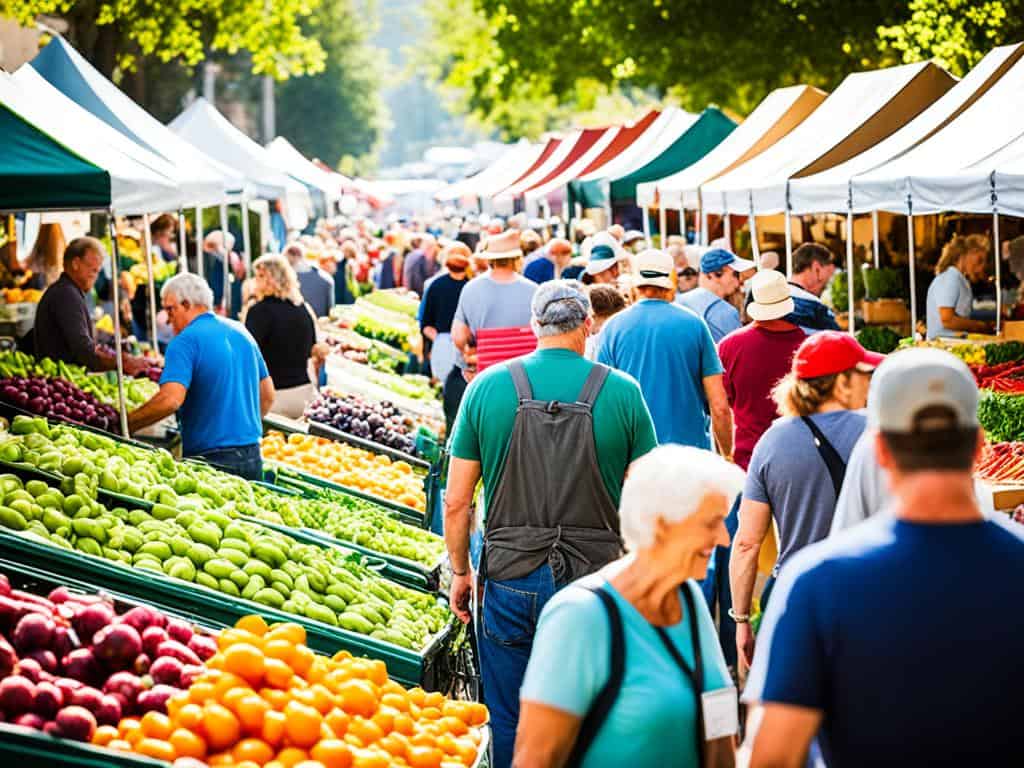
One market channel available to farms is direct-to-consumer sales. This involves selling value-added products directly to consumers through farmers markets, farm stands, online marketplaces, or through agritourism operations and U-pick farms. By engaging directly with consumers, farms can establish a personal connection, educate customers about their products, and offer unique experiences.
Another market channel is selling to retailers. This includes supplying value-added products to grocery stores and other retail establishments. Retailers provide wider market access and potential for higher sales volumes. However, farms need to consider factors such as product consistency, packaging requirements, and the ability to meet retailers’ demands.
Selling to institutions is another option for farms. Institutions, such as schools, prisons, hospitals, and military bases, often have specific purchasing requirements for food products. Farms that can meet these requirements can tap into a stable and potentially lucrative market for their value-added products.
Farms can also explore wholesaler and distributor relationships. Wholesalers buy products in bulk from farms and distribute them to retailers or other intermediaries. Distributors, on the other hand, act as middlemen connecting farms with retailers or other buyers. These partnerships can provide farms with broader market reach and efficient distribution networks, but they may involve additional costs and require careful planning and negotiation.
“Choosing the right market channel is essential for farms looking to maximize their sales and reach the appropriate customer base.”
It is important for farms to evaluate the different market channels available and choose the ones that align with their products, target audience, business goals, and resources. Some farms may find success by primarily focusing on direct-to-consumer sales, while others may benefit more from partnerships with retailers or institutions. Whichever market channels farms choose, they should ensure they have a clear understanding of their customers’ needs and preferences, and adapt their marketing and sales strategies accordingly.

Conclusion
Value-added agriculture presents an exceptional opportunity for farmers to increase their income and tap into new market opportunities. By following key success factors, identifying value-added opportunities, understanding consumer demand, accessing the right markets, and choosing appropriate business structures, farmers can establish profitable value-added businesses in the agricultural industry.
Through value-added agriculture, farmers can create and capture value in agricultural commodities and products. By transforming raw products into value-added offerings, farmers can command premium prices and generate increased income. This not only benefits individual farmers but also contributes to the overall growth and development of the agricultural sector.
Furthermore, value-added agriculture opens doors to diverse market opportunities. By catering to niche markets, farmers can find success beyond traditional commodity crops. Whether selling directly to consumers, collaborating with retailers, engaging with institutions, or partnering with wholesalers, farmers have the potential to expand their customer base and reach a wider audience.
In conclusion, value-added agriculture empowers farmers to unlock their income potential, capitalize on market opportunities, and create value in the agricultural industry. By embracing value-added practices, farmers can enhance their profitability, secure economic stability, and play an integral role in driving the success and sustainability of the agricultural sector.
FAQ
What role do agricultural commodities play in the global economy and food security?
Agricultural commodities play a vital role in the global economy and food security. They are raw products that can be transformed into value-added products through various processes.
What are the benefits of value-added agriculture?
Value-added agriculture offers higher returns, new market opportunities, extended marketing seasons, and increased recognition for farmers.
How can farmers find success in niche markets?
Value-added products are successful in niche markets, and smaller producers can find success by focusing on niche markets.
What challenges do farmers face in the value-added agriculture industry?
Farmers face challenges with food business and safety regulations, recipe formulation, and market potential.
How can farmers overcome these challenges?
Farmers can overcome these challenges by starting small, making decisions based on good records, creating high-quality products, following demand-driven production, involving the whole family or partners, staying informed, planning for the future, evaluating continuously, and having adequate capitalization.
What are the key success factors for farmers in the value-added business?
The key success factors for farmers in the value-added business include starting small and growing naturally, making decisions based on good records, creating high-quality products, following demand-driven production, involving the whole family or partners, staying informed, planning for the future, continuous evaluation, perseverance, and having adequate capitalization.
How can farms increase their income through value-added agriculture?
Farms can increase their income by implementing new management, marketing, or production practices that enhance revenue or lower costs.
What opportunities can boost farm income?
Opportunities to boost farm income include building on-farm grain storage bins, placing marginal land in conservation programs or leasing it for hunting, growing specialty crops with higher returns, and making agricultural commodities or products more valuable by responding to customer needs.
How can farms add value to agricultural commodities and products?
Farms can add value to agricultural commodities and products by changing their physical state or form, making products that enhance their value, physically separating commodities or products to enhance their value, using agricultural commodities for farm-based renewable energy, marketing agricultural commodities as locally produced food, linking services or recreational experiences to agricultural products, and finding new uses for agricultural byproducts.
What are the two key aspects for farms to focus on in creating and capturing value?
Farms need to focus on creating new value by converting agricultural commodities into products or making them more valuable, as well as capturing the value created at the final sale by commanding premium prices for their products through competitive advantages.
Why is understanding consumer demand crucial for farms?
Understanding consumer demand is crucial for farms as it allows them to refine their products, target specific audiences, and access the right markets to maximize their chances of success in the value-added agriculture industry.
What market channels can farms use to sell their value-added products?
Farms can sell their value-added products through various market channels, including direct-to-consumer sales at farmers markets, farm stands, online marketplaces, or through agritourism operations and U-pick farms. They can also sell to retailers such as grocery stores or market to institutions like schools, prisons, hospitals, or military bases. Additionally, farms can engage with wholesalers, distributors, brokers, marketing cooperatives, or other assemblers for larger market access.
How can farmers establish profitable value-added businesses?
By following key success factors, identifying opportunities to add value, understanding consumer demand, accessing the right markets, and choosing appropriate business structures, farmers can establish profitable value-added businesses.
Source Links
- https://smallfarms.oregonstate.edu/exploring-value-added-agriculture
- https://aec.ifas.ufl.edu/resources/ag-teachers/
- https://extension.missouri.edu/publications/g640
