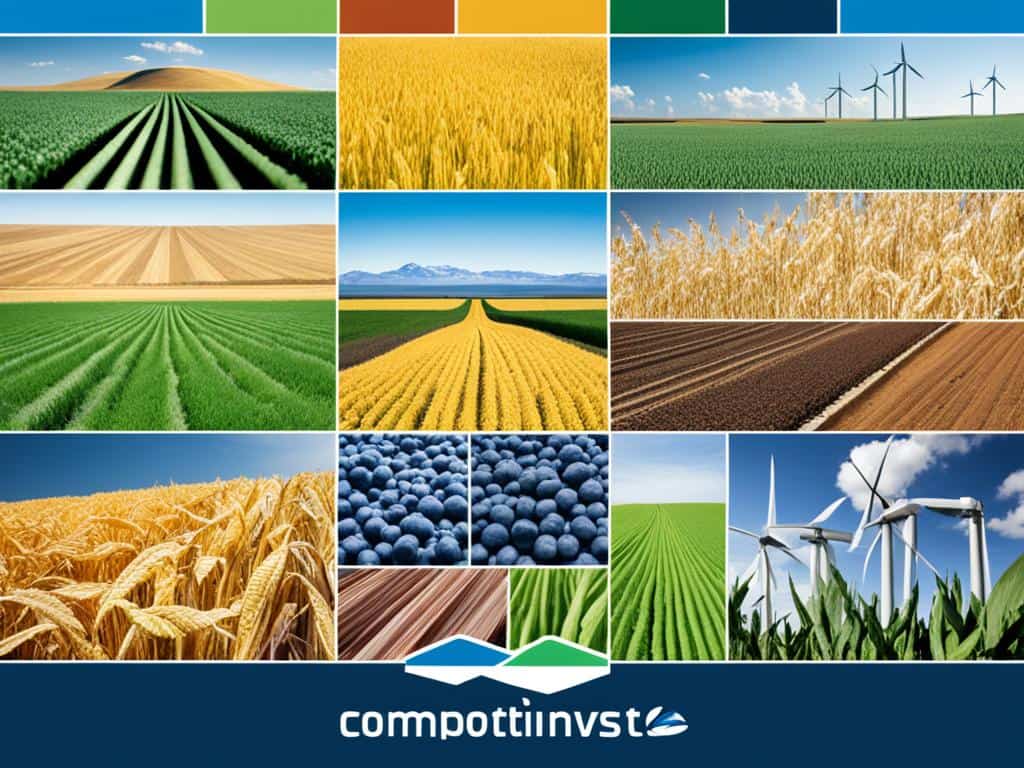
Did you know that commodity ETFs offer ordinary investors easy and inexpensive access to various commodity markets, providing a potential store of value and hedge against inflation?
Commodity ETFs are negatively correlated with other asset classes, such as stocks and bonds, making them an attractive option for diversifying investment portfolios. These ETFs can contain commodities like precious metals, oil and natural gas, and agricultural products like soybeans or livestock.
Key Takeaways:
- Commodity ETFs provide ordinary investors with easy access to various commodities markets.
- They can serve as a store of value and hedge against inflation.
- Commodity ETFs are negatively correlated with other asset classes, offering diversification benefits.
- These ETFs may contain precious metals, oil and natural gas, and agricultural products.
- Investors should carefully consider the risks and expenses associated with commodity ETFs.
Why Invest in Commodity ETFs
Investing in Commodity ETFs allows you to gain exposure to individual commodities or baskets of commodities in a simple, low-risk, and cost-effective manner. With numerous ETFs tracking commodities such as base metals, precious metals, energy, and agricultural goods, you have the opportunity to design your ideal commodity exposure.
Commodity ETFs offer a convenient way to invest in individual commodities without the need for direct ownership. Instead of purchasing and managing physical assets like gold or oil, you can invest in an ETF that tracks the performance of a single commodity or a basket of commodities. This provides you with diversification benefits and helps manage the risks associated with investing in a specific commodity.
By investing in Commodity ETFs, you can avoid the complexities and costs of trading and storing individual commodities. The ETFs typically hold a combination of physical storage and derivatives positions to track the performance of the underlying commodity or commodity index.
For example, if you’re interested in gaining exposure to gold, you can invest in a Commodity ETF that focuses solely on gold. This allows you to participate in the price movements of gold without the need to physically buy and store the metal.
Commodity ETFs are particularly attractive for investors looking to diversify their portfolios and add exposure to alternative asset classes. By including commodities in your investment mix, you can potentially benefit from the performance of these assets, which may have low correlation with traditional stocks and bonds.
Types of Commodity ETFs
When it comes to commodity ETFs, there are four main types that investors should be familiar with: equity ETFs, exchange-traded notes (ETNs), physically backed funds, and futures-based funds.
Equity ETFs
Equity ETFs are designed to provide exposure to commodity-related stocks. These funds invest in companies involved in the production, transportation, and storage of various commodities. By investing in equity ETFs, investors can gain indirect exposure to the performance of specific commodities while also benefiting from the potential growth of the underlying companies.
Exchange-Traded Notes (ETNs)
Exchange-traded notes (ETNs) are debt instruments backed by the issuer and seek to match the returns of an underlying asset or index. Commodity ETNs enable investors to gain exposure to a specific commodity or commodities index. ETNs offer convenience and liquidity, similar to ETFs, but their performance relies on the creditworthiness of the issuer.
Physically Backed Funds
Physically backed funds hold physical commodities directly. These funds typically store the physical commodity, such as gold or silver, in a secure vault on behalf of investors. Investing in physically backed commodity funds provides investors with the opportunity to potentially benefit from the price movements of the underlying commodity.
Futures-Based Funds
Futures-based funds build a portfolio of futures, forwards, and swap contracts on the underlying commodities. These funds don’t hold physical commodities directly but rather use derivative contracts to track the performance of the commodity. Futures-based funds are commonly used to gain exposure to commodities that are difficult to store or transport.
Each type of commodity ETF offers its own unique set of advantages and considerations. It’s important for investors to understand the characteristics and risks associated with each type before making investment decisions.

Risks of Commodity Investment
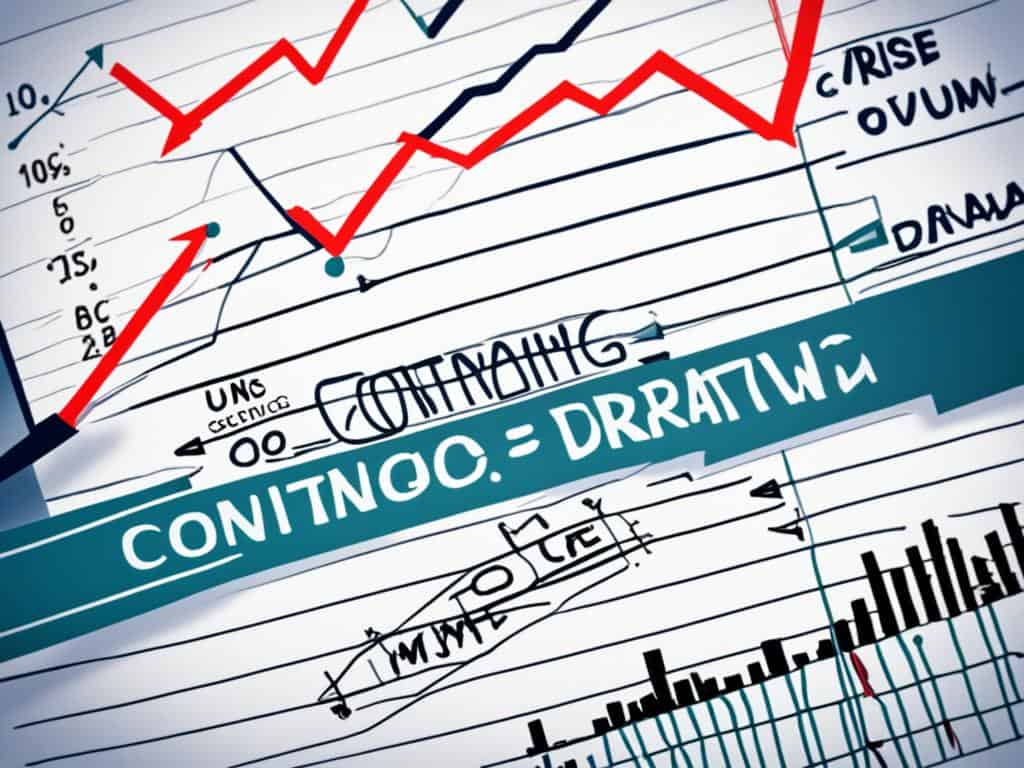
Commodity markets are subject to various risks that investors should be aware of when considering commodity ETFs. Two key terms to understand are contango and backwardation, which describe the relationship between futures prices and the spot price of a commodity.
In contango, futures prices are higher in the future than in the present. This creates a negative roll yield for commodity ETFs, as they must roll their futures contracts forward, selling low and buying high. The expenses associated with this continuous rollover can eat into investment returns.
On the other hand, in backwardation, futures prices are higher now than in the future, resulting in a positive roll yield. This benefits commodity ETFs when they roll their contracts forward.
Investment Strategies to Mitigate Risks
Commodity ETFs employ various investment strategies to mitigate the risks associated with contango. Two common approaches are the laddered approach and the optimized approach.
The laddered approach involves staggering the expiration dates of futures contracts held by the ETF. This helps mitigate the impact of contango as it spreads out the rollover costs and avoids rolling over the entire position at once.
The optimized approach seeks to identify and invest in futures contracts that exhibit a reduced degree of contango. By selecting futures contracts with a narrower cost difference between the spot price and the future price, commodity ETFs can minimize the negative effects of contango on returns.
The Impact of Expenses
Commodity ETFs incur higher expenses compared to other types of ETFs due to the constant rollover of futures contracts. These expenses cover costs such as trading fees, management fees, and operational expenses. Investors should carefully consider these expenses when assessing the potential returns of commodity ETF investments.
Conclusion
Commodity ETFs are a valuable tool for diversifying your investment portfolio and gaining exposure to a wide range of commodities. When considering which type of commodity ETF to choose, it’s crucial to assess your risk tolerance, investment goals, and cost tolerance. Equity-based commodity ETFs offer the advantage of exposure to multiple companies or sectors involved in commodity production, while physically backed funds provide direct ownership of the underlying commodity.
For investors looking to avoid the costs and logistics of holding physical commodities, futures-based ETFs can be an attractive option. These ETFs use futures contracts, forwards, and swap contracts to track the performance of the underlying commodity. They also provide a higher level of liquidity compared to physically backed funds.
Commodity ETFs can serve as an effective hedge against inflation and offer the potential for diversification benefits. However, it’s important for investors to carefully weigh the risks associated with commodity markets. Factors such as contango and backwardation can impact the performance of commodity ETFs, and investors should be aware of the expenses involved in constant futures contract rollovers.
To build a well-rounded investment portfolio, consider incorporating commodity ETFs that align with your risk tolerance, investment goals, and overall diversification strategy. Consult with a financial advisor to help navigate the complexities of the commodities market and determine the best approach to include commodity ETFs in your investment strategy.
FAQ
What are Commodity ETFs?
Commodity ETFs are investment vehicles that provide easy access and exposure to various commodities markets. They can serve as a store of value, hedge against inflation, and offer diversification benefits for investment portfolios.
How do Commodity ETFs work?
Commodity ETFs enable investors to gain exposure to individual commodities or baskets of commodities. They may hold physical commodities, derivatives positions, or stock in companies related to commodities. Different types of Commodity ETFs use various strategies to track commodity performance.
What are the different types of Commodity ETFs?
There are four types of Commodity ETFs. Equity ETFs invest in commodity-related stocks, ETNs are debt instruments seeking to match asset returns, physically backed funds hold physical commodities, and futures-based funds use futures, forwards, and swap contracts on commodities.
What are the risks associated with Commodity ETFs?
Commodity markets can be in contango or backwardation, which can impact Commodity ETFs. Contango can result in negative roll yield, while backwardation can create positive roll yield. Commodity ETFs employ different investment strategies to mitigate roll yield risks. Additionally, Commodity ETFs incur expenses due to the constant rollover of futures contracts.
How can Commodity ETFs benefit investors?
Commodity ETFs provide a way to diversify portfolios and gain exposure to various commodities. The choice of Commodity ETF depends on an individual’s risk tolerance, investment goals, and cost tolerance. Equity-based Commodity ETFs offer exposure to multiple companies or sectors, physically backed funds provide ownership of the commodity, and futures-based ETFs avoid the costs of holding physical commodities. Commodity ETFs can help hedge against inflation and offer diversification benefits, but investors should consider the associated risks and expenses.
Source Links
- https://www.investopedia.com/investing-commodity-etfs-4690946
- https://www.nerdwallet.com/article/investing/commodity-etf
- https://www.investopedia.com/terms/c/commodity-etf.asp
