
Did you know that infrastructure investment in the United States has been on a downward trend for decades? This has had significant implications for the country’s economic growth and development. However, there is hope on the horizon with the Bipartisan Infrastructure Law (BIL) that was signed into law two years ago. This groundbreaking legislation directs $1.2 trillion of federal funds towards transportation, energy, and climate infrastructure projects, aiming to reverse the decline and unlock numerous economic benefits.
Key Takeaways:
- The U.S. has experienced a decline in infrastructure investment over the years.
- The Bipartisan Infrastructure Law (BIL) aims to reverse this trend and direct significant funding towards critical infrastructure projects.
- The BIL focuses on transportation, energy, and climate infrastructure to promote economic growth.
- State and local capital investment has defied the typical trend of falling during economic recoveries, indicating its importance in infrastructure development.
- BIL funding is directed towards states with the lowest-rated infrastructure, aiming for a more equitable distribution of investment.
The Macroeconomic Perspective on Infrastructure Investment
Infrastructure investment in the United States has been on a downward trend for several decades. As the primary source of federal infrastructure funding, state and local capital investment acts as a proxy for overall infrastructure spending. However, the share of state and local budgets allocated to capital investment has declined over the years, with a sharp drop in the 1970s and early 1980s followed by a continuous decline.
The COVID-19 pandemic further impacted state and local capital investment, leading to a decrease in line with the decline in economic output. However, during the subsequent economic recovery, state and local capital investment did not keep pace with the rebound in economic activity. This highlights the need for increased infrastructure investment to support economic growth and recovery.
Since the passage of the Bipartisan Infrastructure Law (BIL), state and local capital investment has experienced a rebound, returning to pre-pandemic levels. This increase in state and local capital investment as a share of spending over the past two years is the largest since 1979. The BIL has played a pivotal role in driving this growth by directing significant funds towards infrastructure projects and prioritizing investment in state and local governments.

This image highlights the importance of state and local capital investment in infrastructure projects. With the implementation of the BIL, state and local governments are now able to allocate more resources towards infrastructure development, ultimately supporting economic growth and job creation.
The Bipartisan Infrastructure Law: Directing Funds to States That Need It Most
Prior to the Bipartisan Infrastructure Law (BIL), infrastructure investment decline was widespread across states. Invest.gov has been tracking the announced funding under the BIL, which has already exceeded $350 billion and is set to benefit over 4,500 communities. The allocation of this funding is strategically concentrated in states that have the lowest-rated public infrastructure, ensuring that the money goes to areas that need it most.
The BIL aims to promote equitable distribution of infrastructure funding by targeting states with the greatest infrastructure needs. This means that regardless of the per capita income levels, states with lower-rated infrastructure receive their fair share of funding. The relationship between BIL funding per capita and household income across states is not significant, indicating that funds are being directed towards lower-income states, regardless of their population size. For example, states such as Alaska, North Dakota, Montana, and Wyoming, which have lower populations, have seen disproportionate BIL funding per capita.
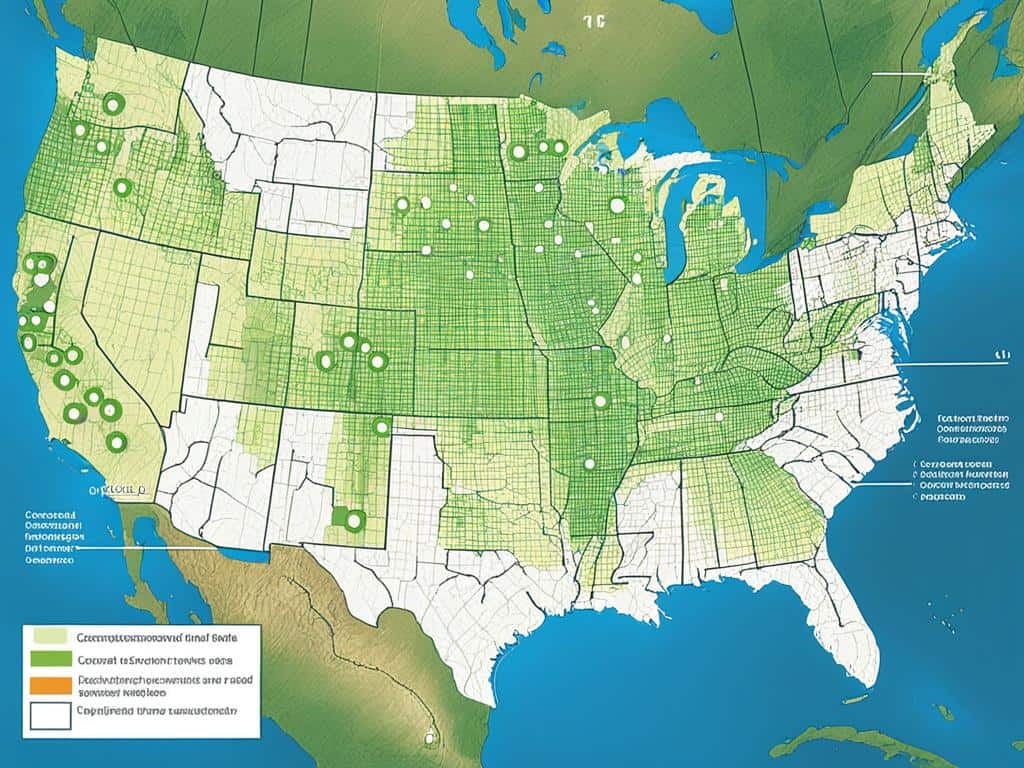
Geographic Distribution of BIL Announcements
The Bipartisan Infrastructure Law (BIL) has sparked a wave of infrastructure investments across all 50 states and territories. The impact of these investments reaches far and wide, delivering tangible benefits to communities nationwide. To showcase the progress and achievements of the BIL, the White House has launched an online map that highlights all the projects and funding awards.
Specifically, the BIL has prioritized investments in regionally-significant projects that have a direct impact on the economic vitality of communities. This includes the development of economically significant bridges, the allocation of mega grants to propel transformative projects forward, and initiatives aimed at enhancing mobility and safety within transportation systems.
The investments made under the BIL not only drive economic growth but also create good-paying jobs. These projects are not just about infrastructure; they are about people and their livelihoods. By investing in transportation systems, the BIL strengthens supply chains and improves the overall quality of infrastructure, benefiting residents and businesses alike.
With BIL funding, communities across the country are seeing an unprecedented flow of resources, recognition, and support. These investments lead to the creation of good-paying jobs, ensuring that hardworking individuals have access to quality employment opportunities. Furthermore, the BIL’s emphasis on transportation systems helps build an efficient and reliable infrastructure backbone, enhancing connectivity and promoting economic prosperity.
The geographic distribution of BIL announcements underscores its commitment to equitable investment, ensuring that regions in need receive the attention and resources necessary for development. By investing in regionally-significant projects, the BIL aims to bridge the infrastructure gap and drive progress in communities that have historically been underserved.
In summary, the BIL has unleashed a wave of infrastructure investment across the United States, transforming communities and fueling economic growth. From economically significant bridges to commendable mega grants, these projects are paving the way for a brighter future. The BIL not only generates good-paying jobs but also improves transportation systems, benefiting residents and businesses alike. This comprehensive approach to infrastructure development showcases the commitment to equitable investment, ensuring that every region can thrive and prosper.
BIL Announcements and Impact
Here is a summary of the key features and impacts of the BIL:
| Infrastructure Investments | Wide range of projects across all 50 states and territories. |
| Regionally-Significant Projects | Focus on projects that stimulate economic vitality and growth. |
| Awards and Recognition | Resourced funded and awarded to communities in need. |
| Good-Paying Jobs | Creation of employment opportunities for hardworking individuals. |
| Transportation Systems | Investments to enhance connectivity and promote economic prosperity. |
The Resiliency and Clean Energy Focus of the BIL
The Bipartisan Infrastructure Law (BIL) goes beyond traditional infrastructure investments by addressing the pressing need for resiliency and clean energy solutions in the face of climate change and cybersecurity risks. This forward-thinking legislation aims to protect communities from the impacts of climate change, including extreme weather events, droughts, and cyber-attacks.
With an unprecedented focus on clean energy infrastructure, the BIL is the largest investment in its kind in American history. It allocates substantial funding to modernize the power grid, making it more efficient, reliable, and flexible. By upgrading homes and businesses for clean energy, this legislation accelerates the transition to a sustainable future while creating job opportunities.

In addition to modernizing the power grid, the BIL supports the development of cutting-edge clean energy technologies. By investing in research and innovation, the legislation aims to drive advancements in renewable energy generation, energy storage, and grid optimization.
The focus on resiliency and clean energy within the BIL aligns with the urgent need to combat climate change and reduce greenhouse gas emissions. By investing in sustainable infrastructure, the United States can take significant strides towards achieving its environmental goals and mitigating the impacts of climate change on communities nationwide.
Investing in Water Infrastructure and Environmental Remediation
The Bipartisan Infrastructure Law (BIL) recognizes the urgent need to invest in drinking water and wastewater infrastructure to ensure the well-being and safety of all Americans. Currently, millions of people in the United States lack access to reliable and clean drinking water, while inadequate wastewater infrastructure poses significant health and environmental threats. The BIL addresses these critical issues by providing the necessary funding and resources to address these challenges and improve the nation’s water infrastructure.
One of the key priorities of the BIL is to deliver clean and safe drinking water to every American family. This investment aims to eliminate the presence of lead service lines, which have been a persistent concern for public health. Lead service lines can contaminate the drinking water supply and pose severe health risks, especially for children and vulnerable populations.
Furthermore, the BIL recognizes the importance of environmental remediation in restoring and protecting the nation’s natural resources. Legacy pollution is a significant challenge that requires comprehensive efforts to clean up contaminated sites and mitigate environmental damage. Through environmental remediation initiatives, the BIL aims to address the consequences of past industrial activities and promote environmental justice.
By investing in water infrastructure and environmental remediation, the BIL seeks to improve the quality of life for all Americans. Access to clean drinking water is a fundamental requirement for public health, and proper wastewater infrastructure is essential for maintaining the integrity of our environment. The implementation of the BIL will result in a safer and healthier future by ensuring the provision of safe drinking water and addressing the legacy pollution that has affected communities nationwide.
Bridging the Digital Divide with Broadband Investments
The Bipartisan Infrastructure Law (BIL) includes a historic investment in broadband infrastructure deployment, aiming to bridge the digital divide and ensure that every American has access to reliable high-speed internet. In today’s interconnected world, internet access plays a crucial role in equitable participation in work, education, healthcare, and staying connected with loved ones.
Access to high-speed internet is not a luxury but a necessity, especially in rural areas and underserved communities. The BIL recognizes the significance of affordable internet access and addresses the issue of high broadband costs. By investing in broadband infrastructure, the legislation aims to lower prices for internet service and improve internet access for all Americans.
The digital divide refers to the gap between those who have access to the internet and those who don’t. This divide disproportionately affects marginalized communities, exacerbating existing socio-economic disparities. The BIL’s focus on broadband investments aims to close the digital divide and ensure equal opportunities for all.
Improving internet access is essential for:
- Work: Access to high-speed internet enables remote work, expands job opportunities, and enhances productivity.
- Education: Reliable internet access allows students to access online resources, engage in remote learning, and bridge the educational gap.
- Healthcare: Telemedicine and digital health services rely on high-speed internet, enabling access to quality healthcare for all.
- Staying Connected: In today’s digital age, the internet is crucial for staying connected with friends, family, and the broader community.
The BIL addresses broadband affordability and infrastructure gaps:
- The legislation allocates significant funds to expand broadband infrastructure, particularly in areas that currently lack adequate coverage.
- By investing in broadband network expansion, the BIL aims to enhance connectivity and reduce disparities in internet access across the nation.
- Improved broadband infrastructure will help bridge the digital divide and empower individuals and communities.
The BIL’s investment in broadband infrastructure is a crucial step towards achieving equitable internet access for all Americans. By bridging the digital divide, the legislation paves the way for increased opportunities, economic growth, and a more connected society.
Conclusion
The Bipartisan Infrastructure Law (BIL) represents a crucial milestone in the United States’ effort to combat the decline in infrastructure investment. Through substantial funding allocation, this law has paved the way for critical infrastructure projects, fostering economic growth and job creation. Furthermore, by prioritizing investments in regions with the greatest needs, the BIL has achieved a more equitable distribution of infrastructure funding.
The BIL’s focus on resiliency, clean energy, water infrastructure, and broadband investments positions the United States to thrive in the 21st century. By embracing these initiatives and navigating infrastructure development effectively, we can forge a stronger and more inclusive future for all. The BIL’s commitment to infrastructure development promises progress, economic growth, and the creation of numerous job opportunities.
With the BIL’s equitable investment approach and its emphasis on infrastructure development, the United States has taken a giant leap forward. By investing in resilient infrastructure, clean energy systems, water infrastructure, and reliable broadband networks, the country ensures its preparedness for future challenges. Together, we can drive economic growth, foster job creation, and create a more equitable society through our commitment to infrastructure development.
FAQ
How has infrastructure investment in the United States been trending?
Infrastructure investment in the United States has seen a decline in recent decades. However, the Bipartisan Infrastructure Law (BIL) has directed significant funds towards infrastructure projects, which is expected to reverse this trend and lead to economic benefits.
What is the Bipartisan Infrastructure Law (BIL)?
The Bipartisan Infrastructure Law (BIL) is a legislation signed into law two years ago, directing
FAQ
How has infrastructure investment in the United States been trending?
Infrastructure investment in the United States has seen a decline in recent decades. However, the Bipartisan Infrastructure Law (BIL) has directed significant funds towards infrastructure projects, which is expected to reverse this trend and lead to economic benefits.
What is the Bipartisan Infrastructure Law (BIL)?
The Bipartisan Infrastructure Law (BIL) is a legislation signed into law two years ago, directing $1.2 trillion of federal funds towards transportation, energy, and climate infrastructure projects in the United States.
How does state and local capital investment contribute to infrastructure spending?
State and local capital investment, which is a major component of infrastructure spending, has grown as a share of state and local spending over the past two years. This defies the typical trend of falling during economic recoveries.
How has the Bipartisan Infrastructure Law (BIL) impacted state and local capital investment?
Since the passage of the BIL, state and local capital investment has rebounded, returning to pre-pandemic levels. This increase in state and local capital investment as a share of spending is the largest since 1979.
How is the distribution of BIL funding determined?
The BIL funding is directed towards states with the lowest-rated infrastructure, ensuring that the money goes to areas that need it most. The relationship between BIL funding per capita and household income across states is not significant, indicating that funds are being directed toward lower-income states.
What types of infrastructure investments have been made through the BIL?
The BIL has led to a wide range of infrastructure investments across all 50 states and territories. Specific investments have been made in economically significant bridges, mega grants, and projects that improve mobility and safety in transportation systems.
How does the BIL address climate change and other hazards?
The BIL includes provisions for investing in infrastructure that can withstand climate change, cybersecurity risks, and other hazards. This investment aims to protect communities from the impacts of climate change and focuses on clean energy infrastructure.
What does the BIL do for drinking water and wastewater infrastructure?
The BIL addresses the critical need for investments in drinking water and wastewater infrastructure. It provides funding to deliver clean drinking water to all American families, eliminate lead service lines, and supports environmental remediation efforts.
How does the BIL aim to bridge the digital divide?
The BIL includes a historic investment in broadband infrastructure deployment to ensure that every American has access to reliable high-speed internet. It aims to lower prices for internet service, close the digital divide, and improve internet access for all Americans, especially those in rural areas.
.2 trillion of federal funds towards transportation, energy, and climate infrastructure projects in the United States.
How does state and local capital investment contribute to infrastructure spending?
State and local capital investment, which is a major component of infrastructure spending, has grown as a share of state and local spending over the past two years. This defies the typical trend of falling during economic recoveries.
How has the Bipartisan Infrastructure Law (BIL) impacted state and local capital investment?
Since the passage of the BIL, state and local capital investment has rebounded, returning to pre-pandemic levels. This increase in state and local capital investment as a share of spending is the largest since 1979.
How is the distribution of BIL funding determined?
The BIL funding is directed towards states with the lowest-rated infrastructure, ensuring that the money goes to areas that need it most. The relationship between BIL funding per capita and household income across states is not significant, indicating that funds are being directed toward lower-income states.
What types of infrastructure investments have been made through the BIL?
The BIL has led to a wide range of infrastructure investments across all 50 states and territories. Specific investments have been made in economically significant bridges, mega grants, and projects that improve mobility and safety in transportation systems.
How does the BIL address climate change and other hazards?
The BIL includes provisions for investing in infrastructure that can withstand climate change, cybersecurity risks, and other hazards. This investment aims to protect communities from the impacts of climate change and focuses on clean energy infrastructure.
What does the BIL do for drinking water and wastewater infrastructure?
The BIL addresses the critical need for investments in drinking water and wastewater infrastructure. It provides funding to deliver clean drinking water to all American families, eliminate lead service lines, and supports environmental remediation efforts.
How does the BIL aim to bridge the digital divide?
The BIL includes a historic investment in broadband infrastructure deployment to ensure that every American has access to reliable high-speed internet. It aims to lower prices for internet service, close the digital divide, and improve internet access for all Americans, especially those in rural areas.
Source Links
- https://www.whitehouse.gov/briefing-room/statements-releases/2023/02/08/fact-sheet-white-house-highlights-infrastructure-progress-in-every-corner-of-the-country-updates-state-by-state-fact-sheets/
- https://www.whitehouse.gov/build/guidebook/
- https://home.treasury.gov/news/featured-stories/infrastructure-investment-in-the-united-states
