It was a hot summer day, and I found myself staring at an unusually high energy bill. As I traced the numbers, I couldn’t help but feel frustrated. I knew I had to find a way to reduce my bills and minimize my environmental footprint.
That’s when I discovered the power of energy efficient appliances. Upgrading my old, energy-hungry appliances with new, energy efficient models seemed like the perfect solution. Not only could I update my home with cutting-edge technology, but I could also make a positive impact on my wallet and the planet.
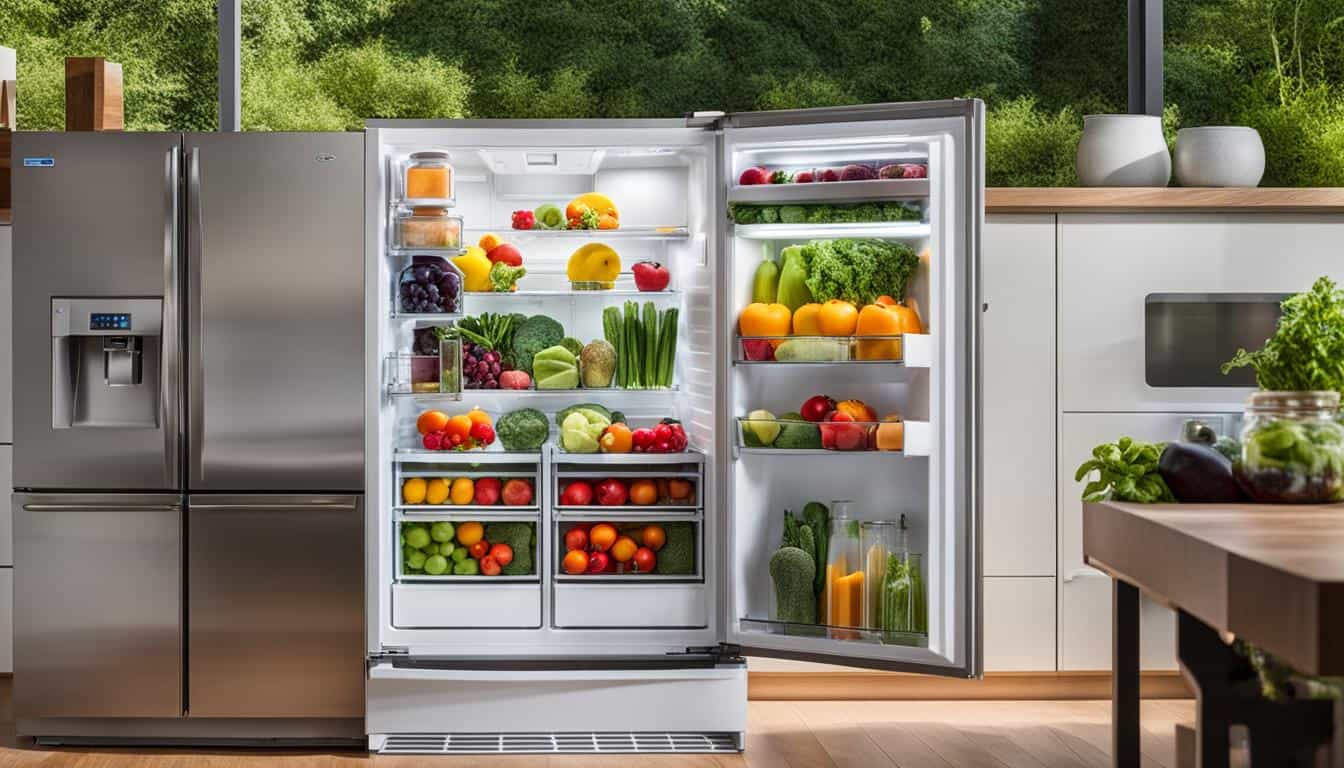
Among all the appliances in my home, my refrigerator was the biggest energy user. I learned that replacing it with an ENERGY STAR-certified refrigerator could make a significant difference. These refrigerators are about 9% more energy efficient than models that meet the minimum energy efficiency standards.
Curious about the potential savings, I delved deeper into the research. I discovered that an ENERGY STAR-certified refrigerator could save me more than $220 over a 12-year lifetime. That’s money that I could use for other important things in my life, all while reducing my bills and shrinking my environmental footprint.
Now, I want to share my knowledge and experiences with you. In this article, I will explain the benefits of choosing energy efficient appliances, particularly refrigerators. You’ll learn why ENERGY STAR-certified appliances are the way to go, how to make an informed purchase, and the importance of routine maintenance. Let’s embark on this journey together and discover how we can maximize savings while making a positive impact on the environment.
Why Should You Choose ENERGY STAR-Certified Appliances?
When it comes to choosing appliances for your home, opting for ENERGY STAR-certified models can provide you with multiple advantages. These appliances, including refrigerators, are specifically designed to prioritize energy savings without compromising on features or performance. In fact, ENERGY STAR-certified appliances are approximately 9% more energy efficient than their non-certified counterparts, allowing you to reap the benefits of lower energy consumption and reduced utility bills.
One key example of an ENERGY STAR-certified appliance is the refrigerator. These refrigerators integrate high-efficiency compressors, improved insulation, and advanced temperature and defrost mechanisms to operate at optimal levels of energy efficiency. By using these cutting-edge technologies, ENERGY STAR-certified refrigerators help minimize energy waste while delivering the same level of cooling and freshness that you expect.
Moreover, ENERGY STAR-certified appliances contribute to environmental protection by utilizing refrigerants with a lower global warming potential. By reducing greenhouse gas emissions and minimizing their impact on the environment, these appliances play a vital role in preserving our planet for future generations.
Make the sustainable choice. Choose ENERGY STAR-certified appliances for comprehensive energy savings, environmental protection, and access to the latest advancements in appliance technology.
Key Benefits of ENERGY STAR-Certified Appliances:
- Significant energy savings compared to non-certified models
- Technologically advanced features without sacrificing performance
- High-efficiency compressors for improved cooling
- Enhanced insulation for better temperature regulation
- Temperature and defrost mechanisms optimized for energy efficiency
- Lower global warming potential refrigerants for reduced environmental impact
Tips for Purchasing an Energy Efficient Refrigerator
When looking to buy an energy efficient refrigerator, there are several key factors to consider. By following these guidelines, you can ensure that you make an informed decision and optimize the performance of your new appliance.
- Choose the Right Size: Select a refrigerator size that suits your household’s needs. Keep in mind that larger refrigerators tend to consume more energy. Opting for a size that matches your requirements will prevent unnecessary energy waste.
- Freezer Location: Consider models with the freezer on top, as they typically use less energy compared to those with freezers on the bottom or side-by-sides. This efficient design helps to minimize energy consumption.
- Minimize Air Leakage: Look for refrigerators with fewer doors, as they tend to have better seals and minimize air leakage. Checking the seals around the doors is crucial to ensure optimal energy efficiency.
- Choose ENERGY STAR Certification: When selecting a refrigerator, prioritize ENERGY STAR-certified models. These appliances meet strict energy efficiency standards and are designed to reduce energy consumption. Opting for an ENERGY STAR-certified refrigerator can result in significant energy savings and a smaller environmental impact.
- Consider Global Warming Potential (GWP) Refrigerant: A refrigerator’s refrigerant plays a role in its environmental impact. Look for models with a lower Global Warming Potential (GWP) refrigerant, as it helps to minimize greenhouse gas emissions and contribute to a more sustainable future.
- Avoid Keeping Old Refrigerators: It’s important not to keep an old refrigerator as a second one, as it can significantly increase energy consumption. Instead, consider proper recycling methods for the old refrigerator to minimize environmental impact.
By following these buying guidance tips, you can optimize the performance of your energy efficient refrigerator and enjoy the benefits of energy savings.
Maintaining an Energy Efficient Refrigerator
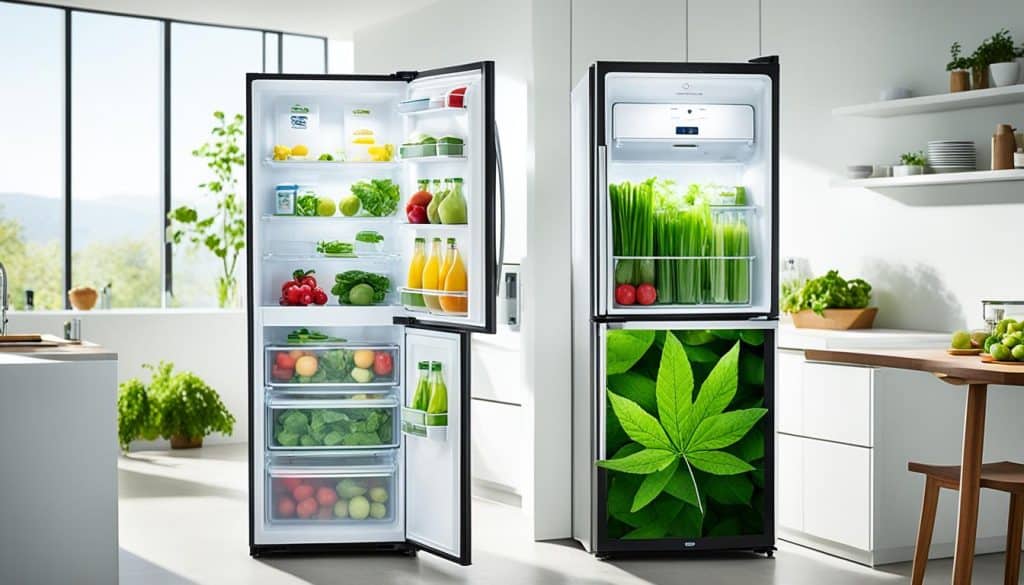
Regular maintenance is crucial for keeping your refrigerator energy efficient. By following simple routine maintenance tasks, you can ensure that your refrigerator operates at its optimal level, saving you energy and money in the long run.
1. Cleaning the Coils
One important maintenance task is cleaning the refrigerator coils every six months to a year. Over time, dirt, lint, and pet hair can accumulate on the coils, hindering proper cooling and causing your refrigerator to work harder. Cleaning the coils will improve energy efficiency and extend the lifespan of your appliance.
To clean the coils, follow these steps:
- Unplug the refrigerator and locate the coils. They are usually located either at the back or underneath the appliance.
- Use a vacuum cleaner with a brush attachment or a coil cleaning brush to gently remove any dirt or dust from the coils. Be careful not to damage the coils while cleaning.
- After cleaning, plug the refrigerator back in and ensure that it is properly cooled before placing food back inside.
2. Proper Placement
Properly placing your refrigerator can also contribute to its energy efficiency. Avoid placing the refrigerator or freezer near direct heat sources, such as sunlight or ovens. Heat sources can cause the appliance to work harder to maintain its desired temperature, leading to increased energy consumption.
Additionally, make sure that there is sufficient space around the refrigerator for proper airflow. Allow at least two inches of clearance on all sides and ensure that there is adequate ventilation at the back of the appliance.
3. Regular Filter Changes
If your refrigerator has in-the-door ice and water dispensers, it is important to change the water and air filters regularly. These filters help maintain the quality of the water and air, ensuring that you have clean and fresh supplies.
Check your refrigerator’s user manual or manufacturer’s instructions for the recommended filter change schedule and instructions on how to replace the filters.
By following these maintenance tips, including cleaning the coils, proper placement, and regular filter changes, you can ensure that your refrigerator operates efficiently, saving energy and maximizing its lifespan.
The Importance of Energy Efficiency
Energy efficiency plays a crucial role in reducing energy waste, lowering energy costs, and combating climate change. By using less energy to accomplish the same tasks, energy efficiency helps to eliminate unnecessary energy consumption and reduce greenhouse gas emissions.
There are many products and systems that contribute to energy efficiency in homes and buildings. For example, energy-efficient light bulbs, such as LED bulbs, significantly reduce energy consumption and have a longer lifespan compared to traditional incandescent bulbs. Installing energy-efficient windows and insulation can improve thermal performance, reducing the need for heating and cooling and further reducing energy waste.
Image: 
Smart thermostats are another valuable tool in promoting energy efficiency. These devices allow homeowners to schedule temperature adjustments, optimize heating and cooling, and monitor energy usage. By intelligently managing energy consumption, smart thermostats can help reduce waste and lower energy bills.
Energy efficiency not only saves money for consumers and businesses but also has positive environmental impacts. By reducing energy waste, energy efficiency helps combat climate change by lowering greenhouse gas emissions. It enhances air quality by reducing the need for fossil fuel combustion and decreasing pollution levels. Additionally, energy-efficient buildings contribute to overall environmental sustainability by reducing natural resource consumption and minimizing the strain on local infrastructure.
To promote energy efficiency, it is crucial to raise awareness and educate individuals, businesses, and communities about the benefits and available solutions. Governments, organizations, and individuals should prioritize energy efficiency by adopting energy-saving practices, investing in energy-efficient technologies, and supporting policies and initiatives that incentivize energy conservation.
Key Takeaways:
- Energy efficiency reduces energy waste, lowers energy costs, and mitigates climate change.
- Energy-efficient products such as light bulbs, windows, insulation, and smart thermostats contribute to energy efficiency in homes and buildings.
- Energy efficiency saves money, improves air quality, and fosters environmental sustainability.
Tips for Improving Energy Efficiency in Your Home
Improving energy efficiency in your home not only helps reduce energy waste but also leads to significant cost savings. By implementing simple yet effective strategies, you can make your home more energy-efficient and environmentally friendly. Here are some practical tips to get you started:
- Switch to energy-efficient LED light bulbs: Replace traditional incandescent bulbs with LED bulbs, which use significantly less energy and last longer.
- Wash clothes in cold water: Opt for cold water settings when doing laundry, as heating water accounts for a significant portion of energy usage.
- Seal cracks and gaps: Properly insulate your home by sealing any cracks or gaps in windows, doors, and walls to prevent air leaks and improve energy efficiency.
- Regularly clean or replace filters: Keep your HVAC system running efficiently by cleaning or replacing filters regularly, which helps improve airflow and reduces energy consumption.
- Use appliances like microwaves instead of stoves: When possible, use smaller appliances like microwaves and toaster ovens that consume less energy compared to larger stoves and ovens.
- Defrost refrigerators and freezers: Regularly defrost your refrigerator and freezer to prevent ice buildup, as excess ice reduces energy efficiency.
To further maximize energy efficiency in your home, consider the following additional tips:
- Close blinds and shades during warmer months: Keep your home cool by closing blinds and shades during the hottest parts of the day to reduce the need for excessive air conditioning.
- Use natural light when possible: Take advantage of natural light during the day by opening curtains or blinds, reducing the need for artificial lighting.
- Use smart thermostats to adjust temperatures: Install a smart thermostat to automatically adjust the temperature based on occupancy patterns, saving energy and optimizing comfort.
- Turn off electronics when not in use: Remember to turn off electronics, such as televisions, computers, and chargers, when they are not being used to avoid unnecessary energy consumption.
By implementing these energy efficiency tips, you can reduce energy waste, lower your energy bills, and contribute to a more sustainable future. Start making small changes today and enjoy the benefits of cost savings and environmental impact.
The Benefits of Energy Efficiency for Businesses
Energy efficiency is a crucial consideration for businesses, as it offers significant cost savings and environmental benefits. By implementing energy-efficient measures, businesses can lower energy bills, reduce their environmental impact, and contribute to a more sustainable future.
One of the key advantages of energy efficiency for businesses is the potential for cost savings. ENERGY STAR-certified buildings use 35% less energy compared to typical buildings, resulting in reduced operating costs. These savings can be substantial, allowing businesses to allocate resources to other areas of operation and invest in growth and innovation.
Furthermore, improved energy efficiency can enhance a business’s bottom line and competitiveness. By reducing energy consumption, businesses can increase their profitability by lowering expenses and improving overall productivity. Energy-efficient technologies and practices also demonstrate a commitment to sustainability, which can enhance a business’s reputation and attract environmentally conscious customers and investors.
Implementing energy-efficient measures in businesses is not limited to any specific industry or size. Various aspects of business operations can be optimized for energy efficiency, including lighting, heating and cooling systems, and energy management practices. Switching to efficient lighting solutions, such as LED bulbs, can result in significant energy savings. Upgrading to high-efficiency heating and cooling systems can also lead to reduced energy consumption and improved comfort for employees and customers.
Smart energy management systems and controls play a vital role in maximizing energy efficiency in businesses. These systems allow for precise monitoring and control of energy usage, enabling businesses to identify areas of waste and implement strategies to optimize performance. By leveraging technology and data, businesses can make informed decisions that result in energy savings and decreased environmental impact.
Overall, energy efficiency is a win-win situation for businesses. It not only offers significant cost savings but also reduces the environmental impact. By investing in energy-efficient technologies and practices, businesses can pave the way towards a sustainable future, enhancing their financial viability and contributing to a cleaner and greener planet.
Conclusion
Upgrading to energy efficient appliances, particularly refrigerators, is a smart choice for both your wallet and the environment. By choosing ENERGY STAR-certified models, you can enjoy higher energy efficiency, substantial cost savings, and advanced features.
When purchasing an energy efficient refrigerator, consider important factors such as size, freezer location, number of doors, and type of refrigerant used. These choices can have a significant impact on the overall energy efficiency of the appliance.
Proper maintenance, including regular cleaning of coils and placing the refrigerator away from direct heat sources, is essential for optimal energy efficiency. By taking these simple steps, you can maximize your savings on energy bills and reduce your environmental footprint.
Remember, energy efficiency goes beyond appliances. It encompasses various measures in homes and businesses. By implementing energy-saving tips, both individuals and organizations can contribute to a more sustainable future while enjoying the benefits of cost savings.
FAQ
How can energy efficient appliances help reduce bills and environmental footprint?
Energy efficient appliances, such as refrigerators, consume less energy and can lead to substantial savings on energy bills. By upgrading to ENERGY STAR-certified models, you can maximize energy efficiency and reduce your environmental footprint.
Why should I choose ENERGY STAR-certified appliances?
ENERGY STAR-certified appliances, including refrigerators, are about 9% more energy efficient than non-certified models. They offer energy savings, environmental protection, and cutting-edge technology without sacrificing features.
What factors should I consider when purchasing an energy efficient refrigerator?
When buying an energy efficient refrigerator, consider the size that suits your household’s needs, the location of the freezer, the number of doors, and the type of refrigerant used. Choosing an ENERGY STAR-certified model with a lower Global Warming Potential (GWP) refrigerant can also help minimize environmental impact.
How can I maintain an energy efficient refrigerator?
Routine maintenance is crucial for optimal energy efficiency. Clean the refrigerator coils every six months to a year to remove dirt that can hinder proper cooling. Keep the refrigerator or freezer away from direct heat sources and regularly change water and air filters, especially for models with in-the-door ice and water dispensers.
What is the importance of energy efficiency?
Energy efficiency plays a crucial role in reducing energy waste, lowering energy costs, and combating climate change. By using less energy to accomplish the same tasks, energy efficiency helps to eliminate unnecessary energy consumption and reduce greenhouse gas emissions.
What are some tips for improving energy efficiency in my home?
You can improve energy efficiency in your home by switching to energy-efficient LED light bulbs, washing clothes in cold water, sealing cracks and gaps, using appliances like microwaves instead of stoves, and defrosting refrigerators and freezers. Other tips include closing blinds and shades during warmer months, using natural light when possible, using smart thermostats to adjust temperatures, and turning off electronics when not in use.
What are the benefits of energy efficiency for businesses?
Energy efficiency offers significant cost savings and environmental benefits for businesses. ENERGY STAR-certified buildings use 35% less energy than typical buildings, leading to reduced operating costs. By investing in energy-efficient technologies and practices, businesses can lower energy bills, reduce their environmental impact, and enhance their bottom line and competitiveness.
How can energy efficient appliances contribute to savings and environmental sustainability?
By upgrading to energy efficient appliances, particularly refrigerators, you can achieve substantial savings on energy bills while reducing your environmental footprint. ENERGY STAR-certified models offer higher energy efficiency, cost savings, and advanced features. Implementing energy-saving tips in homes and businesses can contribute to a more sustainable future and enjoy the benefits of cost savings.
Source Links
- https://www.energy.gov/energysaver/purchasing-and-maintaining-refrigerators-and-freezers
- https://www.energystar.gov/about/how_energy_star_protects_environment/energy_efficiency
- https://www.directenergy.com/learning-center/25-energy-efficiency-tips
