
Did you know that the construction industry is responsible for almost 40% of global energy-related carbon dioxide emissions?
In our pursuit of sustainable development, it becomes imperative to address the environmental impact of construction practices. Eco-smart buildings offer a solution that integrates advanced technologies and eco-friendly construction practices to create intelligent, energy-efficient, and environmentally sustainable structures.
Key Takeaways:
- Eco-smart buildings merge advanced technologies with eco-friendly construction practices.
- They aim to reduce energy consumption and environmental impact in the construction industry.
- Eco-smart buildings utilize interconnected systems, sensors, and data-driven strategies.
- These buildings optimize energy efficiency, enhance occupant comfort, and streamline operations.
- The rise of eco-smart buildings represents a significant evolution in architecture and design, promoting a sustainable and resilient built environment.
What are Smart Buildings and How Do They Work?
Smart buildings are revolutionizing the way we design, construct, and manage our built environment. These innovative structures are equipped with advanced technologies and integrated systems that optimize energy efficiency, enhance occupant comfort, and streamline operations. By leveraging data-driven strategies, smart buildings create a seamless and sustainable ecosystem where technology and sustainability intersect.
At the heart of a smart building are sensors that collect data on various aspects such as temperature, humidity, occupancy, and energy consumption. These sensors act as the eyes and ears of the building, continuously monitoring and analyzing the environment. This data is then used to make informed decisions and automate processes, such as adjusting HVAC settings, optimizing lighting, or managing energy usage.
By integrating these systems, smart buildings improve energy efficiency, reducing consumption and costs. Occupant comfort is also prioritized through personalized settings and real-time monitoring, ensuring a pleasant and productive environment. For example, smart buildings can automatically adjust lighting and temperature levels based on occupancy patterns, providing a comfortable space while minimizing wastage.
The Benefits of Smart Buildings
Smart buildings offer a range of benefits, including:
- Energy efficiency: Integrated systems and data analytics enable optimized energy consumption and reduce environmental impact.
- Occupant comfort: Personalized settings and real-time monitoring create a comfortable and productive environment.
- Operational efficiency: Automation streamlines processes, reduces manual intervention, and improves overall operational efficiency.
- Cost savings: Energy-efficient systems and predictive maintenance decrease utility costs and prolong equipment lifespan.
- Sustainability: By minimizing energy consumption and emissions, smart buildings contribute to a greener and more sustainable future.
With the smart building market projected to experience significant growth, the potential for creating sustainable, efficient, and comfortable spaces is immense. As technology continues to advance and connectivity becomes more ubiquitous, the integration of smart systems in buildings will become increasingly accessible and desirable.
The Difference Between a Smart Home and a Smart Building
A smart home and a smart building may sound similar, but they have distinct differences in terms of scale, purpose, and the systems they integrate. Understanding these differences is essential for anyone interested in exploring the world of smart technology in residential and commercial properties.
Let’s start by defining a smart home. A smart home is a concept that focuses on integrating smart devices and systems within a residential setting. The objective of a smart home is to enhance comfort and convenience for homeowners through automation and connectivity. With the use of intelligent technologies, homeowners can control various aspects of their home, such as lighting, temperature, entertainment systems, and security, through their smartphones or voice commands.
On the other hand, a smart building refers to a commercial or industrial property that leverages intelligent systems and technologies to optimize building operations and create a sustainable environment. Unlike a smart home, which caters to individual homeowners, a smart building is designed to serve a larger community or workplace. These buildings integrate advanced systems for energy management, security, HVAC (heating, ventilation, and air conditioning), and building automation to enhance efficiency, reduce costs, and provide a comfortable environment for occupants.
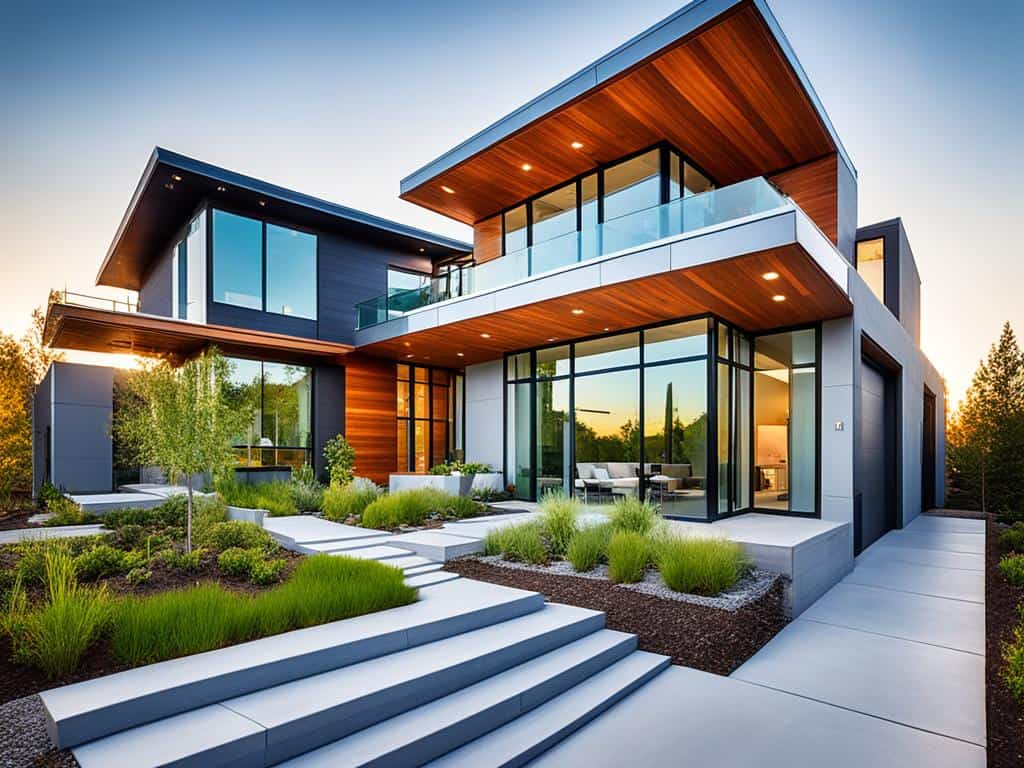
Residential properties, such as apartments, houses, or condominiums, are typically transformed into smart homes. These homes integrate technologies such as smart thermostats, smart lighting, voice assistants, and security systems to enhance the overall living experience. The focus is on personalizing the home environment and making daily tasks more convenient and efficient for the residents.
On the other hand, commercial buildings, such as offices, retail spaces, or hospitals, are examples of smart buildings. These buildings incorporate complex systems and technologies to optimize energy consumption, manage security/access control, and streamline operations. The integration of intelligent systems allows for centralized control and monitoring of various building elements, such as lighting, HVAC, occupancy, and energy usage.
It is crucial to note that the scale of a smart building is usually much larger than that of a smart home. While a smart home caters to the needs of a single household, a smart building serves a larger community or organization. The systems implemented in smart buildings are designed to handle the complexity and demands of a commercial or industrial setting.
In summary, smart homes and smart buildings are both examples of how technology can enhance our living and working environments. However, they differ in terms of scale, purpose, and the systems they integrate. Whether you are interested in turning your residence into a smart home or exploring the possibilities of implementing smart technology in commercial buildings, understanding these differences is essential in making informed decisions for your specific needs.
Infrastructure Elements of a Smart Building
In order for a building to be considered “smart,” it must have a robust infrastructure that enables seamless connectivity and intelligent automation. Various interconnected elements work together to create this infrastructure, providing the foundation for a truly smart and efficient building.
Sensors and IoT Devices
Sensors play a critical role in smart buildings, collecting data on various environmental parameters such as temperature, humidity, occupancy, and energy consumption. These sensors are connected to the Internet of Things (IoT) devices, creating a network of interconnected devices that continuously gather and transmit data in real-time.
Data Analytics and Artificial Intelligence
The data collected by sensors and IoT devices is then processed and analyzed using advanced data analytics techniques. By leveraging the power of artificial intelligence (AI), smart buildings can generate actionable insights and make data-driven decisions. AI algorithms can optimize energy consumption, predict maintenance needs, and enhance overall operational efficiency.
Building Management Systems
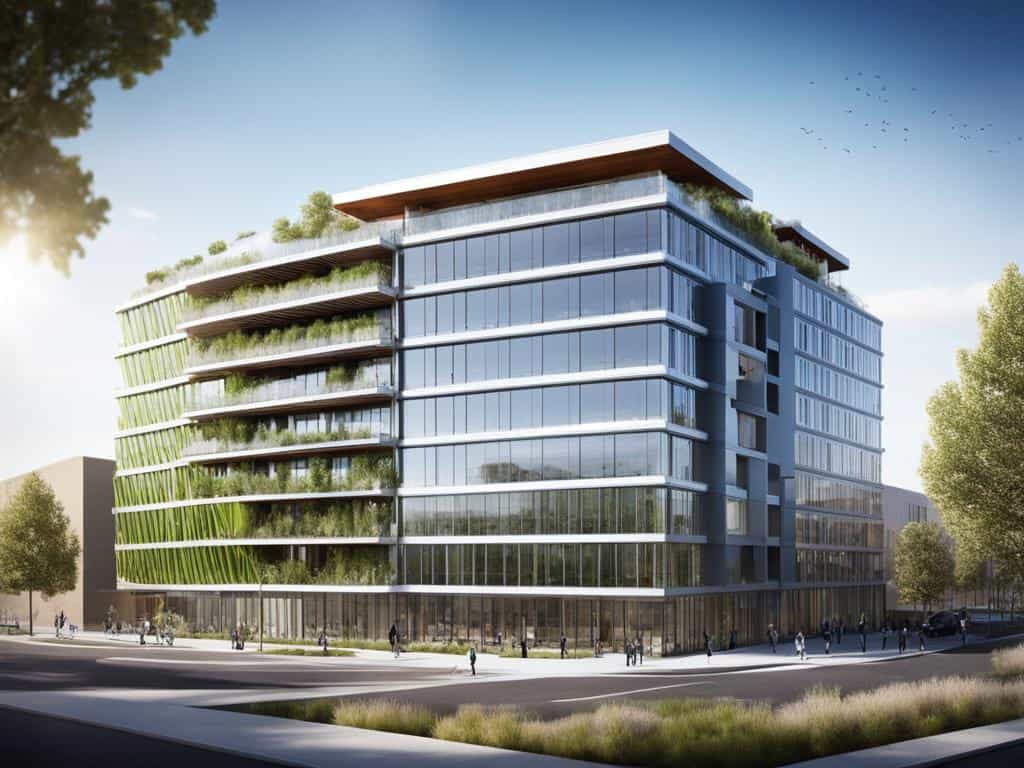
Building Management Systems (BMS) act as the central hub of a smart building, integrating and controlling various systems and subsystems. These systems can monitor and manage lighting, HVAC (heating, ventilation, and air conditioning), security, and other building operations. BMS enables centralized control and automation, optimizing the use of resources and improving occupant comfort.
Connectivity Infrastructure
A strong and reliable connectivity infrastructure is essential for a smart building to enable seamless communication and data transfer between devices. High-speed internet connections, wired and wireless networks, and protocols such as Wi-Fi, Bluetooth, and Zigbee are used to establish a robust connectivity infrastructure within the building.
Cloud Computing
Cloud computing provides the storage and computational power required to manage and analyze the massive amount of data generated by smart buildings. Cloud-based platforms enable remote monitoring, data storage, and analysis, allowing building operators and managers to access critical information and make informed decisions from anywhere.
Energy Management Systems
Energy management systems are instrumental in optimizing energy consumption and reducing waste in smart buildings. These systems monitor and control energy usage based on real-time data, adjusting lighting, HVAC settings, and other energy-intensive systems to ensure efficient operation while maintaining occupant comfort.
Human-Machine Interfaces
Human-machine interfaces (HMIs) provide intuitive and user-friendly interfaces for occupants and facility managers to interact with the smart building systems. Touchscreens, mobile apps, voice commands, and other user-friendly interfaces allow occupants to control and monitor various aspects of the building, enhancing convenience and comfort.
Security Systems
Security is a crucial aspect of smart buildings, and advanced security systems are implemented to protect occupants and assets. Access control systems, surveillance cameras, and intrusion detection systems ensure secure entry and monitor activities within the building. Biometric authentication and mobile credentials provide secure access to authorized personnel while minimizing the risk of unauthorized entry.
Security and Safety in Smart Buildings
In smart buildings, security and safety are of utmost importance. These buildings are equipped with advanced access control systems to prevent unauthorized access and protect the premises. One crucial component of access control is biometric authentication, which uses unique physiological or behavioral characteristics to verify identity. By scanning fingerprints, retinas, or facial features, biometric authentication ensures that only authorized individuals can enter specific areas of the building.
In addition to biometric authentication, smart buildings employ smart cards and mobile credentials for secure and convenient access. These physical or virtual credentials allow authorized personnel to enter designated areas, reducing the risk of unauthorized individuals gaining entry. By integrating these access control systems, smart buildings enhance security, protect privacy, and ensure the safety of occupants and valuable assets.
Examples of Eco-Friendly Architecture Around the World
When it comes to eco-friendly architecture, there are numerous impressive examples around the world that showcase sustainable materials, energy efficiency, and renewable energy integration.
The Edge, Amsterdam
One notable example is The Edge in Amsterdam, renowned for its energy-efficient design and innovative energy management system. This futuristic building utilizes various sustainable features, including smart lighting, occupancy sensors, and state-of-the-art climate control systems. It maximizes natural light utilization and incorporates renewable energy sources, resulting in reduced energy consumption and environmental impact.
The Pixel Building, Melbourne
Another remarkable eco-friendly structure is The Pixel Building in Melbourne. This iconic building stands as a symbol of sustainability, achieving carbon neutrality through its integration of renewable energy sources and sustainable materials. The design incorporates solar panels, rainwater harvesting systems, and energy-efficient HVAC systems, reflecting a commitment to environmental conservation and energy efficiency.
Sustainable Urban Planning Initiatives
Cities worldwide have embraced green architecture and sustainable urban planning initiatives to create environmentally conscious and livable spaces. For instance, Singapore has implemented biophilic design principles, encouraging the integration of nature and green spaces into its urban landscape. Adelaide, Australia, focuses on smart energy management and water conservation to reduce resource consumption and promote sustainability. Fukuoka, Japan, has made significant strides in sustainable urban planning, integrating energy-efficient buildings, green spaces, and sustainable transportation systems.
These examples underscore the global convergence of smart technology and eco-friendly design principles. From cutting-edge commercial buildings to sustainable urban planning, the integration of environmentally conscious features is redefining the future of architecture.
Challenges and Opportunities in Smart, Eco-Friendly Buildings
The widespread adoption of smart, eco-friendly buildings presents both challenges and opportunities. One of the main challenges is the high initial costs associated with implementing smart technologies and eco-friendly features. These upfront investments can be a barrier for many developers and property owners. Additionally, the complex nature of integrating various systems and technologies in a cohesive manner can pose technical challenges that require specialized knowledge and expertise.
However, these challenges also create opportunities for innovation, education, and collaboration. As the demand for sustainable buildings grows, there is room for new ideas and solutions to emerge. Innovations in smart technologies, such as energy management systems and data analytics, can help overcome the challenges and drive down costs, making eco-friendly buildings more accessible.
Education and training programs focused on smart building design and sustainability can equip professionals with the necessary skills to address the challenges effectively. This includes expertise in incorporating energy-efficient systems, sustainable materials, and renewable energy sources into building designs. The evolving field of smart buildings presents an opportunity for architects, engineers, and construction professionals to specialize in eco-friendly practices and differentiate themselves in the market.
Furthermore, the adoption of smart, eco-friendly buildings has the potential to address global challenges such as climate change and resource scarcity. By optimizing energy consumption, reducing carbon emissions, and utilizing renewable energy sources, these buildings contribute to a more sustainable and resilient built environment. The economic benefits of energy savings and enhanced occupant comfort further strengthen the case for investing in smart, eco-friendly buildings.
Image:
Conclusion
The emergence of eco-smart buildings marks a significant milestone in the field of architecture and design. By combining smart technology with eco-friendly principles, we can create buildings that not only minimize their environmental impact but also prioritize energy efficiency and occupant comfort. This integration of smart technology and sustainable architecture paves the way for a harmonious relationship between people, buildings, and the natural environment.
The benefits of eco-smart buildings are multifaceted. Not only do they reduce energy consumption and carbon emissions, but they also leverage data-driven insights to optimize building operations and enhance the well-being of occupants. The use of sensors, IoT devices, and data analytics enables smart buildings to monitor and adjust systems in real-time, maximizing energy efficiency and ensuring a comfortable indoor environment.
Looking ahead, the integration of smart technology and green design will continue to play a pivotal role in constructing a more sustainable and resilient built environment. With growing awareness of the environmental impact of buildings, the demand for professionals skilled in eco-smart building design will soar. As technology advances and costs decrease, the mainstream adoption of eco-smart buildings will become more accessible, driving further innovation and progress in sustainable architecture.
FAQ
What is the concept of a smart building?
Smart buildings are structures equipped with advanced technologies and interconnected systems that optimize energy efficiency, enhance occupant comfort, and streamline operations. These buildings use sensors to collect data on various aspects such as temperature, humidity, occupancy, and energy consumption. This data is then analyzed to make informed decisions and automate processes, such as adjusting HVAC settings or turning on/off lights.
What is the difference between a smart home and a smart building?
A smart home is a concept focused on integrating smart devices and systems within a residential setting. Its objective is to enhance comfort and convenience for homeowners through automation and connectivity. On the other hand, a smart building refers to a commercial or industrial property that integrates intelligent systems and technologies to optimize building operations and create a sustainable environment. The main difference lies in their scale, purpose, and the systems they integrate.
What are the infrastructure elements of a smart building?
The infrastructure of smart buildings includes various interconnected elements such as sensors, IoT devices, building management systems, connectivity infrastructure, cloud computing, data analytics, and artificial intelligence. These elements work together to collect and analyze data, optimize energy consumption, monitor building systems, and provide comfortable and efficient environments for occupants. Energy management systems, human-machine interfaces, and security systems are also important components of smart buildings.
How does security and safety work in smart buildings?
Security and safety are paramount in smart buildings. Access control systems, including biometric authentication and smart cards/mobile credentials, are crucial to prevent unauthorized access. Biometric authentication uses unique physiological or behavioral characteristics to verify identity, while smart cards and mobile credentials provide secure and convenient access. These systems enhance building security, protect privacy, and minimize the risk of unauthorized personnel gaining entry. Automated waste collection, energy management, and predictive maintenance systems also contribute to the safety and efficiency of smart buildings.
Can you provide some examples of eco-friendly architecture around the world?
Various examples of eco-friendly architecture can be found globally. The Edge in Amsterdam is known for its energy-efficient design and innovative energy management system. The Pixel Building in Melbourne showcases the integration of renewable energy sources and sustainable materials to achieve carbon neutrality. Cities like Singapore, Adelaide, and Fukuoka have implemented green architecture and sustainable urban planning initiatives, incorporating features such as biophilic design, smart energy management, and water conservation. These examples highlight the convergence of smart technology and eco-friendly design principles.
What are the challenges and opportunities in smart, eco-friendly buildings?
The widespread adoption of smart, eco-friendly buildings faces challenges such as high initial costs, technological complexity, and the need for specialized skills. However, these challenges present opportunities for innovation, education, and collaboration. As awareness of the environmental and economic benefits grows, the demand for professionals skilled in smart, eco-friendly building design will increase. Smart, eco-friendly buildings have the potential to address global challenges like climate change and resource scarcity, creating a more sustainable and resilient built environment.
Source Links
- https://www.deloitte.com/global/en/Industries/government-public/perspectives/urban-future-with-a-purpose/smart-and-sustainable-buildings-and-infrastructure.html
- https://www.linkedin.com/pulse/rise-smart-buildings-eco-friendly-architecture-santosh-kumar-bhoda-e2gxc?trk=article-ssr-frontend-pulse_more-articles_related-content-card
- https://maddevs.io/blog/what-are-smart-buildings-and-how-do-they-work/
