
Did you know that effective inventory management strategies can help businesses maximize their operating margins and achieve success? It’s true! By implementing smart inventory management techniques and utilizing an effective inventory management system, businesses can streamline their operations and boost profitability.
Inventory management plays a crucial role in any business. It ensures that the right goods are available at the right time, minimizing stockouts and excess inventory. With the right strategies in place, businesses can strike a balance between being understocked and overstocked, leading to improved customer satisfaction, increased sales, and reduced costs.
In this article, I will explore the benefits of an inventory management system, discuss inventory management strategies to improve efficiency, and provide insights on prioritizing and tracking inventory for better management. Additionally, we will delve into optimization techniques and factors to consider when choosing the right inventory management solution for your business.
By the end of this article, you will have a comprehensive understanding of effective inventory management practices that can give your business a competitive edge and maximize your operating margins. Let’s dive in!
Benefits of an Inventory Management System
An inventory management system offers numerous benefits for businesses. Firstly, it enables businesses to optimize stock levels through the use of real-time data and advanced analytics, ultimately reducing inventory investment and unlocking cash flow. With accurate insights into stock levels and demand patterns, businesses can make informed decisions to optimize inventory quantities and minimize carrying costs.
One of the key advantages of an inventory management system is improved customer service. By providing real-time product availability information, businesses can ensure that customers have accurate information regarding stock availability. This leads to increased customer satisfaction and loyalty. Additionally, leveraging real-time data allows businesses to identify potential stockouts and take proactive measures to avoid negative impacts on customer service.
An inventory management system also helps businesses limit the discounting or scrapping of old stock. By analyzing historical sales data and demand patterns, businesses can accurately forecast future demand and plan inventory replenishment accordingly. This improves profit margins by minimizing the need for costly markdowns or write-offs of excess stock.
Furthermore, an inventory management system integrates with other business operations, providing a centralized platform to track inventory status in real-time. This ensures that all teams have access to accurate and up-to-date information regarding stock levels, reducing the risk of overselling or stockouts. With instant access to a live inventory database, staff can efficiently handle customer inquiries and make data-driven decisions related to inventory management.
Implementing an inventory management system improves operational efficiency, minimizes stockouts and overstock situations, and enhances customer satisfaction. By harnessing the power of real-time data and advanced analytics, businesses can optimize stock levels, reduce carrying costs, and make informed decisions for sustainable growth and profitability.
Inventory Management Strategies to Improve Efficiency
Implementing effective inventory management strategies is essential for businesses looking to enhance efficiency and drive revenue growth. By leveraging the right tools and technologies, businesses can streamline their operations and optimize inventory management processes. Here are some key strategies that can transform your inventory management:
1. Utilize ERP Software for Seamless Operations
ERP software designed specifically for inventory management allows businesses to streamline their supply chain and order-to-cash processes from a single system. With ERP, you can efficiently track and monitor your goods, eliminating the need for manual stock counts and reducing the risk of errors. This automated approach enhances accuracy, saves time, and improves overall efficiency.
2. Automate Inventory Management Processes
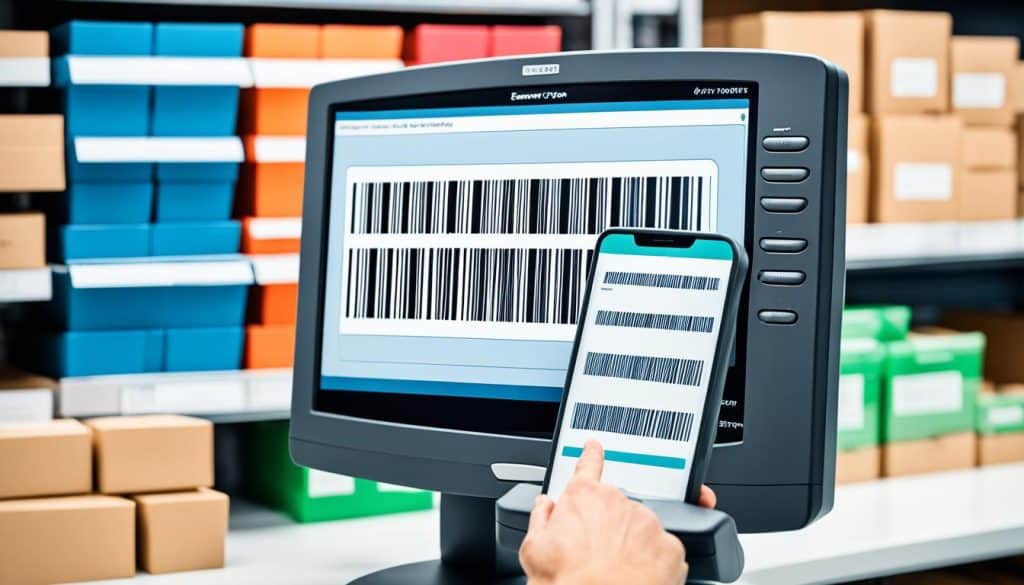
Embrace automation technologies such as barcode scanning and RFID systems to automate your inventory management system. These technologies provide real-time information on stock levels and sales, enabling you to make data-driven decisions. By automating time-consuming manual tasks, you can free up valuable resources and focus on more strategic initiatives.
3. Leverage Real-Time Data and Analytics
Make the most of real-time data and advanced analytics to optimize inventory management. By analyzing key metrics, you can identify cost-saving opportunities, improve customer service, and make accurate demand forecasts. Real-time data insights enable you to react promptly to market changes, ensuring optimal stock levels and reducing costs.
4. Integrate Demand Planning Tools
Integrate demand planning tools within your inventory management ERP solution to accurately forecast demand and coordinate with your marketing efforts. These tools help you align inventory levels with anticipated demand, ensuring that you have enough stock to meet customer requirements. By synchronizing your supply chain based on demand forecasts, you can minimize stockouts and avoid excess inventory.

Implementing these inventory management strategies can significantly improve efficiency, reduce costs, and drive profitability. By leveraging ERP software, automated inventory management systems, and demand planning tools, you can optimize your operations and gain a competitive edge in the market.
Prioritizing and Tracking Inventory for Better Management
Prioritizing and tracking inventory is essential for effective inventory management. By categorizing inventory items into A, B, and C groups based on their value and importance, businesses can gain insights into ideal ordering quantities and frequencies. This inventory categorization technique enables businesses to optimize their inventory levels and avoid overstocking or understocking situations.
Tracking product information is another critical aspect of inventory management. By closely monitoring and tracking essential data such as SKUs, barcode information, suppliers, lot numbers, and cost over time, businesses can maintain a comprehensive and accurate inventory record. This helps in making informed decisions related to ordering, pricing, and forecasting.
Regular inventory audits, whether comprehensive or spot checks, play a significant role in ensuring the accuracy and integrity of inventory data. These audits help reconcile the physical inventory with the recorded data, identifying any discrepancies and taking appropriate actions to rectify them. It ensures that the inventory records are up to date and reliable, which is crucial for effective inventory management.
Supplier performance analysis is also a vital part of inventory management. By analyzing the performance of different suppliers, businesses can identify any unreliable or underperforming suppliers. This analysis helps in taking proactive measures to mitigate risks and avoid disruptions in the supply chain. It allows businesses to maintain strong relationships with reliable suppliers and ensure a steady flow of inventory.
Optimization Techniques for Effective Inventory Management
To optimize inventory management and maximize operational efficiency, businesses can implement various techniques that focus on strategic inventory management. These techniques include:
The 80/20 Inventory Rule
One effective technique is the 80/20 inventory rule, also known as the Pareto principle. According to this rule, approximately 80 percent of a business’s profits come from 20 percent of its inventory. By closely monitoring and managing this top-performing 20 percent, businesses can ensure that they are allocating resources efficiently and prioritizing the items that have the greatest impact on their profitability.
Consistent Stock Receiving Process
Maintaining a consistent stock receiving process is crucial for accurate inventory management. This process ensures that the goods received match the quantities ordered, reducing discrepancies and minimizing inventory inaccuracies. By implementing standardized procedures for receiving stock and conducting thorough quality checks, businesses can effectively control inventory levels and improve overall operational efficiency.
Sales Tracking
Tracking sales data on a daily basis is an essential technique for effective inventory management. By analyzing sales patterns, businesses can gain insights into item performance, identify seasonality trends, and make informed decisions about inventory replenishment. Real-time sales tracking allows businesses to adjust their inventory levels accordingly, ensuring that they have the right products in stock at the right time, thereby avoiding stockouts or excess inventory.
Technology Integration
Utilizing inventory management technology is critical for streamlining inventory tasks and ensuring accurate data management. Inventory management software, mobile scanners, and point-of-sale systems (POS) are examples of technologies that can be integrated into the inventory management process. By leveraging these technologies, businesses can automate inventory tracking, streamline order fulfillment, and eliminate manual data transfers, reducing the risk of errors and improving overall operational efficiency.

Choosing the Right Inventory Management Solution
Choosing the right inventory management solution is crucial for optimizing inventory control and streamlining business operations. Different industries have specific inventory practices and requirements that must be taken into consideration. For wholesalers, maintaining minimum order quantities while avoiding understock and overstock scenarios is paramount. On the other hand, manufacturers prioritize accurate demand forecasting, efficient order planning, and optimized inventory control activities.
One of the key factors in selecting the right inventory management solution is ensuring it is tailored to meet industry-specific needs. Implementing an industry-specific ERP solution can provide businesses with the necessary tools to effectively manage inventory and achieve profitability. These solutions offer real-time inventory visibility, enabling businesses to make informed decisions and maintain control over their inventory levels.
ERP solutions play a critical role in inventory control by integrating with various business operations, such as supply chain management and order processing. This integration allows for seamless data flow, eliminating manual data entry and reducing the risk of errors. With real-time inventory information available, businesses can react quickly to market demands, thus improving their overall operational efficiency.
When choosing an ERP solution for inventory management, partnering with an experienced ERP implementation partner, such as ProjectLine, can greatly enhance the implementation process. An ERP implementation partner brings expertise in understanding industry-specific needs and can help businesses find the best-fit ERP software. They can also provide support and training, ensuring a smooth transition and successful adoption of the inventory management solution.
Investing in the right inventory management solution is crucial for businesses to effectively control their inventory levels and achieve profitability. By selecting an industry-specific ERP solution and collaborating with an ERP implementation partner, businesses can optimize their inventory control activities and streamline their operations.
Conclusion
Effective inventory management strategies are essential for businesses looking to gain a competitive edge in the market. By implementing the right techniques and leveraging technology, businesses can optimize their stock levels, minimize costs, streamline operations, and enhance customer satisfaction.
Prioritizing inventory, tracking product information, conducting regular inventory audits, and analyzing supplier performance are crucial practices for achieving effective inventory management. These practices ensure accurate inventory records, minimize stock discrepancies, and help identify and address any issues with suppliers.
To further enhance inventory management, businesses should utilize demand forecasting, adopt the 80/20 inventory rule, establish consistent stock receiving processes, and track sales data. These optimization techniques enable businesses to make informed decisions regarding inventory levels, identify top-performing products, and proactively address factors such as seasonality and demand fluctuations.
Choosing the right inventory management solution that aligns with industry-specific needs and integrating it with other systems is a crucial step in achieving successful inventory management. By selecting an industry-specific ERP solution, businesses can gain real-time visibility into their inventory, streamline operations, and improve overall efficiency. Partnering with an experienced ERP implementation partner further ensures that businesses receive the necessary expertise and support throughout the implementation process.
With effective inventory management, businesses can achieve improved efficiency, profitability, and overall success. By implementing best practices and utilizing the right technology, businesses can maximize their operating margins, create a competitive edge, and ultimately position themselves for long-term success in the market.
FAQ
Why is effective inventory management important for businesses?
Effective inventory management is crucial for businesses to maximize their operating margins and ensure customer satisfaction. It allows businesses to react quickly to market demands, fulfill customer orders on time, and maintain optimal stock levels.
What are the benefits of an inventory management system?
An inventory management system offers several benefits for businesses. It allows businesses to optimize their stock levels, improve customer service, integrate with other operations, and provide staff with instant access to a centralized inventory database.
What inventory management strategies can businesses implement to improve efficiency?
Businesses can implement various inventory management strategies such as using ERP software designed for inventory management, automating their inventory management system, leveraging real-time data and analytics, and using demand planning tools within inventory management ERP solutions.
How can businesses prioritize and track inventory for better management?
To prioritize and track inventory, businesses can categorize inventory items into A, B, and C groups based on their value and importance, track product information such as SKUs and suppliers, conduct regular inventory audits, and analyze supplier performance.
What are some optimization techniques for effective inventory management?
Businesses can optimize inventory management by following techniques such as implementing the 80/20 inventory rule, maintaining a consistent stock receiving process, tracking sales data on a daily basis, and investing in inventory management technology.
How should businesses choose the right inventory management solution?
Businesses should choose an inventory management solution that aligns with their industry-specific needs, integrates with other systems, and provides real-time inventory visibility. Working with an ERP implementation partner can help in selecting the right solution and receiving expertise in implementation, training, and support.
Why is effective inventory management important for gaining a competitive edge in the market?
Effective inventory management strategies are vital for businesses to gain a competitive edge in the market. By implementing the right techniques and utilizing technology, businesses can optimize stock levels, minimize costs, streamline operations, and enhance customer satisfaction.
Source Links
- https://www.projectline.ca/blog/5-inventory-management-strategies
- https://www.businessnewsdaily.com/10613-effective-inventory-management.html
- https://www.linkedin.com/pulse/streamlining-operations-through-smart-inventory-management-practices
