
Did you know that land acquisition strategies are vital to ensuring a successful real estate investment? Whether you’re purchasing land for residential or commercial purposes, conducting thorough due diligence is crucial to avoid potential pitfalls and maximize your investment. From analyzing property history and assessing the physical condition to evaluating environmental factors and conducting financial due diligence, there are key aspects you need to consider before making a purchase.
Key Takeaways:
- Research property history and conduct real estate due diligence to ensure a clean title.
- Assess the physical condition of the land through home inspections to uncover hidden problems.
- Evaluate environmental factors such as flood zones and soil stability to protect your investment.
- Perform financial due diligence to consider property taxes and ongoing maintenance costs.
- Make informed decisions based on comprehensive land acquisition strategies and long-term goals.
Navigating Land Purchases on Long Island, New York
Purchasing land on Long Island, New York offers unique opportunities but also challenges. As a real estate investor, it is essential to understand the local market dynamics, zoning regulations, and development potential to make a successful land purchase.
Long Island’s real estate market is highly competitive, with land prices influenced by various factors. The location and proximity to amenities play a significant role in determining land values. Additionally, zoning regulations dictate the permissible uses and structures on the land. Understanding these regulations ensures that your land acquisition aligns with your intended development plans.
Long Island’s development potential is another crucial aspect to consider. With its vibrant economy and growing population, investing in land on Long Island can offer long-term financial gain. Whether you’re looking to develop residential properties or commercial establishments, the region offers ample opportunities for customization.
To navigate land purchases on Long Island successfully, thorough research and due diligence are essential. Understanding the market, zoning regulations, and development potential will enable you to make informed decisions and maximize the return on your investment.
Understanding the Real Estate Market on Long Island
The Long Island real estate market is known for its competitive nature, making it crucial to have a comprehensive understanding before diving into land acquisitions. Working with a knowledgeable real estate agent who specializes in the local market can provide valuable insights and guidance throughout the buying process.
Keep in mind that different areas of Long Island may have varying market conditions. Conducting thorough market research, analyzing comparable sales, and monitoring trends will help you identify areas with potential growth and value appreciation.
Additionally, stay updated on any upcoming infrastructure projects or major developments that may impact the market dynamics. These projects can significantly influence the value of the land and its development potential.
Key Aspects of the Land Buying Process
When embarking on the land buying process, there are several key aspects to consider to ensure a successful purchase. Researching available land listings on popular platforms like Redfin and Zillow is an essential first step. These platforms offer a wide range of land listings, allowing buyers to explore different options and narrow down their choices to find the perfect plot of land.
Aside from exploring listings, understanding the zoning laws and regulations in Long Island is crucial. Zoning laws determine how the land can be used and what type of structures can be built on it. By familiarizing yourself with these regulations, you can determine whether a particular plot of land is suitable for your desired purpose. This knowledge also helps prevent any potential zoning violations and ensures compliance with local laws.
Financing options tailored specifically for land acquisitions are another important consideration. Land purchases often require specialized financing arrangements, different from those used for acquiring residential or commercial properties. Working with a financial institution experienced in land acquisition can provide you with the necessary guidance and financing options to make your purchase a reality.
Finally, enlisting the expertise of real estate professionals such as agents, attorneys, and surveyors is highly recommended. These professionals bring invaluable knowledge and experience to the land buying process. A real estate agent can help you navigate the market, identify suitable land opportunities, and negotiate favorable terms. An attorney can ensure all legal aspects are handled properly, including title searches and contracts. Additionally, a surveyor can help assess the boundaries and conditions of the land, ensuring there are no discrepancies or issues.
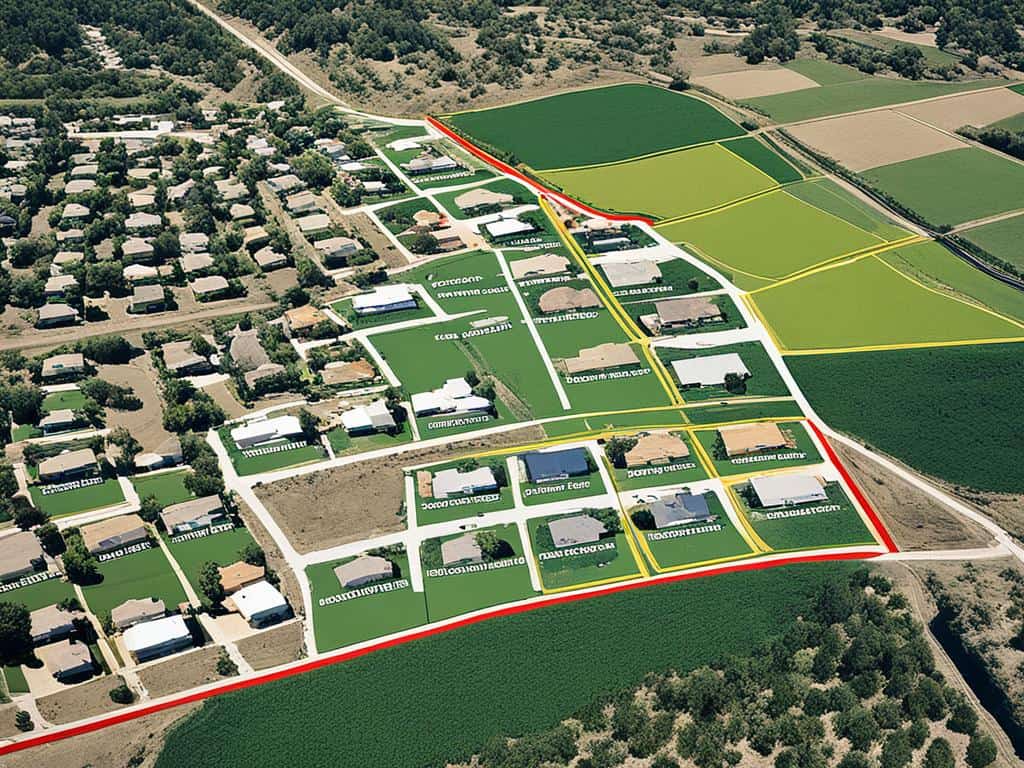
Insider Tips for Successful Land Purchase
When it comes to purchasing land, conducting thorough due diligence is essential. It’s important to research the property extensively, visit the site in person, and conduct feasibility studies to assess its suitability for your needs.
Negotiating purchase agreements is another critical step in the land buying process. It allows you to protect your interests by including contingencies that safeguard your investment. Hiring a skilled real estate attorney can provide expert guidance and ensure you navigate the negotiation process successfully.
Understanding property taxes and additional costs associated with land ownership is crucial. Property taxes can vary depending on the location and size of the land, while additional costs may include maintenance expenses and utility fees. Considering these financial implications is necessary to make well-informed decisions and ensure the overall affordability of the purchase.
By following these insider tips, you can increase your chances of a successful land purchase. Remember to prioritize thorough due diligence, negotiate purchase agreements effectively, and factor in property taxes and additional costs before making a final decision.

Finalizing the Land Purchase
Once you have found the perfect piece of land, there are important steps to take to finalize your purchase. These include legal considerations, title insurance, and post-purchase planning.
Legal Considerations
When finalizing a land purchase, it is essential to navigate the legal considerations involved. One crucial aspect is conducting thorough title searches to ensure there are no liens or encumbrances on the property. This process helps protect your investment and ensures that you are the rightful owner of the land.
Additionally, it is highly recommended to obtain title insurance to further safeguard your purchase. This insurance provides protection in case any unforeseen legal issues arise in the future.
Post-Purchase Planning
After closing the deal, it is time to start post-purchase planning for the land. This step involves determining how you will utilize the property to maximize its potential and value. You may consider repositioning the property for development, dividing it for sale as individual lots, or even leasing it for specific purposes.
Developing a solid post-purchase plan involves assessing the land’s market demand, researching potential tenants or buyers, and ensuring compliance with local regulations and zoning laws.
By consulting with a real estate attorney, you can navigate the legal complexities of finalizing the land purchase and ensure all required legal documentation is properly prepared and executed.
Remember, a successful land purchase not only involves finding the right property but also addressing the legal considerations and establishing a comprehensive post-purchase plan. This careful approach will help you protect your investment and make the most of your new land.

Conclusion
Investing in land requires a strategic approach and thorough understanding of the local market. Throughout the real estate journey, it is crucial to follow insider tips and employ effective land acquisition strategies to ensure a successful investment.
Conducting comprehensive due diligence is the foundation of a solid land acquisition strategy. By conducting thorough research and working with professionals such as real estate agents, attorneys, and surveyors, buyers can make informed decisions and minimize risks.
Considering all aspects, including zoning regulations and financial implications, is key to a successful land acquisition. Buyers should carefully analyze the property’s potential for development and customization, aligning their long-term goals with the investment. By navigating the land buying process effectively, buyers can maximize their returns and create a valuable asset for the future.
FAQ
What is the importance of conducting real estate due diligence before buying a property?
Conducting real estate due diligence is crucial because it allows buyers to uncover any potential issues with the property’s history, ownership, and title. This ensures a clean title and avoids any future legal complications.
Why is assessing the physical condition of a property important during the buying process?
Assessing the physical condition of a property through home inspections is essential because it helps buyers uncover any hidden problems or structural issues that may require costly repairs in the future.
What environmental factors should be evaluated before purchasing land?
Before purchasing land, it is important to evaluate environmental factors such as flood zones and soil stability to protect the investment and ensure the land is suitable for the intended purpose.
Why is financial due diligence necessary when considering a land purchase?
Financial due diligence, including considering property taxes and ongoing maintenance costs, helps buyers understand the overall cost of ownership and plan their budget effectively.
What are the key factors to consider when purchasing land on Long Island, New York?
When purchasing land on Long Island, New York, it is crucial to consider factors such as market dynamics, zoning regulations, development potential, and proximity to amenities. These factors can greatly impact the land’s long-term value and potential uses.
How can I navigate the land buying process on Long Island?
To navigate the land buying process on Long Island, it is important to research available land listings on platforms like Redfin and Zillow, understand the local zoning laws and regulations, secure financing options tailored for land acquisitions, and work with experienced real estate professionals such as agents, attorneys, and surveyors.
What steps should I take for thorough due diligence before committing to a land purchase?
Thorough due diligence before committing to a land purchase involves researching the property, visiting the site, conducting feasibility studies, negotiating purchase agreements with contingencies, and understanding property taxes and additional costs associated with land ownership.
What legal considerations are involved in finalizing a land purchase?
Finalizing a land purchase involves conducting thorough title searches, obtaining title insurance to protect the investment, complying with local regulations and zoning laws, and consulting with a real estate attorney to ensure all documentation is in order.
How can I maximize the investment in land after the purchase?
To maximize the investment in land after the purchase, it is important to consider post-purchase planning such as repositioning the property and finding the right tenants. This can help increase the land’s value and generate income.
What are some insider tips for a successful land purchase?
Some insider tips for a successful land purchase include conducting thorough research, working with professionals, considering all aspects such as zoning regulations and financial implications, and making informed decisions based on long-term goals.
What should be the basis of land acquisition strategies?
Land acquisition strategies should be based on comprehensive due diligence, understanding of the local market, and strategic decision-making. By considering all relevant factors and aligning with long-term goals, buyers can make successful and profitable land acquisitions.
Source Links
- https://www.linkedin.com/pulse/insiders-guide-real-estate-due-diligence-what-every-buyer-colabufo
- https://www.wesellnewyorkland.com/buying-land-in-long-island-tips/
- https://www.everand.com/book/617007253/The-Insider-s-Edge-to-Real-Estate-Investing-Game-Changing-Strategies-to-Outperform-the-Market
