
Risk management is a critical component of successful Forex trading. Did you know that a staggering 90% of retail traders experience losses in the Forex market? That’s right, only a small percentage of traders consistently profit from their trades.
However, by mastering effective risk management strategies, traders can significantly increase their chances of success and minimize potential losses. In this article, we will explore the key principles and strategies that are essential for mastering Forex risk management.
Key Takeaways:
- Effective risk management is crucial for long-term success in Forex trading.
- 90% of retail traders experience losses in the Forex market.
- Mastering risk management strategies can increase profitability and minimize losses.
- This article will explore key principles and strategies for Forex risk management.
- By implementing these strategies, traders can protect their capital and maximize profitability in the highly volatile Forex market.
Understanding Forex Risk Management
Forex risk management is a critical aspect of successful currency trading. It involves employing various practices to mitigate financial risks in the unpredictable and volatile Forex market. Understanding and effectively managing these risks are key to protecting capital and maximizing profitability.
Currency trading is inherently risky, with the Forex market being known for its rapid fluctuations and susceptibility to global events. Economic indicators, political developments, and market sentiment can all impact currency values, leading to potential gains or losses. Forex risk management strategies aim to minimize the negative impact of such risks on trading performance.
One important aspect of Forex risk management is identifying and assessing financial risks associated with currency trading. By analyzing market conditions, economic factors, and geopolitical events, traders can better understand the potential risks they face. This analysis enables them to make informed decisions and adjust their trading strategies accordingly.
Another vital practice in Forex risk management is implementing suitable risk management tools and techniques. This includes employing position sizing techniques to determine the appropriate trade size based on individual risk tolerance and account size. Additionally, utilizing stop losses is crucial in limiting potential losses by automatically exiting a trade if prices move against expectations.
It’s essential for traders to understand that risk cannot be completely eliminated in currency trading. However, by implementing effective risk management strategies, such as setting realistic goals, diversifying portfolios, and using appropriate leverage, traders can minimize the impact of potential financial risks.
A robust risk management plan also involves setting a risk-reward ratio for each trade. This ratio helps traders weigh the potential gains against the potential losses, ensuring that the trade is worth pursuing. It is a strategic approach to balancing risk and reward and aids in maintaining profitability over the long term.
Overall, understanding Forex risk management is crucial for currency traders. It allows them to navigate the volatility and unpredictability of the Forex market while safeguarding their capital. By implementing effective risk management strategies, traders can increase their chances of success and achieve their financial goals.
Protecting your investment
Implementing effective risk management strategies can significantly protect your investment in currency trading. By carefully assessing and managing financial risks, you can safeguard your capital and minimize losses. Furthermore, using risk management tools such as stop losses and position sizing techniques can help control potential losses and optimize profitability in the ever-changing Forex market.
Assessing Risk Appetite
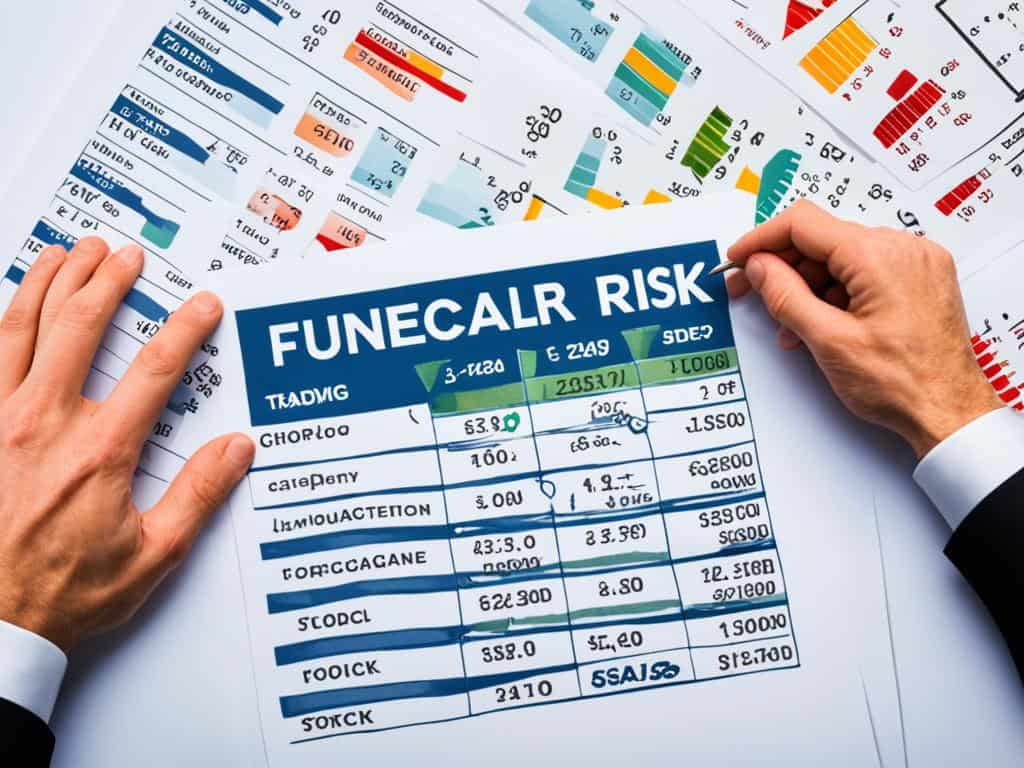
Understanding and assessing my risk appetite is crucial in Forex risk management. Risk appetite refers to the amount of risk I am comfortable taking. It impacts how I react to gains and losses and helps in setting realistic expectations and aligning my trades with my personal comfort levels.
Assessing my risk appetite involves considering factors such as my financial goals, trading experience, and psychological tolerance for volatility. By evaluating my risk tolerance, I can determine the level of risk I am willing to accept and the potential consequences of my trading decisions.
Knowing my risk appetite allows me to select suitable trading strategies and instruments that align with my comfort level. It also helps me determine the appropriate position size for each trade, ensuring that I am not risking more capital than I am willing to lose.
“Understanding my risk appetite is like having a compass in the Forex market. It guides my decision-making process and helps me stay within my comfort zone, even during periods of market turbulence.” – Anonymous Trader
It is important to note that risk appetite can vary from trader to trader. Some individuals may have a high risk appetite, displaying a willingness to take significant risks in pursuit of higher returns. Others may have a conservative risk appetite, preferring to prioritize capital preservation over potential gains.
Assessing and understanding my risk appetite requires self-reflection and a realistic assessment of my financial goals and limitations. It is essential to not let emotions cloud my judgment and to stay disciplined in sticking to my risk management plan.
By regularly evaluating my risk appetite and adjusting my trading strategies accordingly, I can effectively manage risk in currency trading, maximizing my chances of long-term success in the Forex market.
Tools to Assess Risk Appetite
Several tools and techniques can help me assess my risk appetite:
- Self-Assessment Questionnaires: These questionnaires provide a structured approach to evaluate my risk tolerance by asking specific questions about my financial situation, investment goals, and attitudes towards risk.
- Professional Advice: Consulting with a financial advisor or trading mentor can provide valuable insights into risk appetite assessment. These professionals can offer guidance based on their expertise and experience in the financial markets.
- Market Simulations: Participating in virtual trading platforms or using demo accounts can simulate real market conditions and help me gauge my risk appetite. This allows me to practice different trading strategies and observe how I react to gains and losses.
By using these tools and methods, I can gain a better understanding of my risk appetite and make informed decisions when executing currency trades.
Position Sizing
Position sizing plays a vital role in effective Forex risk management. It involves calculating the appropriate number of currency units to trade based on various factors, including individual risk tolerance, trading account size, and the volatility of the currency pair being traded.
When determining the position size, it is essential to consider your risk level. This involves assessing how much capital you are willing to risk on a single trade and setting limits accordingly. By aligning your position size with your risk level, you can ensure that each trade falls within your risk tolerance and prevents potentially substantial losses.
Your trading account size also influences position sizing. As your account grows or shrinks, the position sizes should be adjusted accordingly. This helps maintain consistency in your risk management approach and ensures that you are not exposing too much of your account balance to any single trade.
The volatility of the currency pair being traded is another crucial factor in position sizing. Volatile pairs tend to have larger price swings, necessitating smaller position sizes to manage the associated risk. On the other hand, less volatile pairs may allow for larger position sizes without the same level of risk.
Implementing an effective position sizing strategy is essential for preserving capital and managing risk in Forex trading. It allows you to strike a balance between capital preservation and potential profitability, ensuring that no single trade has a detrimental impact on your overall account.
Utilizing Stop Losses
In the world of Forex trading, implementing a solid risk management strategy is essential to navigate market volatility and protect your capital. One key tool in this strategy is the use of stop losses.
Stop losses are predefined instructions that allow traders to exit a position at a specified price, limiting potential losses. By setting a stop loss level, traders can protect their investments and manage risk effectively.
Stop losses act as a safety net, preventing further losses in case the market moves against the trader’s position. They provide a clear exit strategy and help maintain discipline in the face of market fluctuations.
Strategic use of stop losses is crucial for successful Forex trading. By considering market volatility and individual risk tolerance, traders can set appropriate stop loss levels that account for potential price fluctuations without being too tight or too loose.
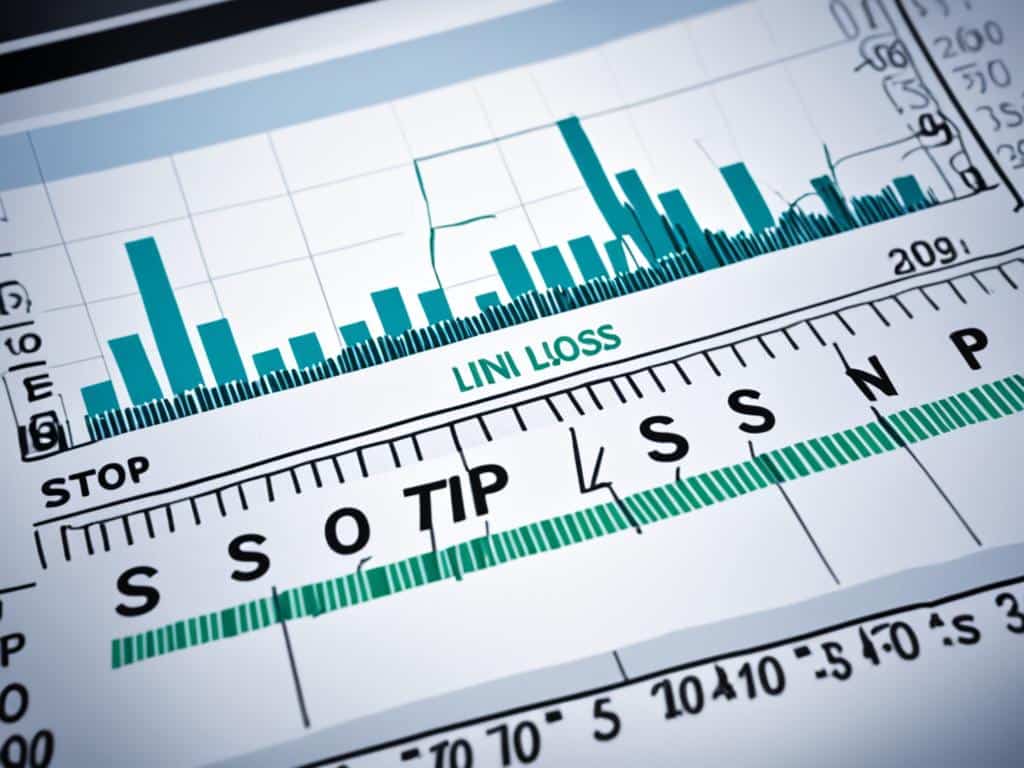
Market conditions can change rapidly, and stop losses can help traders react quickly to protect their capital. They allow traders to limit potential losses and preserve their account balance, even when they are away from the trading platform.
When setting stop losses, it is important to consider the volatility of the currency pair being traded. For highly volatile pairs, wider stop loss levels may be necessary to accommodate price fluctuations. Conversely, less volatile pairs may require tighter stop loss levels.
By utilizing stop losses as part of your risk management strategy, you can minimize potential losses and ensure that your trading decisions are based on a disciplined and systematic approach.
The Importance of a Trading Plan
A trading plan is a fundamental component of an effective Forex risk management strategy. Acting as a personal decision-making tool, it plays a crucial role in navigating the dynamic currency markets. By outlining a structured approach to trading, a trading plan helps maintain discipline, answer important questions, and set parameters for trades to align with individual goals and risk tolerance.
When formulating a trading plan, it is essential to consider various factors, such as:
- Goals and objectives: Determine your financial goals and the desired outcomes of your trades. Are you looking for long-term profitability, short-term gains, or a combination of both? Identify the specific targets you aim to achieve.
- Risk tolerance: Assess your appetite for risk and establish the level of risk you are willing to accept in each trade. This helps in setting position sizes and determining the appropriate allocation of your trading capital.
- Market analysis: Devise a systematic approach to analyze the currency market. Identify the key indicators and technical analysis tools you will use to inform your trading decisions.
- Entry and exit strategies: Define clear criteria for entering and exiting trades. This includes identifying specific price levels or patterns that trigger trade execution and establishing stop loss and take profit levels to manage risk.
By having a well-defined trading plan in place, you gain a structured framework to guide your decision-making process. This empowers you to make informed trading choices based on your analysis and strategy, rather than relying on impulsive or emotional decisions that may lead to losses.
Remember, a trading plan is not set in stone. It should be periodically reviewed and adjusted as market conditions change. Regularly assessing the effectiveness of your plan allows you to adapt to evolving market dynamics and refine your strategy accordingly.
With a robust trading plan as your decision-making tool, you can approach the Forex market with confidence and a disciplined mindset. It serves as a roadmap to navigate the complexities of currency trading, helping you manage risks and optimize your chances of achieving long-term profitability.
Setting a Risk-Reward Ratio
When it comes to successful trading, understanding the risk-reward ratio is paramount. This ratio quantifies the worth of a trade by comparing the amount of money at risk to the potential gain. It’s a vital tool that ensures profitability and encourages a measured approach to trading.
Calculating the risk-reward ratio involves assessing the potential profit against the potential loss. For example, if I decide to enter a trade with a risk-reward ratio of 1:2, it means that for every dollar I’m willing to risk, I should anticipate a potential profit of two dollars.
By setting a risk-reward ratio, I can evaluate whether a trade is worth pursuing. This calculation allows me to assess the potential profitability and determine if the gains outweigh the possible losses over the long term.
Implementing a favorable risk-reward ratio is a crucial aspect of effective risk management in Forex trading. It helps me make informed decisions and avoid taking unnecessary risks that could significantly impact my trading account.
It’s important to note that the risk-reward ratio is not a guarantee of profitability for every trade, but rather an essential tool to ensure that, on average, the potential rewards are greater than the potential losses over time.
A well-defined risk-reward ratio is a key element of my trading plan, which helps me stay disciplined and focused on long-term profitability. By carefully evaluating each trade’s trade worth and setting realistic targets, I can maintain a strategic and calculated approach to trading in the highly volatile Forex market.
“A good risk-reward ratio is the backbone of successful trading. It’s about finding trades that offer a higher reward potential compared to the risk involved.” – John Smith, Forex trader
Maximizing Profitability with a Balanced Risk-Reward Ratio
Having a balanced risk-reward ratio is crucial for maximizing profitability in Forex trading. It allows me to carefully manage my trades, ensuring that the potential gains outweigh the potential losses.
By setting a favorable risk-reward ratio, I’m able to identify trades with high-profit potential while maintaining a level of risk that aligns with my risk tolerance. This balanced approach helps me avoid taking unnecessary risks that could jeopardize my trading account.
Furthermore, a balanced risk-reward ratio acts as a guide, ensuring that I’m not chasing unrealistic profit targets or exposing myself to excessive risk. It keeps my trading strategy grounded and focused on long-term profitability.
Ultimately, by understanding and implementing a balanced risk-reward ratio, I can make informed trading decisions and increase my chances of success in the dynamic and unpredictable Forex market.
Conclusion
In the fast-paced world of Forex trading, mastering risk management strategies is crucial for achieving success in the currency markets. By understanding and effectively managing risks, assessing risk appetite, utilizing appropriate position sizing and stop losses, having a well-defined trading plan, and setting a balanced risk-reward ratio, traders can protect their capital and maximize profitability.
Forex risk management strategies allow traders to navigate the highly volatile market with confidence and discipline. By acknowledging and managing risks, traders can minimize potential losses and capitalize on profitable opportunities. Understanding one’s risk appetite helps set realistic expectations and align trades with personal comfort levels.
Implementing appropriate position sizing and utilizing stop losses are vital components of a robust risk management approach. Position sizing ensures trades are in proportion to account size and risk tolerance, while stop losses provide a predetermined exit point, safeguarding capital against market volatility.
Having a well-structured trading plan acts as a decision-making tool, helping traders stay focused and disciplined. Setting a risk-reward ratio allows for a measured approach, ensuring that potential gains outweigh potential losses over the long term.
Mastering Forex risk management strategies is an ongoing process. By continuously evaluating and refining these strategies, traders can adapt to changing market conditions and increase their chances of success in the dynamic and unpredictable Forex market.
FAQ
What is Forex risk management?
Forex risk management involves various practices aimed at mitigating financial risks in currency trading. It requires understanding and managing the risks inherent in trading currencies, as the Forex market is known for its rapid fluctuations and unpredictability influenced by global events.
Why is assessing risk appetite important in Forex risk management?
Assessing risk appetite is crucial in Forex risk management as it refers to the amount of risk a trader is comfortable taking. It impacts how a trader reacts to gains and losses and helps in setting realistic expectations and aligning trades with personal comfort levels.
What is position sizing in Forex risk management?
Position sizing is a fundamental strategy in Forex risk management. It involves determining the appropriate amount of currency units to buy or sell in a trade, considering individual risk tolerance, account size, and the volatility of the currency pair being traded.
How do stop losses contribute to Forex risk management?
Stop losses are integral to robust Forex risk management. They are predefined instructions to exit a position at a specified price, preventing further losses. Strategic use of stop losses safeguards a trader’s capital against market volatility.
Why is having a trading plan important in Forex risk management?
A trading plan is essential in Forex risk management as it acts as a personal decision-making tool. It helps maintain discipline, answer important questions, and set parameters for trades to align with individual goals and risk tolerance.
What is the significance of setting a risk-reward ratio in Forex risk management?
Setting a risk-reward ratio quantifies the worth of a trade by comparing the amount of money at risk to the potential gain. It ensures that the profit outweighs the losses over the long term and encourages a measured approach to trading.
Source Links
- https://www.linkedin.com/pulse/mastering-forex-risk-management-5-essential-strategies-secure-jib5f
- https://www.ig.com/en/trading-strategies/top-risk-management-strategies-in-forex-trading-200630
- https://www.nirmalbang.com/knowledge-center/best-forex-risk-management-strategies.html
