Lowering heating and cooling costs is a goal that I, like many homeowners, can deeply relate to. Every month, when my utility bills arrive, I find myself cringing at the mounting expenses. It’s a constant battle between staying comfortable and keeping my expenses in check. But what if I told you that there are effective strategies to reduce those sky-high utility bills while improving energy efficiency in your home?
By implementing simple adjustments and upgrades, you can make a significant impact on your energy usage and overall expenses. From utilizing smart thermostats to upgrading appliances and improving insulation, there are numerous ways to achieve tangible results. So why wait any longer? Let’s explore these energy-saving solutions together and transform our homes into cost-effective havens without compromising our comfort.
The Benefits of Using Smart Thermostats
Smart thermostats offer numerous advantages for homeowners, including energy savings, the ability to adjust temperature settings, and creating a more comfortable home environment. These innovative devices are designed to learn and adapt to a homeowner’s temperature preferences, providing optimal comfort while reducing energy consumption.
One key benefit of smart thermostats is their ability to automatically change the temperature at night. By adjusting the temperature to a slightly lower setting while sleeping, homeowners can save on heating or cooling costs without sacrificing comfort. The smart thermostat can then reestablish the preferred temperature before waking up, ensuring a comfortable start to the day.
Another advantage of smart thermostats is their ability to detect when a homeowner is away from home. By utilizing motion sensors or geofencing technology, these thermostats can detect when the house is empty and adjust the temperature accordingly. This feature prevents unnecessary energy usage by ensuring that the HVAC system operates at a more efficient level when no one is present.
Additionally, smart thermostats offer the convenience of remote control. Through smartphone apps or smart home integration, homeowners can adjust the temperature from anywhere, ensuring a comfortable living environment upon their return. This feature is particularly beneficial for those with irregular schedules or frequent travel.
By utilizing smart thermostats, homeowners can achieve energy savings and reduce their environmental impact without compromising comfort. These devices provide the flexibility to adjust temperature settings based on personal preferences and occupancy, optimizing energy usage and promoting a more sustainable lifestyle.
Take a look at the image below to see an example of a smart thermostat:
In the next section, we will explore the advantages of enhancing energy efficiency with smart blinds and how they can contribute to a comfortable living space.
Enhancing Energy Efficiency with Smart Blinds
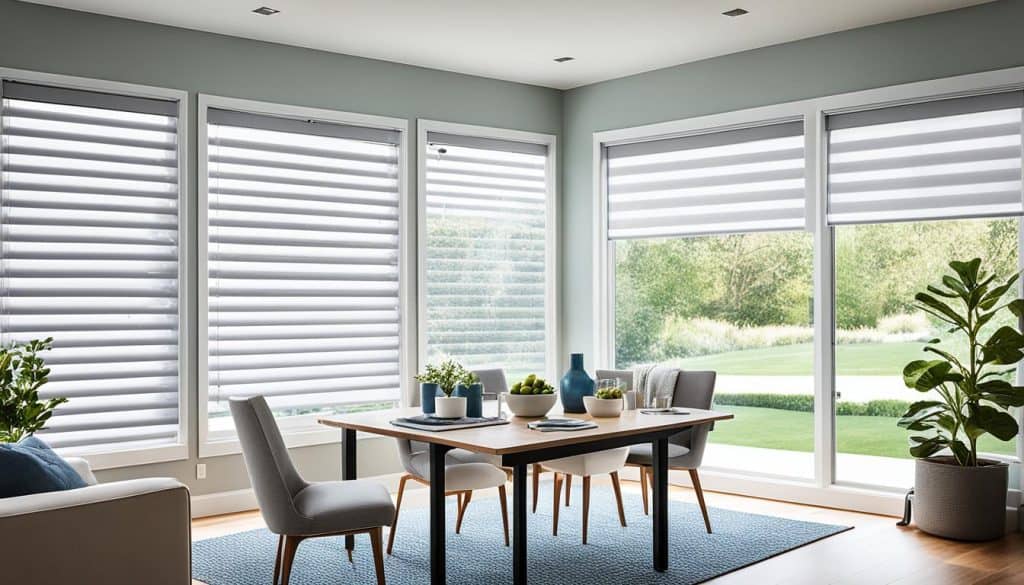
When it comes to optimizing energy efficiency in your home, smart blinds can be a game-changer. These innovative window coverings can be programmed to adjust automatically based on the position of the sun, blocking direct sunlight when necessary to maintain a comfortable indoor temperature. By utilizing smart blinds, you can strike the perfect balance between natural light and temperature control, reducing the need for excessive heating or cooling.
One of the key benefits of smart blinds is their ability to block sunlight effectively. This is particularly advantageous for homes with energy-inefficient windows, such as single-pane windows, that may allow heat to penetrate or escape easily. By using smart blinds to block sunlight during peak periods, you can prevent unwanted heat gain in the summer and retain warmth during the winter, significantly reducing your reliance on heating and cooling systems.
Smart blinds are designed to optimize natural light intake, allowing you to harness the benefits of sunlight while minimizing its impact on your indoor climate. By adjusting the blinds to align with the sun’s position throughout the day, you can enjoy ample natural light without sacrificing comfort or energy efficiency.
Benefits of Smart Blinds:
- Efficiently block sunlight to maintain a comfortable indoor temperature
- Reduce reliance on heating and cooling systems
- Optimize natural light intake for a well-lit home
- Enhance energy efficiency, particularly for energy-inefficient windows
When selecting smart blinds for your home, consider factors such as automation capabilities, compatibility with existing smart home systems, and ease of use. Investing in high-quality smart blinds from reputable brands ensures optimal performance and longevity.
By integrating smart blinds into your home, you can take control of your energy usage, create a more sustainable living environment, and enjoy the benefits of natural light while minimizing the impact on your energy bills. Explore the wide range of smart blinds available in the market and start enhancing your home’s energy efficiency today!
Improving Insulation for Energy Efficiency
Insulation is a crucial factor in maintaining energy efficiency in your home. While modern homes are designed with tight building envelopes to prevent air leaks, older homes may experience higher energy transfer between the interior and exterior. Retrofitting insulation in walls can be challenging, but adding insulation in the attic is a relatively simple and effective solution.
Insulating your attic serves as a barrier to prevent temperature transfer, keeping the hot air out during the summer and the cold air out during the winter. This helps regulate the temperature in the floors below, leading to improved energy efficiency throughout your home.
Investing in attic insulation is a cost-effective way to enhance your home’s energy efficiency. It not only helps reduce your heating and cooling costs but also provides a more comfortable living environment. With proper insulation, your HVAC system doesn’t have to work as hard to maintain the desired temperature, leading to potential energy savings.
There are various options for attic insulation, including fiberglass batts, blown-in cellulose, and spray foam insulation. Consulting with a professional insulation contractor can help you determine the most suitable insulation type for your attic based on your specific needs and budget.
Benefits of Attic Insulation:
- Prevents temperature transfer between the attic and living space
- Enhances energy efficiency and reduces heating and cooling costs
- Creates a more comfortable environment with consistent temperatures
- Reduces strain on HVAC systems, potentially extending their lifespan
- Improves indoor air quality by minimizing drafts and reducing moisture
By investing in proper attic insulation, you can significantly improve your home’s energy efficiency and reduce your carbon footprint. It’s a small home improvement project that can have long-lasting benefits for both your wallet and the environment.
Weatherstripping for Air Leak Prevention
Preventing air leaks is crucial for maintaining energy efficiency in your home. One effective and affordable method to achieve this is through weatherstripping, especially around windows and doors. Weatherstripping involves sealing gaps and cracks to prevent hot spots caused by air leakage, ensuring that your heating and cooling systems work more efficiently.
Regularly checking and updating weatherstripping is essential, especially in older homes where gaps may be more prevalent. Over time, weatherstripping can become worn out or damaged, reducing its effectiveness in preventing air leaks. By maintaining weatherstripping, you can significantly contribute to energy savings and reduce the need for excessive heating or cooling.
Benefits of weatherstripping:
- Improved energy efficiency: Properly sealed windows and doors prevent air leakage, minimizing drafts and hot spots in your home. This allows your HVAC system to operate more efficiently, reducing energy consumption.
- Enhanced comfort: Weatherstripping helps maintain a consistent indoor temperature, preventing cold drafts in winter and hot air infiltration in summer. A comfortable living environment improves your overall quality of life.
- Reduced utility bills: By preventing air leaks, weatherstripping reduces the workload on your heating and cooling systems, resulting in lower energy consumption and decreased utility bills.
- Extended lifespan of HVAC systems: When your heating and cooling systems don’t have to work as hard to compensate for air leaks, their lifespan is extended. This can save you money on costly repairs or premature replacements.
While weatherstripping can be a DIY project, hiring a professional or handyman can ensure thorough and effective installation. They can assess your home’s specific needs, select the appropriate weatherstripping materials (such as adhesive-backed foam tape, V-strip, or door sweeps), and expertly seal any air leakage points.
To give you a visual representation of weatherstripping, take a look at the image below:
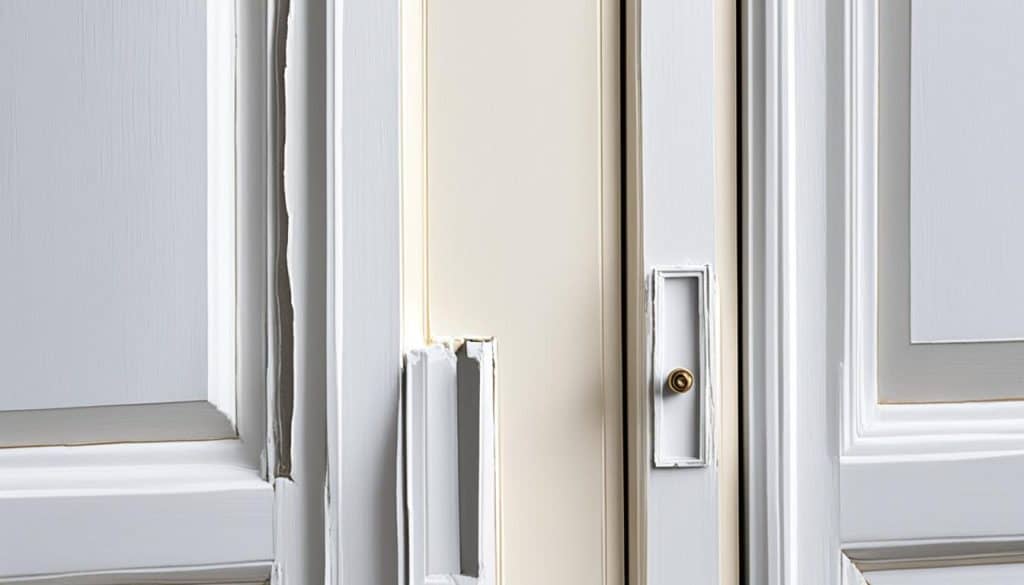
Remember, weatherstripping is an essential step in improving energy efficiency and reducing heating and cooling costs in your home. Don’t overlook this simple and effective solution for preventing air leaks and ensuring a comfortable living environment.
Upgrading to Energy-Efficient Appliances
Upgrading to energy-efficient appliances is a smart decision that can have a significant impact on your energy consumption and utility bills. Older appliances tend to be less efficient, consuming more energy and contributing to higher energy costs. By making the switch to appliances with an ENERGY STAR rating, you can enjoy higher efficiency and potential cost savings.
ENERGY STAR is a widely recognized symbol for energy efficiency. Appliances with this rating meet strict energy efficiency guidelines set by the Environmental Protection Agency (EPA) and the Department of Energy (DOE). They are designed to reduce greenhouse gas emissions and save energy without sacrificing performance or quality.
When you upgrade to energy-efficient appliances, you not only lower your energy bills but also contribute to a greener future by reducing your carbon footprint. These appliances are engineered to use less energy, which means they help conserve valuable resources and reduce the strain on power grids.
In addition to saving on energy costs, upgrading to energy-efficient appliances may qualify you for tax savings or rebates. Many states and local governments offer incentives to homeowners who choose energy-efficient options for their homes. These incentives can help offset the upfront costs of purchasing new appliances, making it even more financially rewarding to make the switch.
If you’re unsure which appliances to start with, consider replacing the oldest and least efficient ones first. Common energy-efficient appliances include refrigerators, dishwashers, washing machines, and water heaters. When shopping for new appliances, look for the ENERGY STAR label and compare the energy consumption ratings to make an informed decision.
By upgrading to energy-efficient appliances, you can enjoy long-term cost savings, reduce your environmental impact, and potentially qualify for tax savings or rebates. It’s a win-win situation for your wallet and the planet.
Conclusion
Lowering heating and cooling costs while improving energy efficiency is within reach for homeowners. By implementing a range of strategies and upgrades, such as utilizing smart thermostats, installing smart blinds, improving insulation, weatherstripping, upgrading appliances, utilizing ceiling fans and attic fans, and utilizing a clothesline, homeowners can achieve energy savings and create a more cost-effective home. For efficient implementation and access to a variety of home comfort solutions, seeking professional assistance from companies like Bell Cow Service Company is recommended.
By following these steps, homeowners can enjoy a more comfortable and energy-efficient home, effectively reducing their environmental impact and saving on utility bills. Embracing energy efficiency not only benefits the individual, but it also contributes positively to the overall sustainability of the community and the planet. Take action today and make a difference by implementing these cost-effective home solutions.
FAQ
How can I lower my heating and cooling costs?
By implementing strategies to improve energy efficiency, such as using smart thermostats, installing smart blinds, improving insulation, weatherstripping, upgrading home appliances, utilizing ceiling fans and attic fans, and using a clothesline, homeowners can effectively reduce their utility bills.
How do smart thermostats help in saving energy?
Smart thermostats are designed to learn a homeowner’s temperature preferences and adjust the temperature accordingly, providing energy savings without sacrificing comfort. They can automatically change the temperature at night to reduce HVAC system usage while sleeping and return the temperature to the preferred setting before waking up. Some smart thermostats can even detect when the homeowner is away and adjust the temperature accordingly.
What are the benefits of using smart blinds?
Smart blinds can be programmed to adjust based on the position of the sun, blocking direct sunlight when necessary to maintain a comfortable indoor temperature. They are particularly beneficial for homes with energy-inefficient windows, such as single-pane windows. By utilizing smart blinds, homeowners can optimize natural light intake and reduce the need for excessive heating or cooling.
How does insulation improve energy efficiency?
Insulation plays a crucial role in maintaining energy efficiency in the home. Adding insulation in the attic, in particular, prevents temperature transfer and helps regulate the temperature in the floors below, leading to improved energy efficiency.
What is weatherstripping and how does it prevent air leaks?
Weatherstripping is a simple yet effective method to prevent air leaks, particularly around windows and doors. It involves sealing gaps and cracks to prevent hot spots in the house caused by air leakage. Regularly checking and updating weatherstripping, especially in older homes, can contribute to energy savings and reduce the need for excessive heating or cooling.
How can upgrading to energy-efficient appliances help in reducing energy consumption?
Upgrading to energy-efficient appliances can significantly reduce energy consumption and lower utility bills. Older appliances tend to be less efficient and consume more energy, while newer appliances with the ENERGY STAR rating offer higher efficiency and potential cost savings. In addition to lowering energy bills, upgrading to energy-efficient appliances may also qualify homeowners for tax savings or rebates.
How can I achieve a more energy-efficient home?
By implementing measures such as using smart thermostats, installing smart blinds, improving insulation, weatherstripping, upgrading appliances, utilizing ceiling fans and attic fans, and utilizing a clothesline, homeowners can achieve energy savings and enjoy a more comfortable and cost-effective home.
Source Links
- https://www.familyhandyman.com/list/slash-heating-bills/
- https://bellcowservices.com/slash-your-energy-bill-today-tips-and-tricks-to-save-money-and-stay-comfortable/
- https://www.pgtwindows.com/blog/slash-your-energy-bills-with-a-more-efficient-home/
