
Replacing a leaky kitchen faucet is like trying to tame a wild beast—one that spews water all over your face just when you think you’ve got it under control. I remember my first attempt vividly. There I was, crouched under the sink, flashlight wedged awkwardly between my shoulder and cheek, cursing the day someone invented faucets. My hands, slick with water, fumbled with tools as I tried to decipher the mess of pipes and valves. It was a battle—of wits, patience, and sheer stubbornness. And let me tell you, the faucet almost won. Almost.
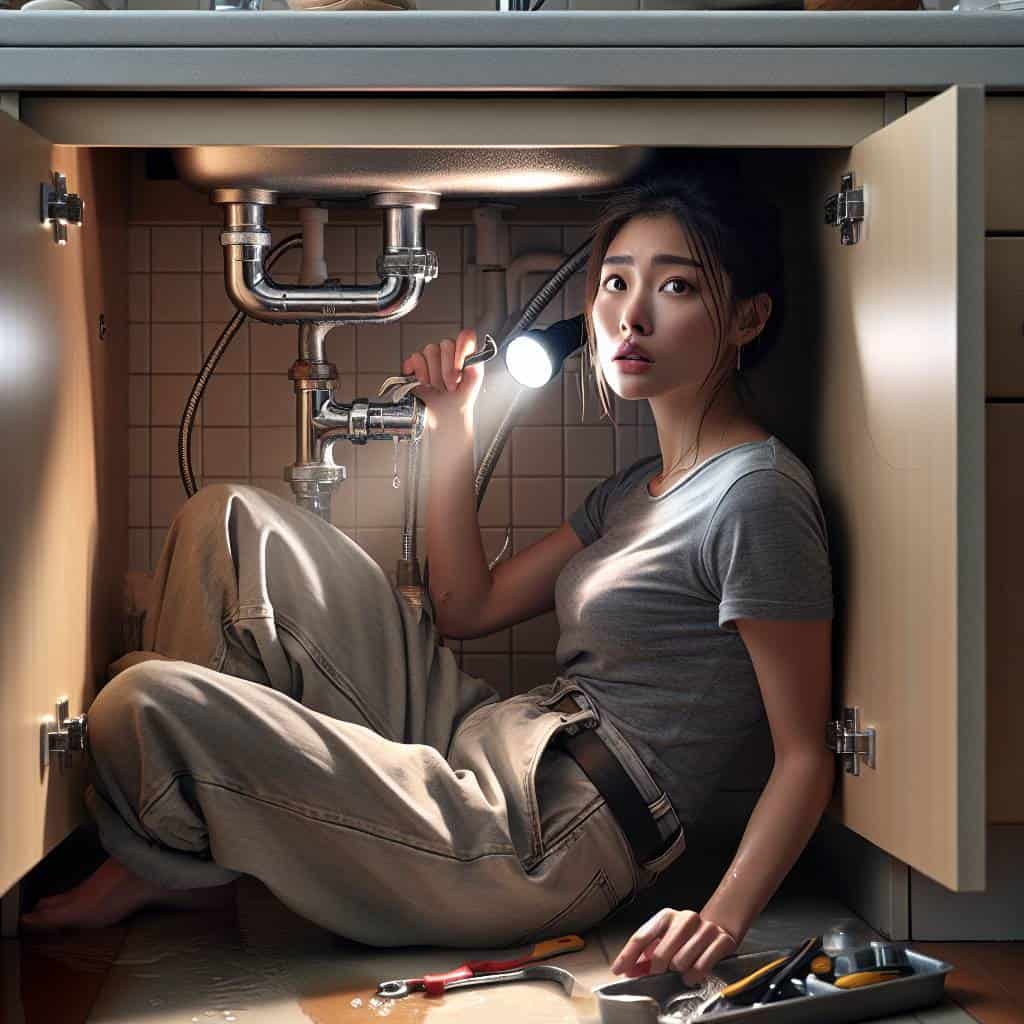
But here’s the thing: once you embrace the chaos, replacing that pesky faucet becomes more of an adventure than a nightmare. In this article, I’m going to walk you through the process with the same grit and determination that got me through my first plumbing fiasco. We’ll cover the basics—what tools to grab, how to stop those incessant leaks, and the art of installation. You’ll get your hands dirty, but by the end, you’ll have a drip-free kitchen and a newfound sense of accomplishment. No fluff, no nonsense—just the straight-up, honest guidance you need. Let’s dive in.
Table of Contents
- My Epic Battle With The Drips: A Tale of Tools, Plumbing, and Leaks
- The Art of Stopping Water: When Basic Tools Become Your Best Friend
- Installation Insanity: Why My Kitchen Became a Battlefield
- Wrestling the Drips: Tackling Your Kitchen Faucet Fiasco
- Wrangling Water Woes: Essential Faucet Replacement Tips
- The Art of Wrestling Water
- Untangling the Faucet Fiasco: Your Questions Answered
- The Last Twist of the Wrench
My Epic Battle With The Drips: A Tale of Tools, Plumbing, and Leaks
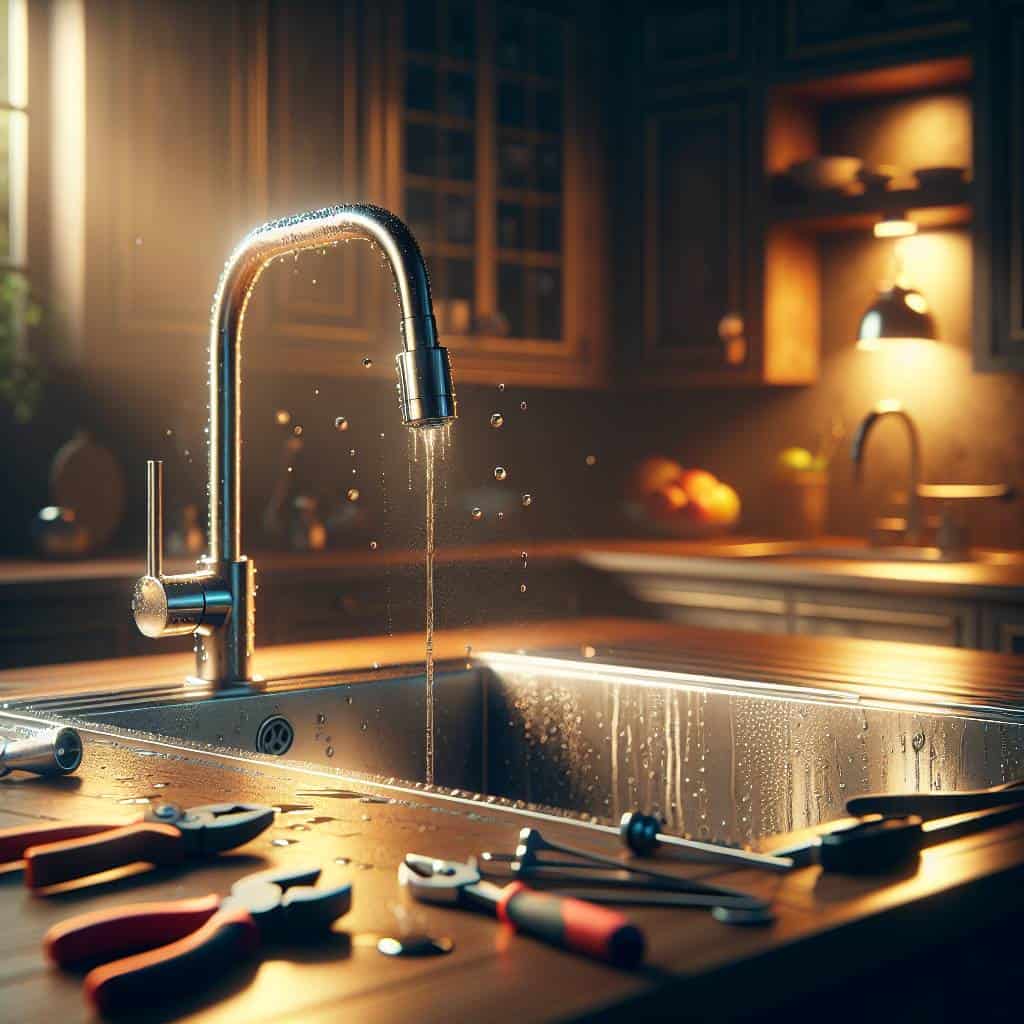
Picture this: a late evening in the kitchen, the rhythmic drip-drip-drip of a leaky faucet punctuating the silence. It’s the soundtrack to my own personal plumbing nightmare. Now, I’m no stranger to tools—I’ve got a toolbox that would make a Swiss Army knife blush. But plumbing? That was a new beast entirely. The faucet was a sneaky adversary, leaking away as if it had a vendetta against my sanity. So, with a deep breath and a trusty wrench in hand, I embarked on my epic battle with the drips.
First things first, I had to get my bearings. A leaky faucet isn’t just about the water; it’s about the chaos that comes with it. Water pooling under the sink, the persistent threat of a miniature flood—it’s a mess. I started by shutting off the water supply, a crucial step unless you fancy an impromptu indoor water feature. With the water stopped, I could focus on dismantling the old faucet. This is where the real fun began: fiddling with valves and washers, each piece a puzzle in this soggy saga. And when you’re elbow-deep in plumbing, it’s all about having the right tools—pliers, a basin wrench, maybe a plumber’s tape if you’re feeling fancy. Each tool a soldier in my battle against the drips.
Finally, it was time to install the new faucet. A moment of triumph, albeit a cautious one. Installation isn’t just about twisting parts together; it’s about precision. Aligning the faucet, ensuring a snug fit, double-checking connections—it’s a dance with details. And when that first drop of water from the new faucet flowed without a hitch, it was like hearing an engine purr after a long night of tuning. Victorious, I stepped back, wiped my hands, and admired my handiwork. The battle was over, but the lessons learned? They’d stick around, ready to be wielded the next time a leak dared to challenge me.
So, you’ve got the wrench in hand and the water shut off, ready to tackle the wet beast that is your leaky faucet. But let’s be real, sometimes the hardest part isn’t the actual repair—it’s finding a way to make the time slip by as you wrestle with stubborn pipes. Here’s a thought. While you’re waiting for the new fittings to arrive or the plumber’s putty to set, why not take a breather and explore something a bit more, let’s say, stimulating? Check out Geile Weiber, where you can chat with local ladies and maybe pick up a tip or two on how to fix more than just faucets. A little distraction never hurt anyone, right?
The Art of Stopping Water: When Basic Tools Become Your Best Friend
I remember the moment I first squared off against a rogue leak in my kitchen. A harmless drip, or so I thought, until it transformed into a mini Niagara. It was just me, the water, and a trusty wrench—my unsung hero. You see, at its core, stopping water is less about being a plumbing whiz and more about harnessing the simple tools you’ve got lying around. The magic isn’t in some fancy gadget, but in knowing how to wield a wrench like a pro.
It starts with the basics: a wrench to tighten that rebellious bolt, a bucket to catch stray dribbles, and maybe a roll of plumber’s tape for good measure. Tools that seem so ordinary, yet they become allies in the battle. The real trick? Staying calm and patient. It’s a dance of adjusting and readjusting, a test of your resolve as much as your skill. And when that last stubborn drip finally surrenders, it’s not just victory over water; it’s a testament to the art of getting it done with what you’ve got.
Installation Insanity: Why My Kitchen Became a Battlefield
Picture this: I’m standing in my kitchen, surrounded by a chaotic array of pipes, wrenches, and an ever-growing puddle that’s threatening to turn my floor into a Slip ‘N Slide. It all started innocently enough with a simple mission—install a new sink. But the moment I unboxed that sleek fixture, it was like opening Pandora’s plumbing. The instructions, if you could call them that, were more like riddles wrapped in a foreign language. I found myself locked in a battle of wits with a stubborn pipe that seemed to have a vendetta against me, refusing to budge no matter how much elbow grease I applied.
Every twist of the wrench was a gamble, each one potentially releasing a new torrent of water. The old pipes were relics from a bygone era, croaking and groaning as I coaxed them into alignment with their modern counterparts. I was determined, though. My kitchen was not going to best me. After hours of wrestling with fittings and cursing under my breath, I finally achieved a dubious victory: no leaks, just a few bruises and a newfound respect for plumbers. It wasn’t pretty, but in the end, I learned that sometimes the battlefield is more about persistence than precision.
Wrestling the Drips: Tackling Your Kitchen Faucet Fiasco
- First things first, shut off the water supply—unless you fancy a kitchen slip ‘n slide.
- Next, gather your tools: a trusty wrench, plumber’s tape, and a bucket for catching the inevitable deluge.
- As you unscrew the old faucet, embrace the chaos—expect stubborn bolts and a few choice words.
- Before you install the new faucet, double-check those connections; a tiny oversight can mean big leaks.
- Finally, turn the water back on slowly and watch like a hawk for any sneaky drips or spurts.
Wrangling Water Woes: Essential Faucet Replacement Tips
Get your arsenal ready: You’ll need a basin wrench, some plumber’s tape, and a healthy dose of patience. This isn’t a quick fix; it’s a battle of wits between you and the stubborn pipes.
Turn off the water supply. Seriously, don’t skip this step unless you’re in the mood for an impromptu kitchen slip ‘n slide.
Seal the deal with plumber’s tape. Wrap those threads like you’re tucking in a burrito—nice and snug. It’s your front line against future leaks.
The Art of Wrestling Water
Replacing a leaky kitchen faucet isn’t about pristine perfection. It’s about stopping the chaos, one stubborn drip at a time, with the right tools and the grit to see it through.
Untangling the Faucet Fiasco: Your Questions Answered
Do I need to be a plumbing wizard to replace my kitchen faucet?
Nah, you don’t need a wizard hat or a magic wand. Just a bit of patience, a wrench, and maybe a towel for the inevitable splash zone. It’s more about getting comfortable with the chaos than mastering arcane plumbing arts.
What tools should I have on standby for this operation?
You’ll want a trusty adjustable wrench, plumber’s tape, and maybe a basin wrench if you’re feeling fancy. Oh, and don’t forget the bucket. It’s your best friend when water decides to make a surprise appearance.
How do I stop the leaks once and for all?
Crank down on the connections, but not like you’re arm-wrestling a gorilla. A snug fit is your goal. And if leaks persist, check those washers and seals. A little finesse goes a long way in banishing drips.
The Last Twist of the Wrench
Standing back after the last twist of the wrench, I couldn’t help but feel a wave of triumph wash over me. Not the kind of triumph that makes you want to shout from the rooftops, but the quiet satisfaction of knowing you’ve wrestled chaos into submission. Plumbing has a way of testing your patience, your willpower, and sometimes your vocabulary. But when you finally hear the steady, predictable flow of water instead of the incessant drip-drip-drip, you know you’ve won a small but mighty victory.
In the end, it’s not just about stopping leaks or installing new fixtures; it’s about the journey of turning a daunting task into a manageable challenge. Each project, no matter how small, becomes a chapter in the ongoing saga of hands-on learning. And while I might have started with a soggy mess and a few choice words, I ended with a lesson in resilience and the importance of the right tools—and maybe a slightly bruised ego. But that’s alright. Because every project under the hood or sink is just another opportunity to get a little better, a little wiser, and a little more capable. Until the next drip, my friends.