
Did you know that planning and zoning regulations have a significant impact on the layout and development of our cities? These regulations, such as comprehensive plans and zoning ordinances, play a crucial role in ensuring harmonious and healthy development while minimizing conflicts between incompatible land uses.
As city governments have the authority to engage in planning and zoning activities, it is essential for city officials to understand the distinction between making and applying the law. Additionally, comprehensive plans serve as a guide for land use regulation and cover various elements such as public facilities, parks, housing, transportation, and infrastructure.
Key Takeaways:
- Planning and zoning regulations have a significant impact on the development of cities.
- Comprehensive plans guide land use regulation and cover various elements such as public facilities, parks, housing, transportation, and infrastructure.
- City officials should understand the distinction between making and applying the law.
- Zoning ordinances are designed to minimize conflicts between incompatible land uses.
- Minimizing conflicts in land use leads to harmonious and healthy development.
Functions of the Planning Commission
The Planning Commission plays a vital role in the planning and zoning process. In Shelby Township, for example, the Planning Commission consists of nine members appointed by the Township Supervisor. Their functions include the preparation of the master plan, which is a long-term comprehensive document guiding the township’s development over a period of time.
The Commission is also responsible for reviewing and approving site plans for new developments, considering factors such as zoning requirements, landscaping, and parking.
They provide recommendations to the Township Board on new subdivisions, ensuring orderly growth and the provision of public services. In addition, the Planning Commission offers recommendations on zoning amendments, conducting public hearings as part of the amendment process.
They also review and recommend approval for special land uses, taking into account the location, compatibility with adjacent properties, and potential impacts. The Planning Commission’s activities are guided by state statutes and the Township’s Zoning Ordinance.
Master Plan Preparation
The master plan is a crucial aspect of the Planning Commission’s responsibilities. It serves as a comprehensive guide for the township’s development, encompassing various elements such as land use, transportation, housing, and infrastructure.
Site Plan Approval
The Planning Commission evaluates and approves site plans for new developments within the township. This process involves assessing the site’s compliance with zoning requirements, ensuring adequate landscaping, parking, and other site improvements.
Subdivision Review
When considering new subdivisions, the Planning Commission carefully examines the proposed plans to ensure they align with the township’s goals for orderly growth and the provision of public services.
Zoning Amendments
As part of their responsibilities, the Planning Commission offers recommendations on zoning amendments. They conduct public hearings to gather input from the community and ensure transparency in the decision-making process.
Special Land Uses
Reviewing and recommending approval for special land uses is another important function of the Planning Commission. They carefully assess the location, compatibility, and potential impacts of these special land uses on adjacent properties and the overall community.

The Planning Commission’s activities are essential in shaping the development of Shelby Township and ensuring compliance with state statutes and the Township’s Zoning Ordinance. Their expertise and recommendations contribute to creating a well-planned and harmonious community.
The Role of the Planning Department
The Planning Department plays a crucial role in creating an environment for investment and guiding development efforts in the City of Troy. As an integral part of the city government, the Planning Department provides expertise and information to elected officials, boards, and citizens to address community issues and priorities.
One of the primary responsibilities of the Planning Department is to promote a clean, healthy, and safe city through the enforcement of property maintenance, zoning, nuisance, and rental inspection codes. By ensuring compliance with these regulations, the Planning Department helps maintain the integrity of the city’s neighborhoods and enhances the quality of life for residents.
Developers interested in working within the city are encouraged to have a pre-application meeting with the Planning Department. This meeting allows developers to discuss their projects and receive guidance on the planning and zoning requirements. By engaging with the Planning Department early in the process, developers can navigate the development and redevelopment process more efficiently and effectively.
The Planning Department also plays a significant role in the collection of planning, zoning, and engineering fees. These fees, which are necessary for the review and processing of development permits, help fund the department’s operations and support the ongoing growth and improvement of the city.
Historical and recent projects are important for showcasing the city’s progress and potential for development. Annually, the Planning Department prepares reports that highlight these projects, including condominiums, apartments, and hotels. These reports serve as valuable resources for developers and investors exploring opportunities in Troy.
To ensure a comprehensive and sustainable approach to development, the Planning Department works in alignment with the City of Troy Master Plan. The Master Plan serves as a guide for future development, promoting a socially, economically, and environmentally sustainable community. By adhering to the goals and strategies outlined in the Master Plan, the Planning Department contributes to the long-term vision for the city.

Navigating the Zoning Ordinance
Navigating the Zoning Ordinance is a crucial aspect of planning and zoning for development. The Zoning Ordinance provides regulations for land use and development within a city or township. It covers various aspects such as site plan review, zoning map amendments, and special land uses.
The zoning codes outline the requirements for different types of developments, including office, retail, industrial, and multiple family developments. It is important for developers to understand and comply with these regulations when submitting site plans, which need to show the location of structures, parking spaces, landscaping, and other site improvements.
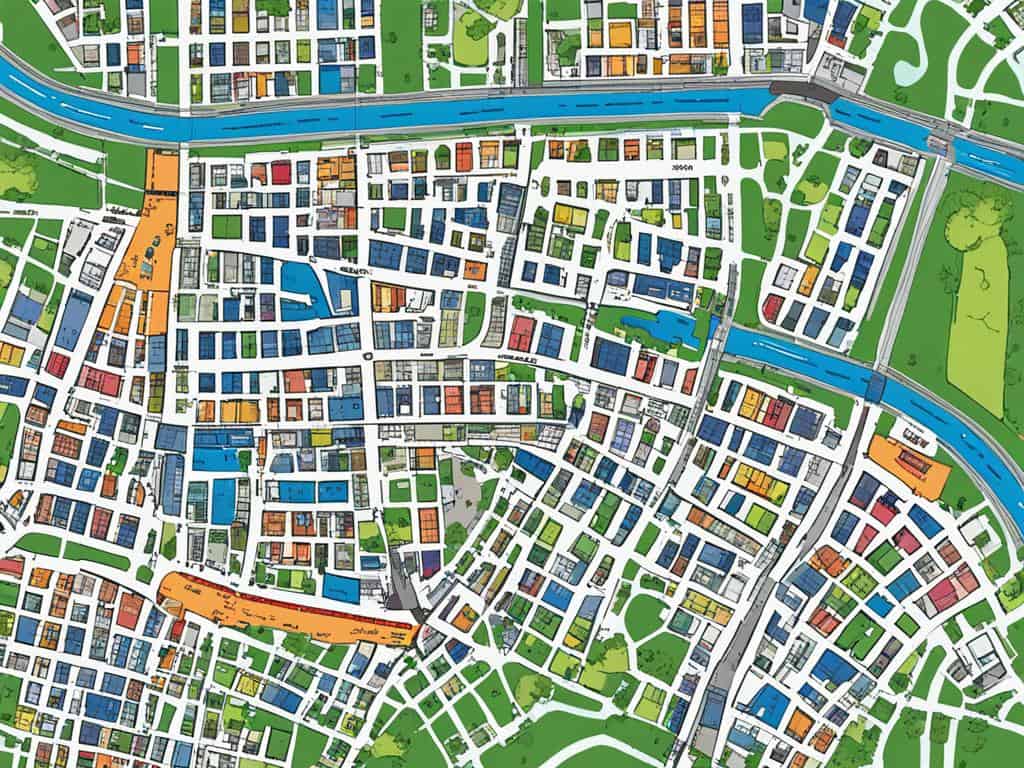
Interactive maps, such as parcel and zoning maps, can provide valuable information for navigating the Zoning Ordinance. It is essential to consult the Zoning Ordinance and seek guidance from the Planning Department to ensure compliance with zoning regulations.
Conclusion
In conclusion, navigating planning and zoning for development requires a thorough understanding of comprehensive plans, zoning ordinances, and regulations that govern land use. City officials, planning commissions, and planning departments play critical roles in shaping the future of communities and ensuring compliance with development regulations.
Comprehensive plans provide a long-term vision and goals for land use, encompassing important elements such as public facilities, parks, housing, and transportation. These plans act as guiding documents that help promote harmonious and sustainable development.
Zoning ordinances, on the other hand, outline specific regulations and requirements for different types of developments. Developers must work closely with planning departments and comply with zoning codes when submitting site plans and seeking approvals. By doing so, they contribute to the creation of safe, vibrant, and thriving environments for residents and businesses.
Overall, effective planning and zoning play a crucial role in achieving harmonious development, protecting property values, and creating a high-quality living environment. Adhering to development regulations and land use guidelines ensures that communities are well-designed, inclusive, and responsive to the needs of their residents.
FAQ
What is planning and zoning?
Planning and zoning are activities carried out by city governments to regulate land use and guide the development of a community. They involve creating comprehensive plans and zoning ordinances to ensure the orderly and harmonious growth of a city.
What is a comprehensive plan?
A comprehensive plan is a long-term document that outlines the vision and goals for land use, development, and public facilities in a city. It covers various elements such as housing, transportation, parks, and infrastructure.
What is the role of a planning commission?
A planning commission is responsible for preparing the master plan, reviewing site plans for new developments, recommending zoning amendments, and reviewing special land uses. They play a vital role in ensuring orderly growth and the provision of public services in a community.
What does the planning department do?
The planning department provides expertise and information to address community issues and priorities. They enforce zoning and property maintenance codes, collect planning and engineering fees, and ensure compliance with the city’s master plan.
What is a zoning ordinance?
A zoning ordinance is a set of regulations that govern land use and development within a city or township. It specifies requirements for different types of developments, such as office, retail, industrial, and multiple-family projects.
Source Links
- https://www.shelbytwp.org/business/planning-and-zoning
- https://www.lmc.org/resources/planning-and-zoning-101/
- https://troymi.gov/departments/planning/index.php
