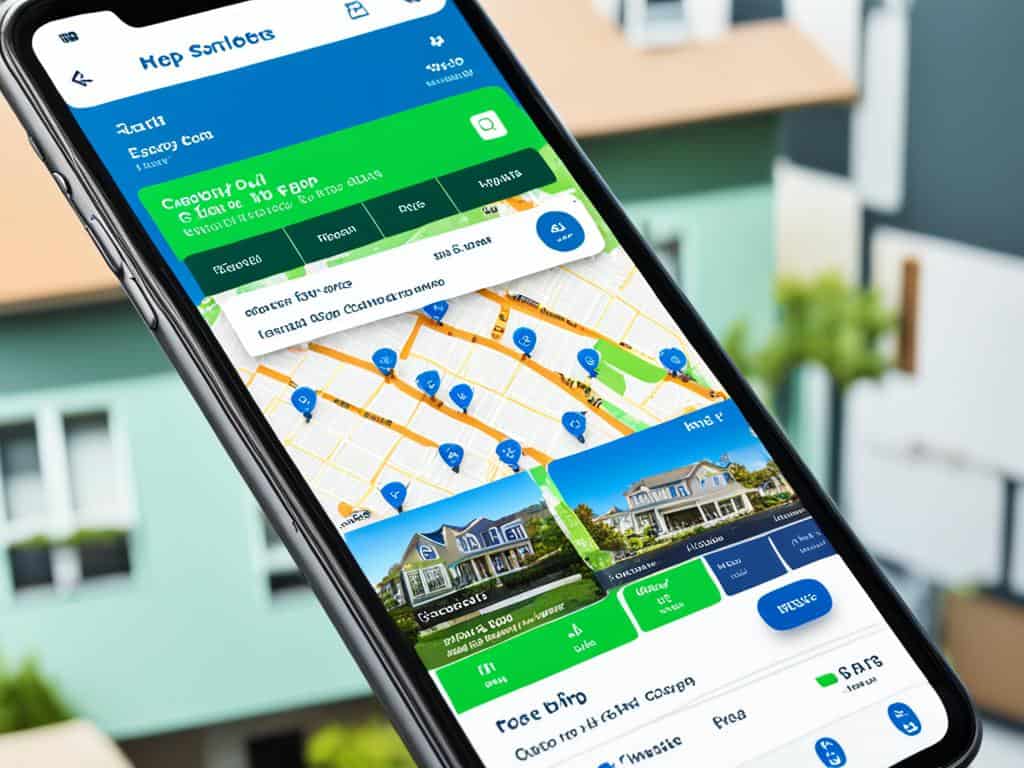
Did you know that 96% of people use online platforms for house-hunting, and 60% of them do it on their phones? The demand for real estate mobile apps is skyrocketing, shaping the future of the industry. With an investment of $13.1 billion in tech for real estate, innovative tools like eSignatures and video calls have simplified the property buying, selling, and renting process. Real estate mobile app development brings accessibility, increased reach, enhanced user experience, instant notifications, integration of advanced technologies like AR and VR, secure transactions, data analytics, paperless transactions, CRM, and a competitive edge.
Key Takeaways:
- 96% of people use online platforms for house-hunting, and 60% of them do it on their phones.
- The real estate industry has invested $13.1 billion in tech for real estate.
- Real estate mobile app development provides accessibility, increased reach, enhanced user experience, and secure transactions.
- Advanced technologies like AR and VR are integrated into real estate mobile apps.
- Data analytics, paperless transactions, CRM, and competitive advantages are offered by real estate mobile apps.
How Real Estate Mobile App Development is Transforming the Future?
Real estate mobile app development is revolutionizing the industry by offering transformative solutions to meet the evolving needs of users. The convenience and accessibility provided by mobile apps are reshaping the way people engage with the real estate market. With just a few taps on their smartphones, users can browse properties, schedule viewings, and make offers, all from the comfort of their own homes.
One of the key advantages of real estate mobile apps is the increased reach and visibility they provide for real estate agents and agencies. By leveraging these apps, agents can showcase their properties to a global audience, expanding their market reach and attracting potential buyers from different parts of the world.
The user experience is greatly enhanced through intuitive navigation, interactive property listings, and high-quality visuals. Real estate mobile apps offer advanced filtering options based on user preferences, allowing them to find properties that match their specific requirements. With just a few swipes, users can explore properties with immersive virtual tours, giving them a realistic preview of the space.
Another significant feature of real estate mobile apps is the ability to receive instant notifications about new listings and relevant updates. This ensures that users stay up-to-date with the latest opportunities and developments in the market, making it easier for them to make informed decisions.
The integration of advanced technologies like augmented reality (AR) and virtual reality (VR) further enhances the transformative power of real estate mobile app development. By leveraging AR and VR, users can experience properties in a completely immersive and interactive way, allowing them to visualize themselves in the space and make more informed decisions.
Furthermore, real estate mobile app development offers secure transactions, data analytics, paperless transactions, CRM integration, and a competitive edge for professionals in the industry. These features streamline the buying, selling, and renting process, making it more efficient and streamlined for all parties involved.
Real estate mobile app development is poised to continue transforming the future of the industry. By embracing innovation, leveraging advanced technologies, and focusing on user-centric design, real estate mobile apps have the potential to revolutionize the way we engage with real estate, providing convenience, accessibility, and a seamless user experience.

Real Estate Mobile App Types
Real estate mobile apps offer a range of options to cater to diverse needs in the market. Each type of app serves a specific purpose and provides unique benefits to users.
Realtor Connection Apps
Realtor connection apps simplify communication between realtors, tenants, and homebuyers. These apps facilitate easy access to real estate documents and reduce the burden of paperwork.
House Tracking Apps
House tracking apps make it easy to monitor available houses and apartments, simplifying property management tasks for landlords and property managers.
Smart Property Listings Apps
Smart property listings apps provide detailed information on available properties, helping users make informed decisions. They often include images, descriptions, and key features of each property.
Smart Home Finder Apps
Smart home finder apps cater to the needs of millennials by helping them find homes with advanced smart features. These apps enable users to search for properties with specific technologies like smart appliances and home automation systems.
Property Management Tools
Property management tools streamline the processes involved in managing properties. These apps allow property managers to handle tasks such as maintenance requests, rent due dates, and tenant communication more efficiently.
Home Search Apps
Home search apps make it convenient for sellers, landlords, real estate agents, tenants, and homebuyers to find suitable properties. Users can search based on location, price range, and desired amenities.
Agent Assistance Apps
Agent assistance apps simplify communication for real estate agents, automating document management and facilitating efficient listing of properties. These apps help agents stay organized and provide better customer service.
Home Valuation Tools
Home valuation tools analyze the real value of a property and predict its future worth. These tools assist sellers, landlords, real estate agents, and investors in making informed decisions about property pricing and investments.
Must-Have Real Estate App Features
In order to deliver optimal functionality, real estate mobile apps must include essential features for both clients and agents. These features enhance the user experience, provide valuable tools for property search and management, and improve communication between buyers and sellers.
For Clients:
1. User-friendly navigation: Easy-to-use interfaces ensure smooth browsing and property exploration.
2. 3D virtual tours: Immersive property viewing experiences enable clients to visualize properties remotely.
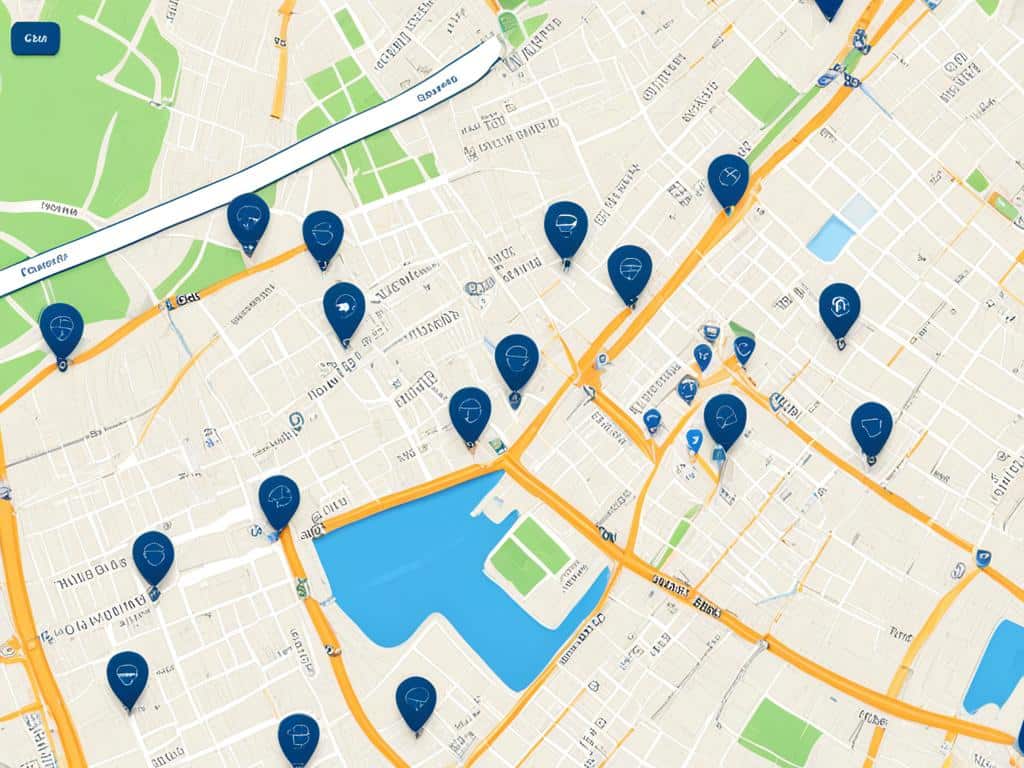
3. Advanced search: Robust search functionality with filters allows users to refine their property preferences.
4. Saved searches and favorites: The ability to save and access preferred properties simplifies the house-hunting process.
5. Real-time messaging: Instant communication features enable direct interactions with agents and sellers.
6. Property cost and mortgage calculators: Tools to estimate property costs and mortgage payments aid in financial planning.
7. Personal profiles: User profiles allow for personalized experiences and easy access to saved information.
8. Feedback systems: The option to provide feedback and ratings ensures valuable insights for agents and future clients.
For Agents:
1. Databases: Efficient organization and management of property listings and client information.
2. Analytics: Data-driven insights enable agents to track performance and optimize marketing strategies.
3. Calendar integration: Seamless integration with calendars for easy scheduling and appointment management.
4. Administrative panel: A centralized dashboard to oversee and manage property listings, inquiries, and transactions.
5. Chatbots: Automated chat services assist in answering frequently asked questions and providing quick responses.
6. Augmented reality: Integration of AR technology for virtual staging and visualizing property improvements.
7. Categories and filters: Efficient categorization and filtering options ensure streamlined property searches.
8. Interactive feedback systems: Feedback platforms for clients to share their experiences and provide testimonials.
Innovative Real Estate App Ideas
Real estate mobile app development continues to evolve, addressing the changing needs of the market. These innovative ideas enhance the user experience and provide valuable tools for property exploration and management.
Virtual Property Tours
Immerse potential buyers in property listings with virtual tours using AR or VR technologies. These immersive experiences save time and allow buyers to explore properties without physically visiting each one, enhancing their property search process.
Smart Neighborhood Explorer Apps
Inform buyers about neighborhoods with comprehensive information provided by smart neighborhood explorer apps. These apps offer insights on nearby amenities, schools, transportation options, and other factors that influence buyer decisions, helping them make informed choices.
AI-Powered Property Matching Algorithms
Recommend personalized property listings based on user preferences using AI-powered algorithms. These algorithms analyze user data to understand their requirements and provide tailored property recommendations, streamlining the property search process.
Real-Time Mortgage Calculators
Assist users in estimating monthly payments and planning budgets with real-time mortgage calculators. These tools provide instant calculations based on property prices, interest rates, and down payments, enabling users to make informed financial decisions.

Blockchain-Based Property Transactions
Ensure secure and transparent property transactions by leveraging blockchain technology. This innovation reduces fraud and increases trust by creating an immutable digital ledger of property transactions, offering a secure platform for buyers and sellers.
Home Maintenance Planner Apps
Help homeowners stay organized with home maintenance planner apps. These tools allow users to schedule and track maintenance tasks, ensuring that properties are well-maintained and preventing any potential issues.
Real-Time Market Insights Apps
Provide users with up-to-date market trends and investment opportunities through real-time market insights apps. These apps offer valuable information on property values, market fluctuations, and emerging investment opportunities, empowering users to make informed decisions.
Community Engagement Platforms
Foster a sense of community among residents by utilizing community engagement platforms. These platforms facilitate interaction, communication, and collaboration among neighbors, creating a vibrant and connected community within a specific area.
Smart Rental Management Apps
Simplify communication and streamline processes between landlords and tenants with smart rental management apps. These apps enable online rent payments, maintenance requests, and lease management, making the rental experience more efficient and hassle-free.
Environmental Impact Calculators
Promote sustainable living by considering energy efficiency and sustainable features of properties with environmental impact calculators. These tools enable users to assess the environmental impact of properties, encouraging environmentally-conscious choices.
Conclusion
The real estate industry is undergoing a significant transformation with the rise of real estate mobile app development. These apps have revolutionized how people engage with the market, providing convenient access to properties, scheduling viewings, making offers, and managing properties. The integration of advanced technologies like augmented reality (AR) and virtual reality (VR) has enhanced the user experience, offering immersive property experiences.
Real estate mobile apps not only offer convenience and accessibility but also provide secure transactions, data analytics, paperless transactions, and CRM features. These features enable professionals in the industry to streamline their processes, enhance customer satisfaction, and gain a competitive edge in the market. With the industry investing billions of dollars in technology for real estate, these apps are continuously evolving to cater to the evolving needs of users.
By embracing innovative ideas and incorporating essential features, real estate mobile app development can cater to the changing demands of users and stay ahead in the market. From virtual property tours to AI-powered property matching algorithms, these apps continue to provide new solutions that simplify the buying, selling, and renting process. As the industry continues to grow, real estate mobile app development will remain a driving force in transforming the future of real estate.
FAQ
What is real estate mobile app development?
Real estate mobile app development refers to the process of creating and designing mobile applications specifically tailored for the real estate industry. These apps provide accessibility, convenience, and innovative features that enhance the overall property buying, selling, and renting experience.
Why is real estate mobile app development important?
Real estate mobile app development is important because it transforms the future of the industry by offering increased accessibility, reach, and user experience. These apps provide instant notifications, integrate advanced technologies like AR and VR, facilitate secure transactions, offer data analytics, enable paperless transactions, and give real estate professionals a competitive edge in the market.
What types of real estate mobile apps are available?
There are various types of real estate mobile apps available to cater to different needs in the market. These include realtor connection apps, house tracking apps, smart property listings apps, smart home finder apps, property management tools, home search apps, agent assistance apps, and home valuation tools.
What are the essential features of a real estate mobile app?
Essential features of real estate mobile apps for clients include user-friendly navigation, 3D virtual tours, advanced search options, ability to save searches and favorites, real-time messaging, property cost and mortgage calculators, personal profiles, and feedback systems. For agents, essential features include databases, analytics, calendar integration, an administrative panel, chatbots, augmented reality capabilities, and categories and filters.
What are some innovative ideas in real estate mobile app development?
Innovations in real estate mobile app development include virtual property tours using AR or VR technologies, smart neighborhood explorer apps, AI-powered property matching algorithms, real-time mortgage calculators, blockchain-based property transactions, home maintenance planner apps, real-time market insights apps, community engagement platforms, smart rental management apps, and environmental impact calculators.
How do real estate mobile apps transform the way people engage with the market?
Real estate mobile apps provide convenience and accessibility, allowing users to browse properties, schedule viewings, make offers, and manage properties with ease from their smartphones. These apps also offer an enhanced user experience through the integration of advanced technologies like AR and VR, secure transactions, data analytics, paperless transactions, CRM features, and a competitive edge for professionals in the industry.
Source Links
- https://solveit.dev/blog/real-estate-app-development
- https://www.purrweb.com/blog/real-estate-mobile-app-development-how-to-make-an-app-that-users-love/
- https://www.linkedin.com/pulse/real-estate-app-development-key-features
