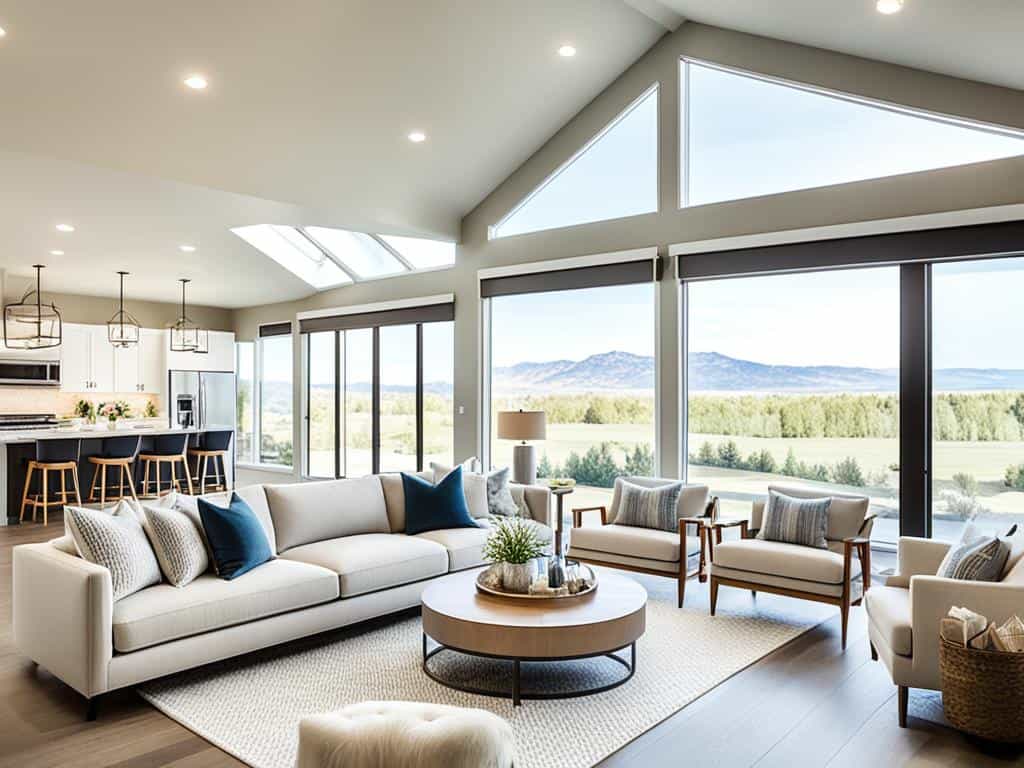
Did you know that professional real estate photography is the number one way to make your listings stand out and achieve higher sale prices in the competitive US market? High-quality photographs can make all the difference in attracting potential buyers and creating a compelling vision for them.
When it comes to real estate, first impressions matter, and great photography plays a crucial role in capturing the attention of buyers. In a market flooded with listings, stunning visuals can make your property stand out from the crowd and generate more interest and offers.
In this article, I will share essential tips for real estate photography, whether you decide to hire a professional or take on the task yourself. By implementing these tips, you can create stellar listings that leave a lasting impression on potential buyers.
Key Takeaways:
- Professional real estate photography is the most critical element of a listing marketing strategy.
- Stellar photos build excitement and influence buyers’ decisions, leading to faster sales and higher sale prices.
- When deciding between hiring a professional photographer or DIY, consider factors such as speed, quality, and cost.
- Follow essential photography tips, such as decluttering, prioritizing natural light, and planning strategic shots.
- Adhere to MLS specifications and adjust photo settings for optimal results across online platforms and printed materials.
Importance of Stellar Real Estate Photography
Stellar real estate photography is instrumental in capturing the attention of potential buyers and creating a compelling vision for them. High-quality photographs have the power to build excitement and anticipation, influencing a buyer’s decision-making process. As experts in the field suggest, professional real estate photography ranks as the most critical element of a listing marketing strategy. By opting for professional photography, listings are positioned to stand out from the competition, attract more showings, receive more offers, and achieve a higher sale price. Exceptional real estate photos provide potential buyers with a glimpse into the potential lifestyle, effectively transforming a listing into a desirable home.
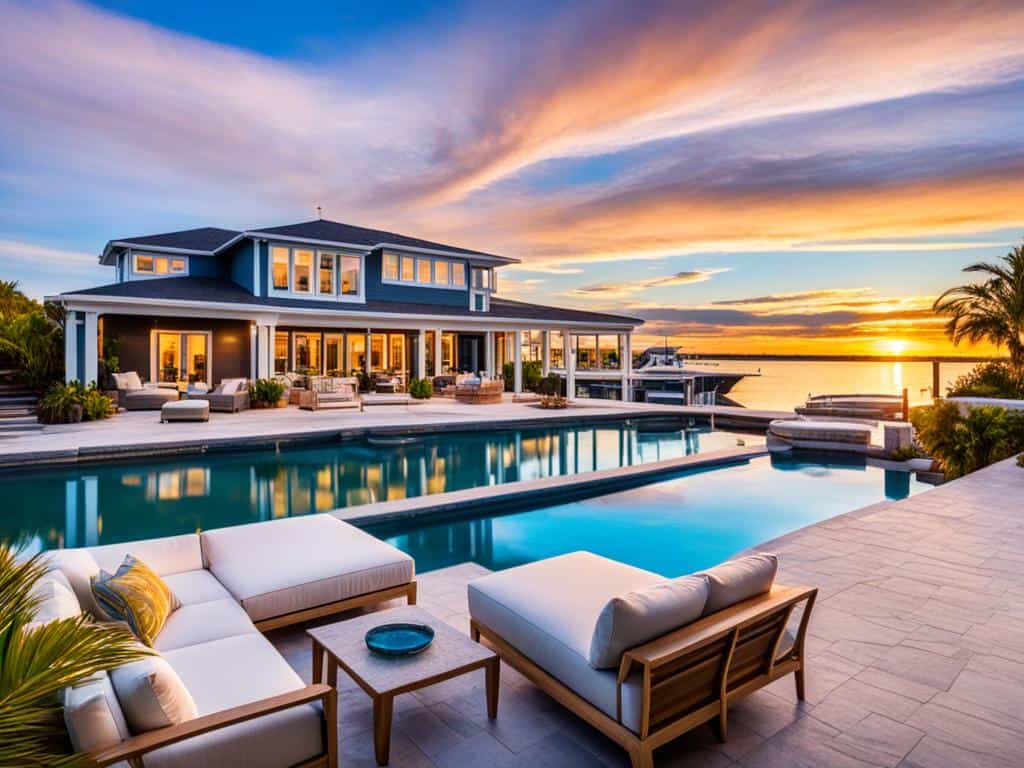
When potential buyers browse through numerous listings, it is the captivating photographs that first grab their attention. Compelling visuals help them envision themselves living in the property and create an emotional connection. Professional real estate photography showcases a property’s unique features, highlights its best qualities, and conveys its true essence. By engaging buyers from the initial stage, stunning photographs lay the foundation for a successful sale. They serve as an invitation to explore further, discover more about the property, and ultimately make an offer.
Hiring a Professional Photographer vs. DIY Photography
When it comes to real estate photography, agents face the decision of whether to hire a professional photographer or take the photographs themselves. Each option has its pros and cons that should be carefully considered before making a choice.
The Benefits of Hiring a Professional Photographer
Opting for a professional photographer offers several advantages that can greatly enhance your listings. First and foremost, professional photography can lead to faster sales. High-quality images captured by a professional can catch the eye of potential buyers and generate more interest, ultimately resulting in a quicker sale.
Another benefit is that professional photographers have the expertise and experience to make every room look amazing. They know how to utilize composition, lighting, and angles to showcase the property’s best features and create an emotional connection with buyers.
Professional photographers also have access to specialized equipment and software that can produce superior results. From high-quality cameras to advanced editing tools, these professionals have the necessary tools to capture stunning images that will make your listings stand out in the competitive real estate market.
Additionally, hiring a professional photographer means that the editing process will be taken care of by someone with a keen eye for detail. They will have the skills to enhance the images, ensuring they look their best before they are showcased to potential buyers.
The Drawbacks of Hiring a Professional Photographer
While there are undeniable benefits to hiring a professional photographer, there are also some drawbacks to consider. One potential disadvantage is the possibility of false expectations. It’s important to communicate your specific needs and expectations clearly to the photographer to avoid any misunderstandings.
Another drawback is the potential for longer wait times. Professional photographers are often in high demand, and scheduling a shoot may take longer than anticipated. If you’re on a tight timeline or need quick results, this may be a point of consideration.
The Benefits of DIY Photography
On the other hand, taking the photographs yourself can offer some advantages as well. One of the most significant benefits is cost savings. Hiring a professional photographer can be expensive, especially if you have multiple listings or a tight budget. By opting for DIY photography, you can save money that can be allocated to other important aspects of your business.
DIY photography also gives you full ownership and control over the images. This means you can capture the angles and details that you find most appealing and align them with your marketing strategy. You have the freedom to experiment and tailor the photos to your specific needs.
Additionally, taking the photos yourself can result in faster turnaround times. You no longer have to wait for a photographer’s availability or the post-production process. You can capture the images, edit them, and upload them to your listings promptly.
The Drawbacks of DIY Photography
While DIY photography has its benefits, it’s essential to consider the potential drawbacks as well. One key factor is that the quality of your photos may not match that of a professional. Professional photographers have years of experience and expertise in capturing the best shots, and this level of quality may be challenging to replicate on your own.
Another drawback is the time-consuming nature of DIY photography. As an agent, your time is valuable and better spent on other crucial tasks. DIY photography requires time for setup, shooting, editing, and organizing the images. It’s important to evaluate how much time you can dedicate to this aspect of your business and whether it’s the most effective use of your resources.
Essential Real Estate Photography Tips for Agents
When agents choose to take real estate photos themselves, there are several essential tips they should follow to achieve great results. Taking the DIY route can be a cost-effective and rewarding option, but it’s important to keep in mind a few key considerations to ensure your photos stand out and attract potential buyers.
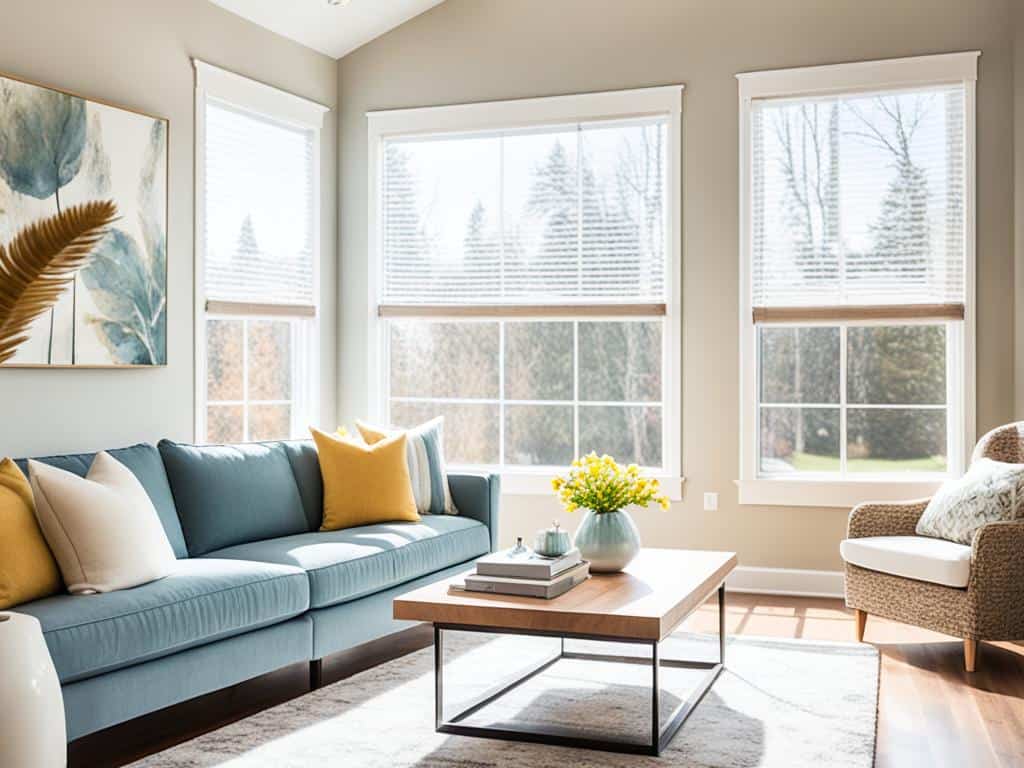
To start, removing all clutter from the property is crucial. A clean and decluttered space enhances the appeal of the property and allows potential buyers to envision themselves living there. Additionally, prioritizing natural light by opening curtains and blinds can make a significant difference in the quality of your photographs. Natural light adds warmth and depth to the images, making them more inviting and appealing.
Striking the right height balance is another important aspect to consider. Experiment with different angles and heights to capture the property’s best features and showcase its unique selling points. Planning your shot list in advance will help you stay organized and ensure you capture all the essential shots that highlight the property’s key areas.
Staging each room is crucial to create a visually pleasing and aspirational atmosphere. Focus on arranging furniture and decor strategically, highlighting the room’s purpose and creating a sense of space. Paying attention to the “rule of three” can be a helpful guideline – try to incorporate three focal points in each shot to create balance and visual interest.
When it comes to post-processing, consider the white balance of your photos. Adjusting the white balance can greatly enhance the colors and overall appeal of your images. Additionally, utilizing photo editing apps or software can help you fine-tune the contrast, brightness, and other elements for optimal results. Remember to edit the photos subtly, avoiding overly saturated or unrealistic effects.
By following these essential real estate photography tips, agents can achieve great results in their DIY photography endeavors. Capturing clean and appealing images, prioritizing natural light, striking the right height balance, staging each room effectively, and utilizing photo editing can all contribute to creating high-quality photos that showcase the property’s best features.
MLS Specifications and Printing Requirements for Real Estate Photos
When preparing real estate photos for MLS upload, I understand the importance of adhering to certain specifications. MLS, which stands for Multiple Listing Service, has established rules and standards that dictate how property listings should be presented.
To ensure compliance, I make sure all my real estate photos are in the correct file format, which is JPEG. This format ensures that the photos are universally accessible and compatible with various platforms.
Additionally, I pay attention to the resolution of my photos. The MLS recommends a minimum resolution of 640×480 pixels, but I strive to go above and beyond by aiming for a photo size of 1024×768 pixels or larger. This ensures that the photos are clear, detailed, and showcase the property in the best possible light.
Another crucial aspect is to avoid including any personal information or branding in the photos. This allows potential buyers to focus solely on the property without any distractions or bias.
When it comes to printing real estate photos, I understand the importance of adjusting color, brightness, and contrast levels. These adjustments ensure that the printed photos accurately represent the property and create an appealing visual experience for potential buyers.
To achieve the best results in printing, I utilize the appropriate file formats. I use JPEG format for printing photos and PDF format for any accompanying documents. This helps maintain the quality and clarity of the photos while ensuring compatibility with printing platforms.
Additionally, I pay attention to the resolution for printing. A resolution of 300 pixels per inch (PPI) is considered standard for high-quality prints. By following this best practice, I can ensure that my printed real estate photos are sharp, detailed, and visually impressive.
By adhering to MLS specifications for online uploads and following printing requirements, I can guarantee that my real estate photos meet high-quality standards in both digital and physical formats. This attention to detail helps me effectively market and showcase properties, ultimately leading to successful sales in the highly competitive real estate market.
Conclusion
Real estate photography is a crucial element in creating exceptional listings and capturing the attention of potential buyers. Whether you choose to hire a professional photographer or take the DIY route, following essential tips can lead to stellar results. By understanding the importance of compelling visuals, considering the pros and cons of professional versus DIY photography, and implementing practical photography tips, you can elevate your listings in the highly competitive US market.
Adhering to MLS specifications and understanding printing requirements ensure that your real estate photos are optimized for online platforms and printed materials. Paying attention to details like file formats, resolutions, and avoidance of personal information or branding in photos will ensure that your listings shine across multiple mediums.
Investing time and effort into mastering the art of real estate photography can make all the difference in the success of your listings. By capturing the best angles, staging each room effectively, and utilizing photo editing apps to enhance the quality, you can make your listings stand out and achieve higher success in the real estate market.
FAQ
Why is real estate photography important for creating stellar listings?
Real estate photography plays a crucial role in capturing the attention of potential buyers and creating a compelling vision for them. High-quality photographs build excitement, anticipation, and influence a buyer’s decision. Professional real estate photography is essential in making listings stand out and achieve higher sale prices.
Should I hire a professional photographer or take real estate photos myself?
The choice between hiring a professional photographer or DIY photography depends on several factors. Hiring a professional offers advantages such as faster sales and specialized equipment, while DIY photography can provide cost savings and image ownership. Agents should carefully consider the pros and cons before making a decision.
What are some essential tips for agents who choose to take real estate photos themselves?
Agents should follow several essential tips to achieve great results when taking real estate photos themselves. These tips include removing clutter, prioritizing natural light, striking the right height balance, planning the shot list in advance, staging each room, and paying attention to the “rule of three.” Agents should also consider white balance and utilize photo editing apps for optimal results.
What specifications should real estate photos adhere to for MLS upload?
When preparing real estate photos for MLS upload, agents should ensure that their photos are in the correct file format (JPEG), have a suitable resolution (at least 640×480 pixels), and meet the recommended photo size (1024×768 pixels or larger). It is also important to avoid including personal information or branding in the photos.
How should real estate photos be prepared for printing?
When printing real estate photos, agents need to adjust color, brightness, and contrast levels for the best results. Utilizing the correct file formats (JPEG for photos, PDF for documents), appropriate resolution (300 PPI for printing), and following best practices will result in high-quality photos across multiple mediums.
How can mastering real estate photography benefit agents in the market?
By investing time and effort into mastering real estate photography, agents can make their listings stand out and achieve higher success in the real estate market. Compelling visuals and high-quality photos are crucial for creating exceptional listings and capturing the attention of potential buyers.
Source Links
- https://www.followupboss.com/blog/real-estate-photography
- https://www.renthop.com/blog/5-tips-for-taking-stellar-photos-of-your-apartment/
- https://www.photoup.net/learn/how-to-prepare-your-real-estate-photos-for-mls-and-printing
